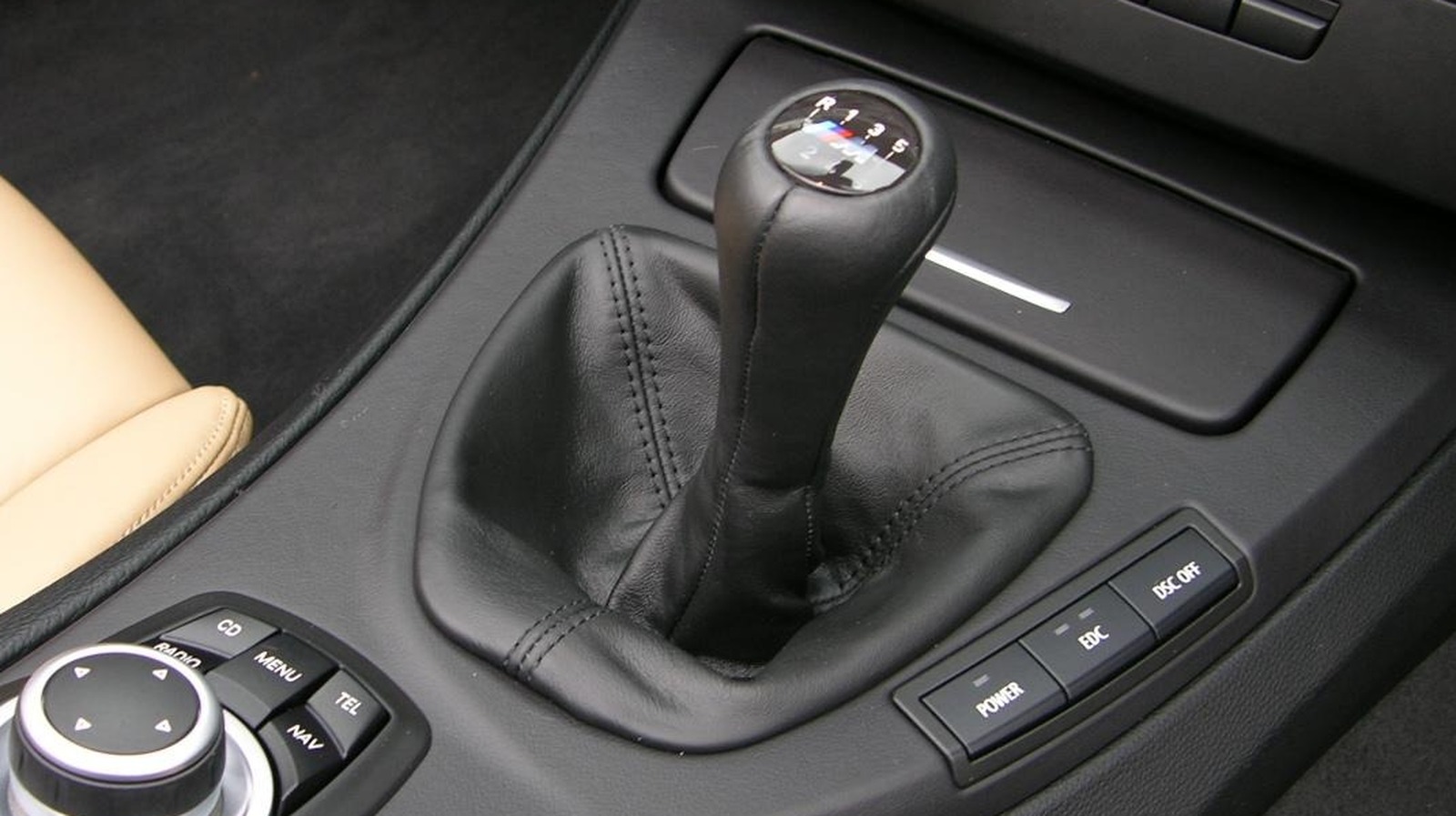
Manual transmissions remain alive in enthusiast circles, and learning to drive stick shift is becoming a deliberate choice rather than a necessity. Driver's education schools across the United States now offer dedicated manual transmission instruction, recognizing demand from gearheads who want to unlock access to some of the most engaging performance cars on the market.
Many of the best driver's cars still come exclusively with three-pedal manuals. Porsche, BMW M, and various Japanese sports cars reward clutch control and heel-toe downshifting with sharper responses and deeper engagement than their automatic counterparts. The skill gap matters here. A driver who cannot operate a stick shift eliminates entire segments of used car inventory and new performance options.
Dedicated manual transmission driving schools operate in major metro areas and enthusiast hubs. These programs typically run between half-day and multi-day formats, teaching clutch bite point identification, smooth gear changes, hill starts, and rev-matching techniques. Instructors emphasize that manual operation requires active participation. Your left foot controls the clutch. Your right manages throttle and brake. Your hands coordinate steering while your mind processes engine RPM and road speed simultaneously.
Traditional driving schools and performance driving centers also offer manual instruction as part of advanced courses. Some high-performance driving experiences at racetracks incorporate manual cars into curricula, combining stick shift education with road course fundamentals.
Private instruction remains another option. Local mechanics or experienced drivers often offer one-on-one coaching, sometimes cheaper and more flexible than formal schools.
The accessibility question has shifted. In the 1980s and 1990s, learning manual transmission was unavoidable. Today, it represents a deliberate investment in driving skills. Anyone serious about performance cars, classic vehicle restoration, or international travel should seek out instruction. The muscle memory develops quickly with consistent practice, but proper technique from the start prevents bad habits that become hard to