# The Golden Eras of Automotive Design and Performance
The automotive industry has produced standout model years across different eras, each defined by technological breakthroughs, design excellence, or performance milestones that shaped how we drive today.
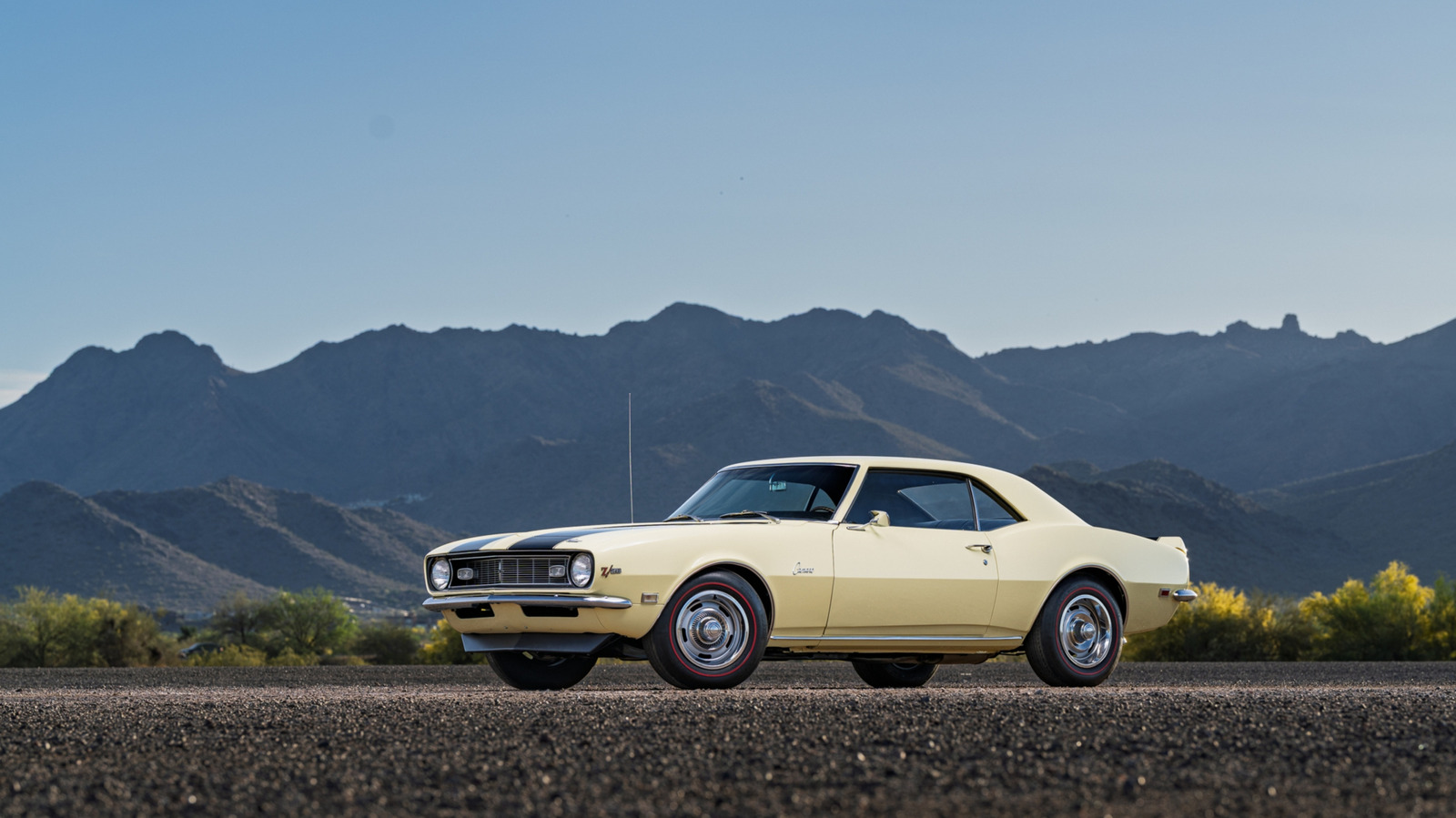
The 1960s and early 1970s represent a peak for enthusiasts. Muscle cars like the Dodge Charger, Plymouth Road Runner, and Chevrolet Chevelle hit their stride with raw power and affordable pricing. These machines delivered authentic performance without electronic complexity. The era's design language remained bold and purposeful, lacking the bloat that later decades introduced.
The late 1980s and early 1990s marked another turning point. Japanese manufacturers perfected the recipe for reliable, efficient vehicles. The Honda Civic and Toyota Corolla became benchmarks for build quality and longevity. Mercedes-Benz and BMW refined their luxury formulas. Meanwhile, sports cars like the Mazda MX-5 Miata proved you didn't need massive horsepower for driving satisfaction.
The 2000s witnessed a renaissance in vehicle dynamics. The Porsche 911 Carrera, BMW M3, and Cadillac CTS-V demonstrated that American and European manufacturers could compete on handling and precision. Trucks evolved too. The Ford F-150 and Chevrolet Silverado gained capability while improving comfort.
Recent years brought the EV revolution. The Tesla Model 3 and Model Y reset expectations for electric performance and range. Traditional automakers responded with credible contenders like the Hyundai Ioniq 6 and BMW i4, proving electric platforms could deliver genuine driving pleasure alongside practicality.
What defines a "best year" often depends on personal priority. Horsepower hunters prefer the muscle car era. Reliability seekers point to 1990s