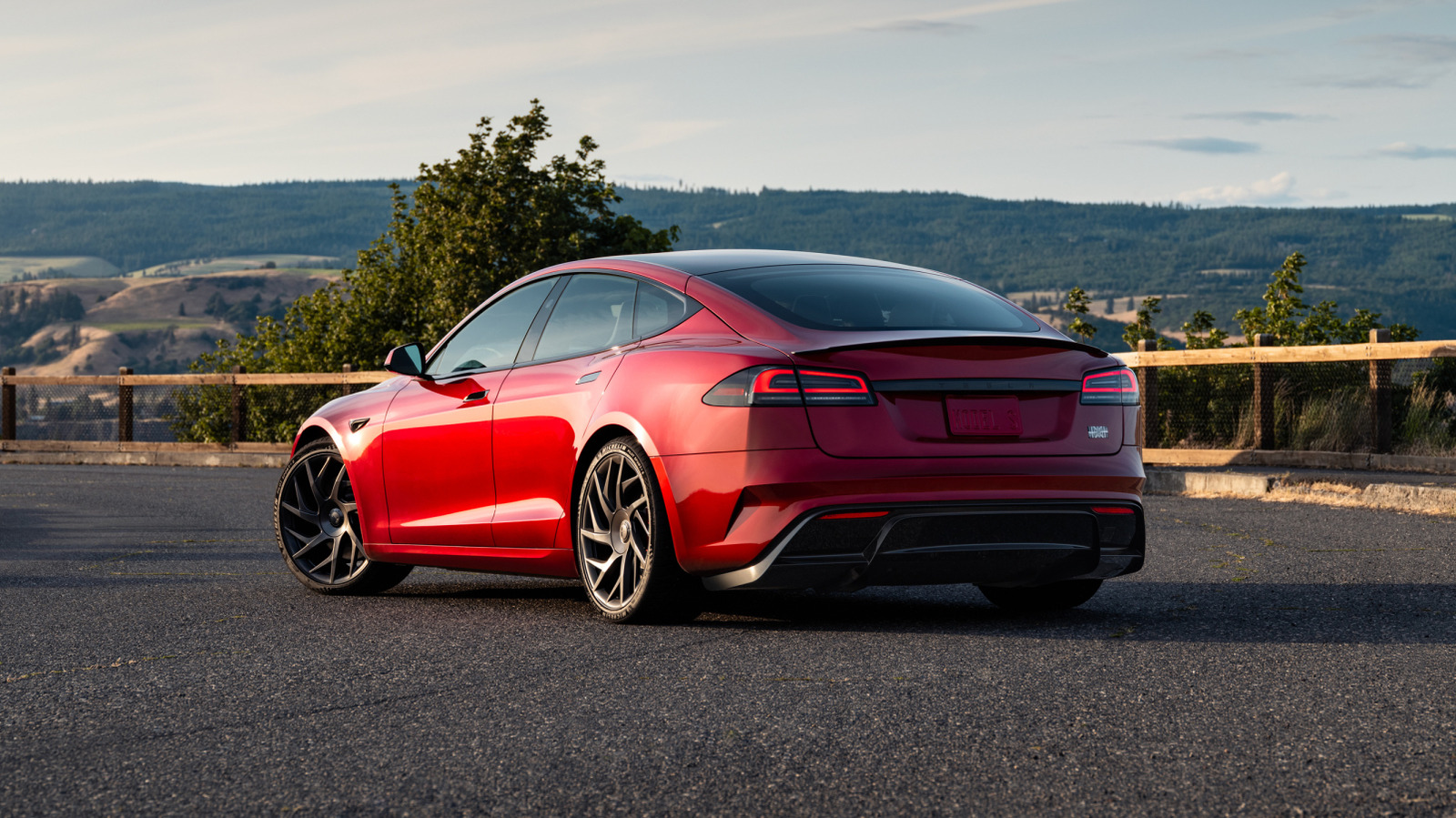
Tesla's 2021 Model S has lost roughly 50 percent of its original value over five years, reflecting broader depreciation trends that plague the EV market. A base Model S that cost around $75,000 in 2021 now fetches approximately $35,000 to $40,000 on the used market, depending on mileage and condition.
The steep decline stems from several converging factors. Federal tax credits and state incentives that subsidized new EV purchases disappear on the used market, immediately widening the price gap between new and used vehicles. Battery degradation concerns haunt buyers, even though Tesla's packs hold up better than competitors. The 2021 Model S also faces intensified competition from newer Tesla models and rivals like the Lucid Air and BMW i7, which now offer comparable or superior technology at lower entry prices.
Range anxiety remains a psychological barrier for used EV shoppers. A 2021 Model S with 60,000 miles sits well within acceptable battery health parameters—typically retaining 90 percent capacity—but perception often outpaces reality. Second-hand buyers fixate on degradation narratives rather than real-world data.
Supply dynamics shifted dramatically. Tesla dropped prices aggressively in early 2023, undercutting used inventory valuations overnight. A certified pre-owned 2021 Model S now competes directly with clearance-priced new models, crushing resale prospects. Fleet depreciation accelerated when corporate buyers and rental agencies flooded auctions with off-lease vehicles.
The Model S's five-year timeline also captures Tesla's rapid iteration cycle. The 2021 refresh introduced the yoke steering wheel and interior redesign, but 2024 models now feature hardware improvements and refined software. Buyers shopping used often skip the 2021-2022 generation entirely for newer