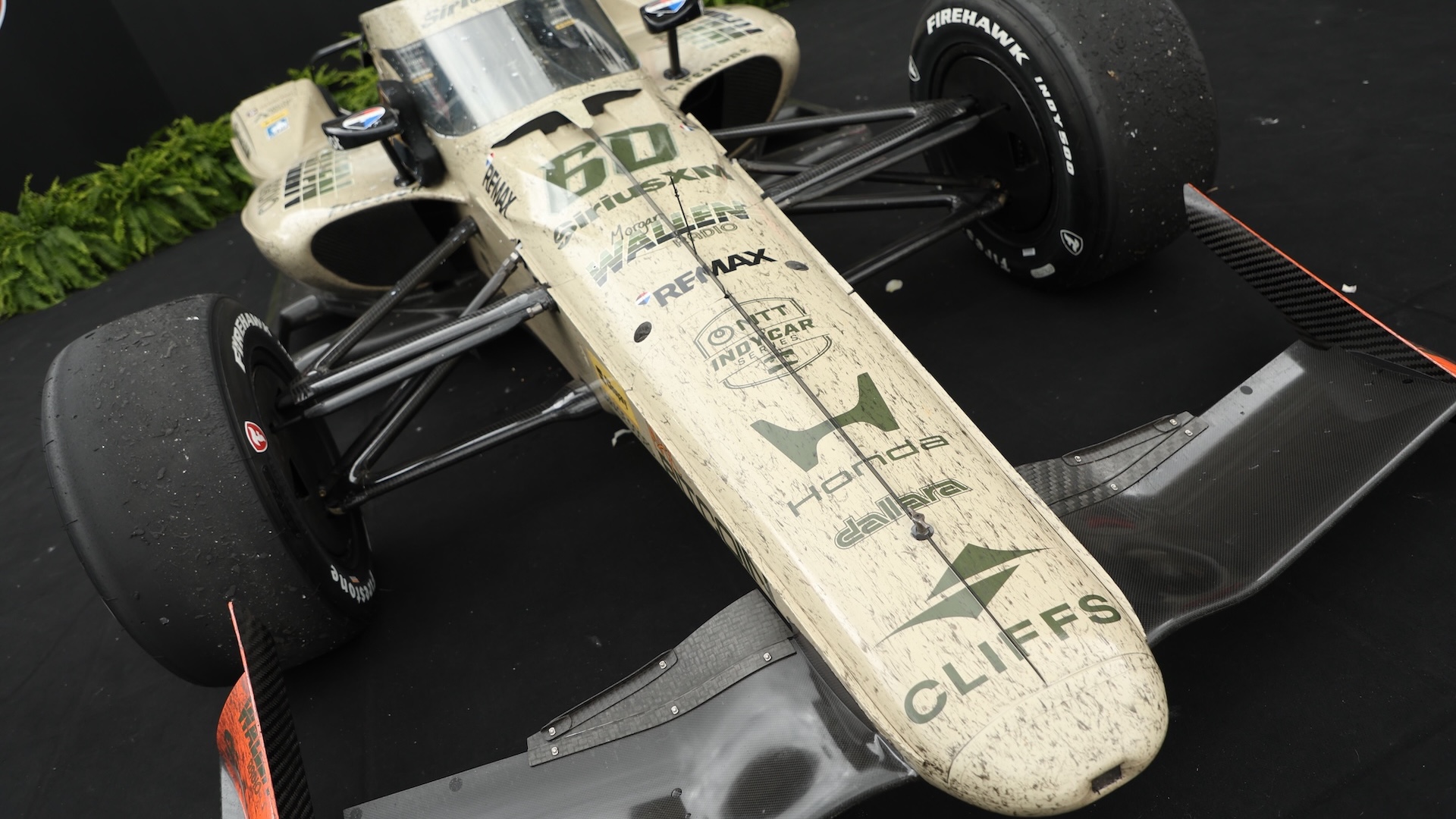
Honda views input on IndyCar's 2028 technical regulations as essential to its continued participation in the series. While IndyCar retains final approval authority, the Japanese manufacturer and Chevrolet are now positioned to shape the direction of upcoming engine and chassis specifications.
The stakes matter considerably for Honda's motorsport strategy. IndyCar represents a showcase platform for Honda's engineering prowess, and exclusion from regulation-setting discussions historically signals manufacturer dissatisfaction or exit planning. By securing a voice at the table, Honda ensures its interests align with the series' technical direction, avoiding costly mid-cycle surprises that could make competition economically unfeasible.
IndyCar faces competing demands from its powerplant suppliers. Chevrolet and Honda both invest substantially in engine development programs for the Indy 500 and the broader championship. New regulations in 2028 will shape these programs' viability for the next competitive cycle. Manufacturers want clarity on hybrid systems, power units, reliability targets, and development costs before committing resources.
The statement that IndyCar retains "final say" suggests the sanctioning body plans to avoid repeating past regulation cycles where manufacturer demands conflicted with competitive balance or cost containment. By inviting manufacturer input early, IndyCar theoretically creates collaborative outcomes rather than unilateral mandates that spark departure threats.
Honda's emphasis on this arrangement reflects deeper motorsport economics. Manufacturers evaluate series participation based on brand relevance, competitive opportunity, and budget discipline. Formula 1 and other top-tier series grant manufacturers substantial regulatory influence through technical committees precisely because their withdrawal destabilizes entire series. IndyCar, operating at smaller scale, cannot afford to lose either Honda or Chevrolet.
The 2028 timeline provides meaningful runway for technical development and production preparation. Both manufacturers can begin internal planning once regulations solidify. This contrasts sharply with rushed