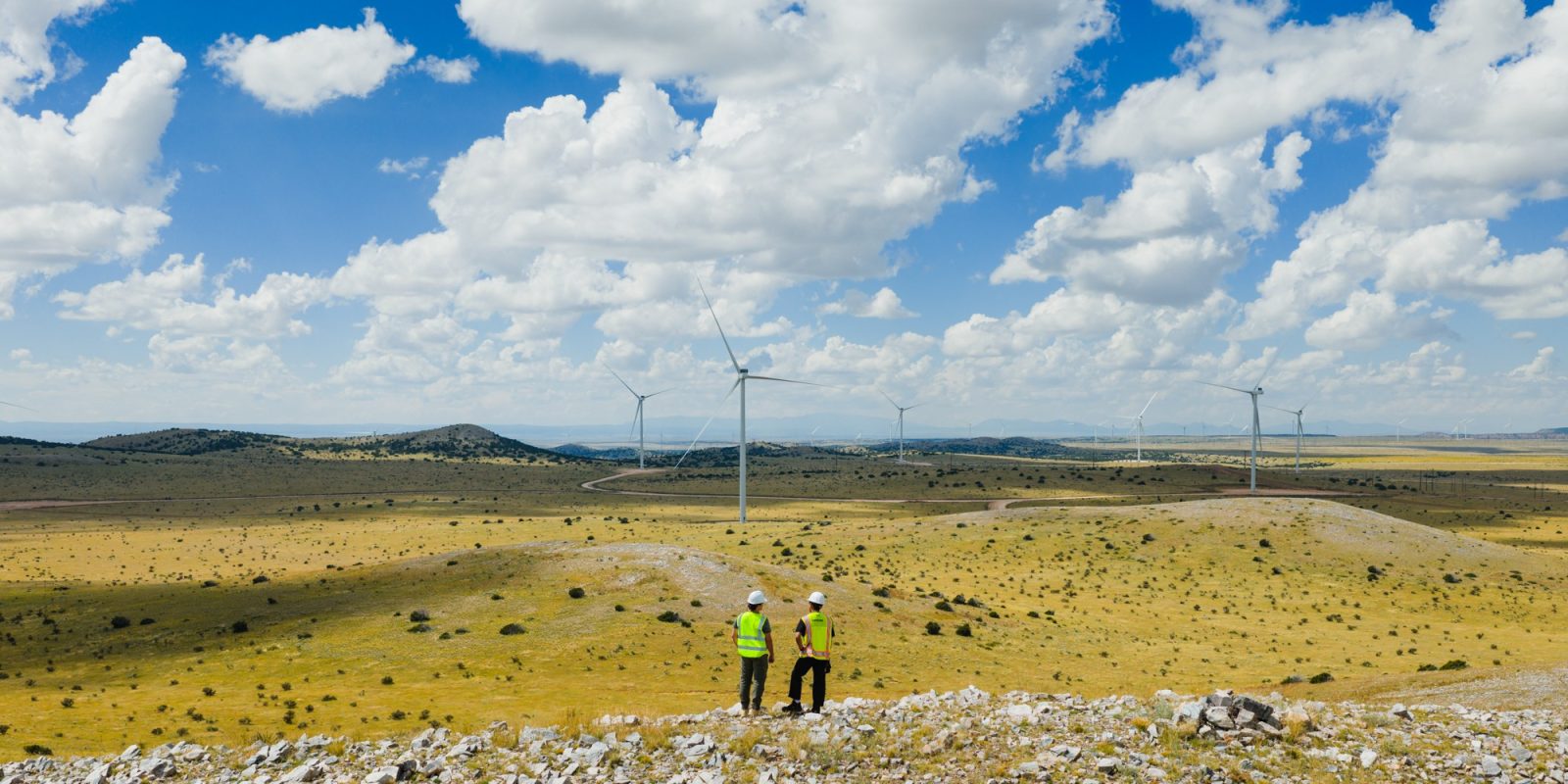
Wind and solar generation surpassed natural gas for the first time ever during April 2026, marking a watershed moment in global energy transition. The milestone reflects years of declining renewable costs and accelerating deployment across every continent.
This shift carries real weight for the automotive industry. Carmakers depend on grid composition to justify EV adoption claims. A grid powered increasingly by wind and solar strengthens the environmental case for battery electric vehicles over combustion engines. Every new EV charged on a cleaner grid delivers tangible emissions reductions that marketing teams can actually tout.
The energy milestone also signals momentum in battery manufacturing buildout. Renewable-heavy grids require grid-scale storage solutions, driving investment in battery technology that overlaps directly with EV battery development. Companies racing to scale lithium-ion production benefit from shared supply chains and manufacturing expertise.
Automakers already pricing their EV strategies around continued grid decarbonization now have validation. Tesla, Volkswagen, BMW, and Ford all built long-term electrification plans assuming renewables would dominate generation within the next decade. April 2026 proves that timeline is compressing faster than skeptics predicted.
Natural gas generation faced structural headwinds. Coal retirements accelerated. Pipeline constraints limited new gas infrastructure investment. Renewable capacity additions outpaced any new gas capacity. The crossover became inevitable once wind and solar hit price parity with fossil fuels.
For EV buyers, this matters operationally. Charging an EV in a grid powered by renewables rather than gas cuts the vehicle's lifetime emissions profile by 40-60 percent compared to gas-powered alternatives. As more regions hit April 2026-style renewable thresholds, the cost-benefit analysis for going electric strengthens.
Traditional automakers banking on hybrid technology as a bridge strategy now face faster-than-expected stranding risks. Pure EV platforms become