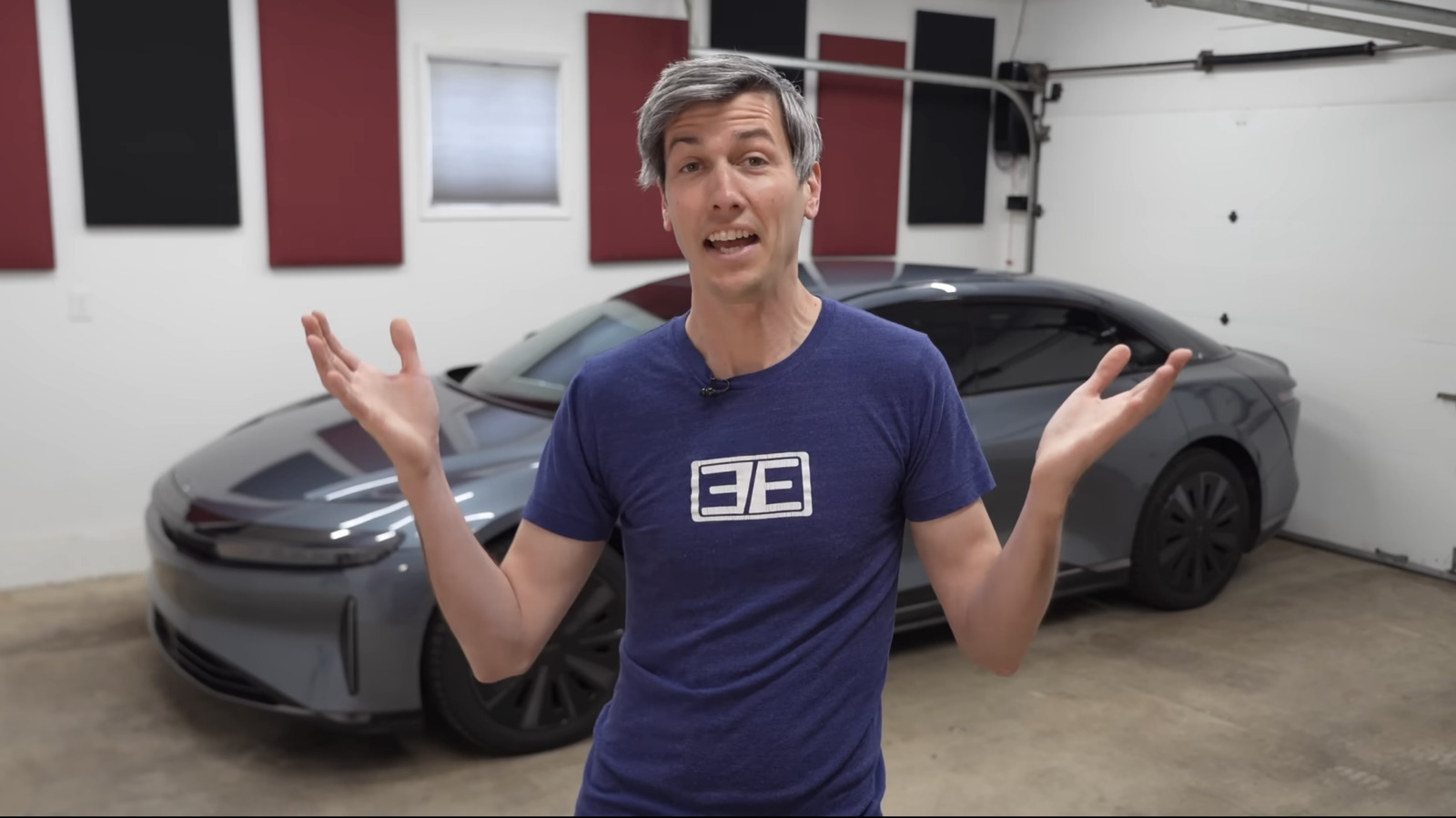
Lucid has bought back the Air sedan owned by Engineering Explained's Jason Fenske after repeated software and hardware failures plagued the vehicle during ownership. Fenske, a prominent automotive YouTuber with millions of subscribers, documented a weekend trip where numerous systems malfunctioned simultaneously, pushing him to request the buyback.
The specific failures aren't detailed in available reports, but Fenske's decision signals deeper quality control issues within Lucid's software architecture. The Air, positioned as Lucid's flagship sedan competing with Tesla's Model S and BMW's i7, carries a starting price near $70,000 and promises advanced autonomous driving capabilities and luxury features. When those systems fail en masse, the value proposition collapses instantly.
This incident matters because Lucid has struggled with production delays and software stability since launching the Air in 2021. The company has burned through cash while ramping production to just thousands of vehicles annually, far below targets. Quality problems like Fenske experienced undermine customer confidence at a critical moment when Lucid needs positive press and strong sales momentum.
For context, luxury EV buyers accept premium pricing partly because they expect flawless technology integration. Tesla's Model S launched with software rough edges but improved rapidly through updates. Lucid hasn't demonstrated the same execution discipline. Each high-profile quality failure ripples through social media and automotive forums, influencing purchase decisions among early adopters who drive brand perception.
Fenske's buyback request represents more than one customer's frustration. It reflects systemic issues that Lucid must solve before scaling beyond ultra-wealthy early adopters. The company faces mounting pressure from both legacy automakers launching luxury EVs and Tesla's continued market dominance. Without reliable software and hardware integration, Lucid's technological differentiation becomes a liability rather than an asset. The buyback removes a vocal critic from ownership, but it doesn't