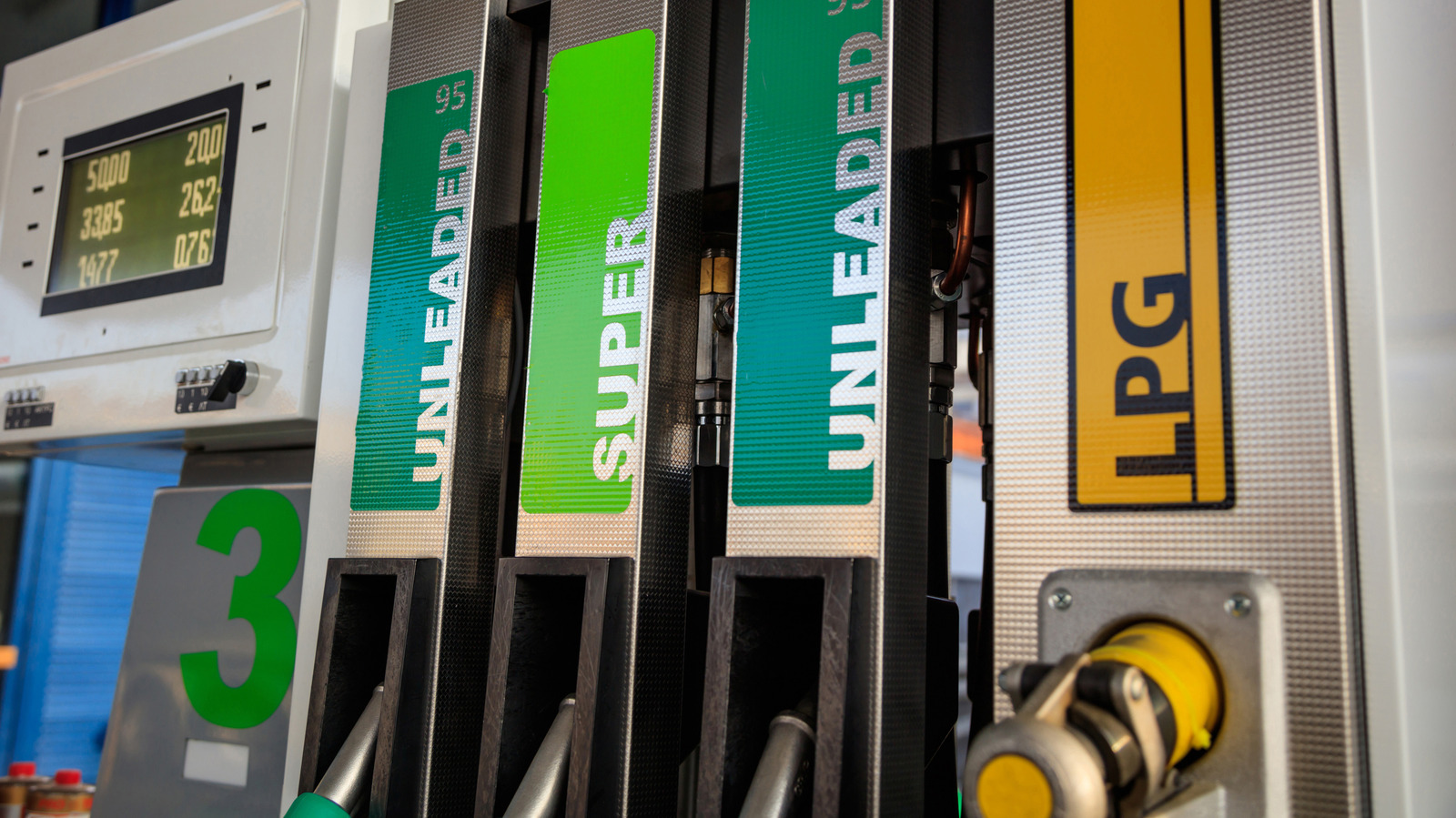
Propane offers real advantages over gasoline and diesel. It costs less at the pump and produces fewer emissions when burned. Yet it remains a niche fuel despite these benefits.
The barriers are infrastructure, engineering, and consumer behavior. Propane lacks the refueling network that gasoline enjoys. A driver cannot simply fill up at any corner gas station. This chicken-and-egg problem discourages manufacturers from building propane vehicles and discourages consumers from buying them.
Storage also complicates matters. Propane requires pressurized tanks, which take up trunk space and add weight. Gasoline sits safely in conventional tanks with minimal engineering burden. Automakers resist redesigning vehicles around propane infrastructure.
Cost presents another wrinkle. While propane fuel itself costs less per gallon, the vehicles that run on it often cost more upfront. Converting an existing gasoline engine to propane, or building one from scratch, adds expense that buyers must absorb. The payback period stretches years, and most owners trade vehicles before recouping the investment.
Fleet operators get propane. School districts, delivery services, and taxi companies run propane vehicles because high annual mileage justifies the conversion costs. They control refueling at depots. These operators represent the bulk of propane vehicle demand in North America.
Regulatory momentum favors electricity now. Government mandates push toward zero-emission vehicles, not cleaner fossil fuels. Tesla, Ford, and General Motors invest billions in battery technology and EV platforms. Propane languishes as yesterday's compromise.
Consumer psychology matters too. Drivers understand gasoline. They trust it. Propane feels exotic, risky, and unfamiliar. Marketing propane vehicles requires education and trust-building that manufacturers view as expensive and uncertain.
Propane remains viable for commercial fleets with predictable routes and controlled fueling.