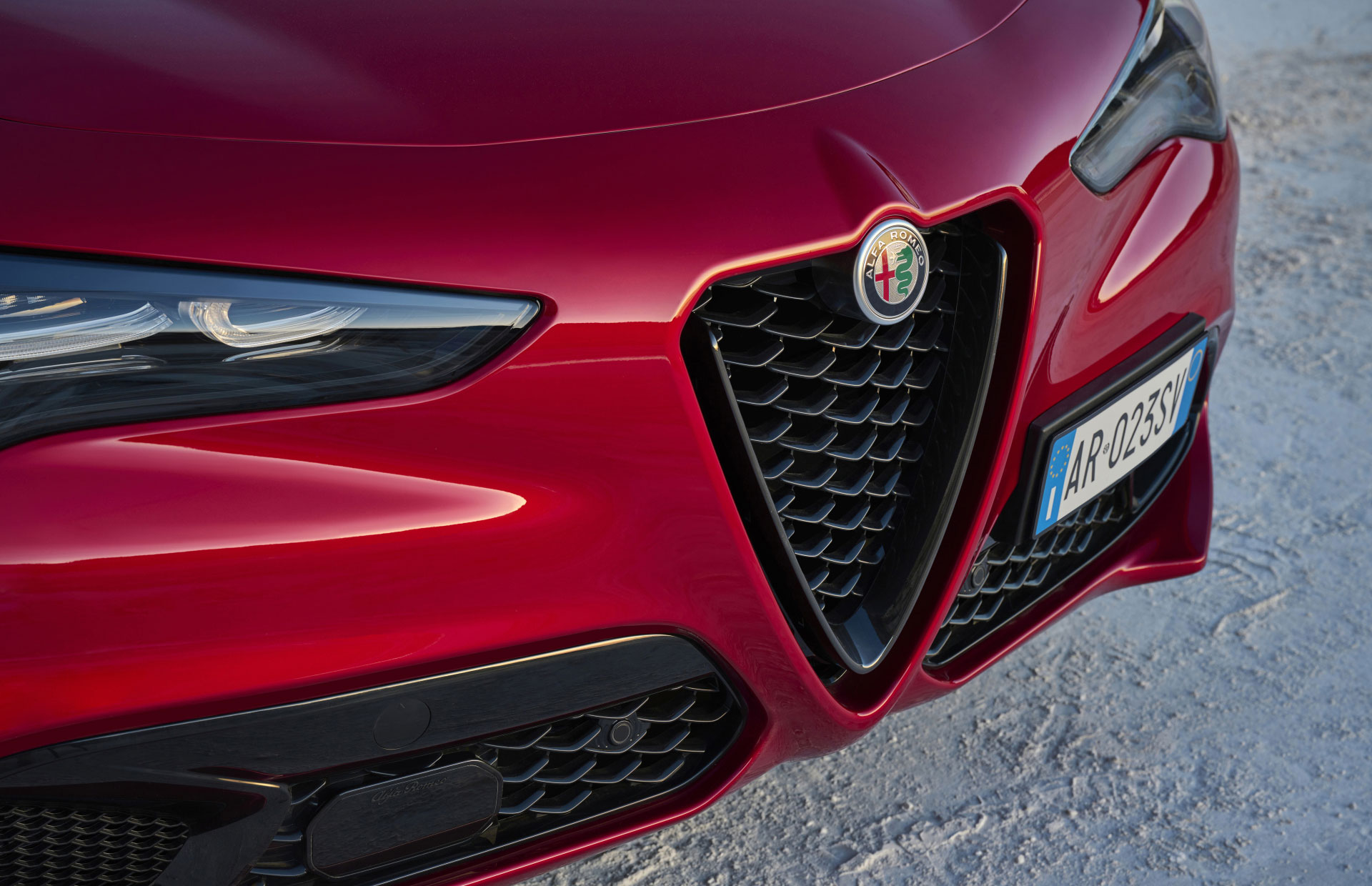
Stellantis has laid out a revival strategy for Alfa Romeo centered on a new C-segment SUV built on the STLA M platform. The vehicle will launch under the brand's Fastlane 2030 plan and feature multiple powertrain options.
Production takes place in Italy, reinforcing Stellantis' commitment to domestic manufacturing for the historic brand. The STLA M platform underpins mid-size vehicles across the Stellantis portfolio, offering flexibility for battery-electric and internal combustion engine configurations. Multi-energy powertrains mean buyers will have choices between fully electric, hybrid, and conventional gasoline options, a pragmatic approach given the uncertain pace of electrification adoption worldwide.
The C-SUV targets the hottest segment in the market. Competitors like the BMW X3, Mercedes-Benz GLC, and Audi Q4 dominate this space, and the new Alfa Romeo entry positions the brand to reclaim lost volume. Alfa Romeo has struggled in recent years, particularly in markets like the United States where the brand exited entirely. This launch signals Stellantis intends to rebuild Alfa Romeo's presence, starting with a vehicle class consumers actually want.
Italian production matters symbolically and strategically. Alfa Romeo carries weight as a heritage brand, and manufacturing in Italy reinforces authenticity and craftsmanship messaging. It also supports Stellantis' European factory footprint amid shifts toward electrification and regional supply chains.
The Fastlane 2030 plan reflects Stellantis' broader strategy under CEO Carlos Tavares. Rather than rushing all-electric platforms across every nameplate, the company is adopting measured electrification timelines while maintaining combustion and hybrid options for brands where premium positioning and customer preference demand flexibility. Alfa Romeo particularly benefits from this approach, as the brand's buyers tend