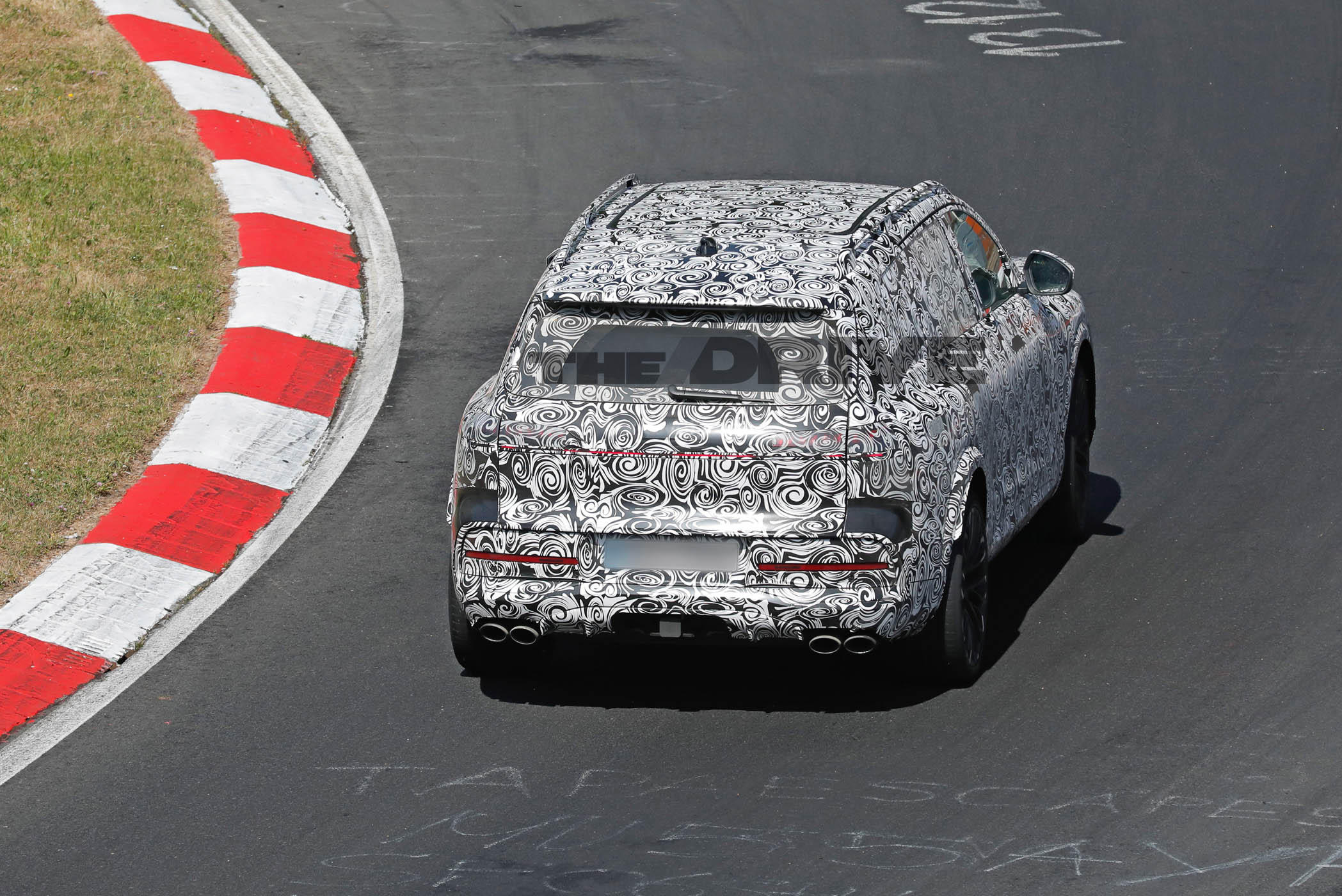
Audi CEO Gernot Dollner confirmed the automaker will retain V8 engines in its largest SUVs despite the brand's shift toward electrification across smaller models. The strategy reflects Audi's bifurcated approach to powertrain technology as it navigates the transition to electric vehicles.
Dollner's comments signal that performance-oriented flagships like the SQ8 and upcoming RS Q8 variants will keep their traditional eight-cylinder engines. Meanwhile, models such as the RS5 sedan and coupe will transition to electrified powertrains or smaller displacement engines paired with hybrid systems. This tiered strategy allows Audi to maintain its performance credentials in high-margin luxury segments while meeting emissions regulations through volume electrification in core product lines.
The V8's survival in Audi's lineup mirrors broader industry dynamics. Porsche and Mercedes-AMG have similarly preserved large-displacement engines in their most exclusive models, where customers prioritize visceral driving dynamics and heritage over efficiency. These vehicles command price premiums that justify the continued engineering investment required to meet future emissions standards.
Audi faces pressure from both regulatory bodies and shareholders to reduce its carbon footprint. The company's broader electrification roadmap targets complete EV lineups by 2026 in Europe, with several models discontinued entirely. The RS5, historically powered by a 2.9-liter twin-turbo V6, represents the company's willingness to sacrifice traditional performance formulas for compliance and efficiency in more accessible segments.
The V8's future at Audi depends on market demand and regulatory flexibility. Luxury buyers of seven-figure SUVs tolerate higher fuel consumption and stricter emissions control systems. Audi leverages advanced catalytic converters, particulate filters, and synthetic fuels to reduce the environmental impact of remaining combustion engines.
Doll