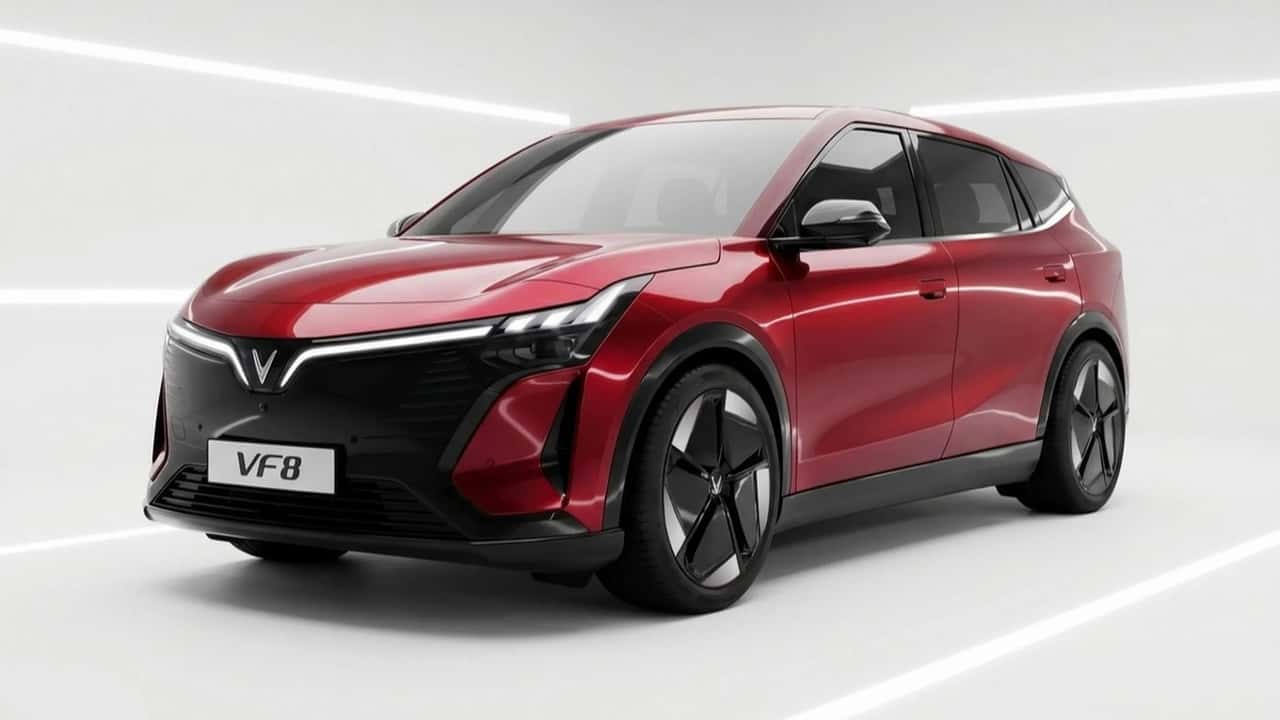
VinFast's second-generation VF 8 arrives with substantial improvements after the first model stumbled despite aggressive pricing. The Vietnamese automaker addressed critical weaknesses that plagued its initial offering, trading breadth for refinement.
The original VF 8 entered markets with promise. VinFast undercut competitors on price, but quality issues, interior materials, and software glitches sidelined momentum. Buyers wanted more than low cost. They demanded durability, intuitive controls, and the feel of a premium product.
The redesigned VF 8 shrinks in some ways. It carries less excess complexity and fewer feature overloads that consumers didn't value. This stripped-down philosophy mirrors what Tesla proved effective. Strip away distractions. Nail the fundamentals.
What matters now. Build quality improves noticeably. The cabin uses better materials and assembly practices. VinFast engineered battery systems with longer warranties and better thermal management, addressing reliability complaints from generation one. The infotainment system runs faster and responds more intuitively.
Performance gets modest tweaks. Motor outputs remain competitive within the compact electric SUV class, delivering adequate acceleration and range for daily driving. Range estimates stretch further thanks to efficiency gains and larger battery pack options.
Pricing remains VinFast's weapon. The new VF 8 undercuts Tesla's Model Y and BYD's Atto 3 in key markets. That approach worked before, but only for buyers chasing deals. VinFast learned that discounts alone don't build loyalty. The second generation must prove durability and customer service match the low sticker price.
This overhaul reflects industry reality. Chinese and Vietnamese manufacturers flooding the EV market has forced everyone to deliver substance, not just savings. VinFast's first attempt failed because it prioritized expansion over excellence. This