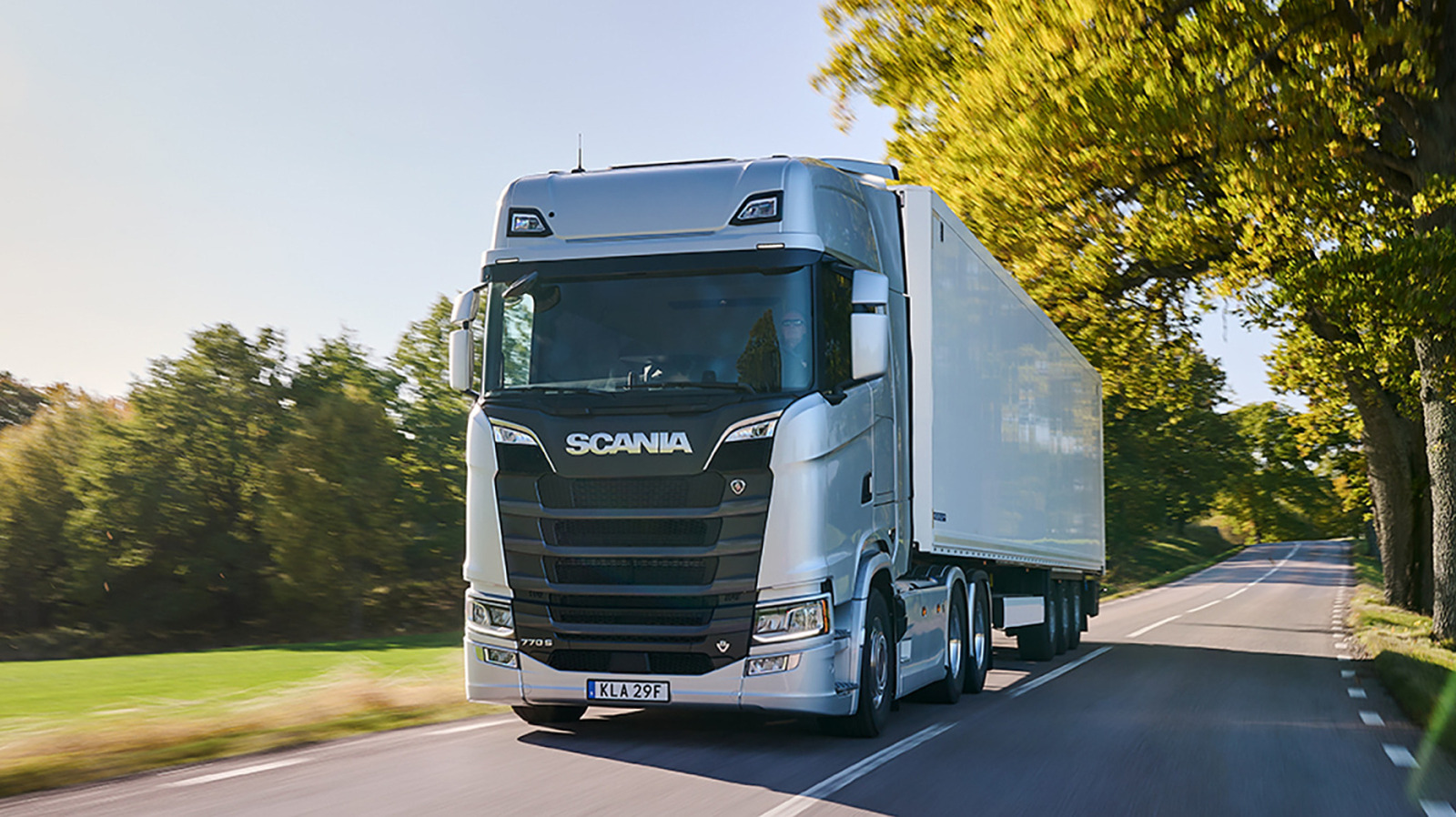
Semi-truck engines have evolved into mechanical marvels capable of moving millions of pounds of cargo across North America. Modern diesel powerplants dominate the sector, with manufacturers pushing displacement, torque, and efficiency to new extremes.
The Cummins X15, currently the industry standard, produces 510 horsepower and 1,860 pound-feet of torque in its highest configuration. This engine powers the majority of Class 8 trucks and represents the benchmark for reliability and longevity. Competitors like the Volvo D13 and Paccar MX-13 deliver similar outputs around 500-510 hp, establishing a competitive equilibrium in the heavy-duty segment.
Historical engines pushed even higher numbers. The Detroit Diesel Series 60, now retired from new production, peaked at 515 hp and 1,850 lb-ft. Older Caterpillar 3406E engines achieved similar outputs but consumed fuel at rates that modern efficiency standards no longer tolerate.
The trend toward electrification and alternative fuels complicates the picture. Battery electric semi-trucks like the Tesla Semi and Volvo FM Electric deliver instant torque but sacrifice range and payload capacity compared to diesel counterparts. Natural gas engines from Cummins and Westport offer moderate horsepower around 400 hp while reducing emissions.
Driver demand centers on practical power metrics. Truckers care less about peak horsepower than about consistent torque delivery, low-end responsiveness, and fuel economy. A 510 hp engine pulling 80,000 pounds at highway speed requires different tuning than one optimized for rapid acceleration.
Manufacturers continue balancing power with regulatory compliance. The EPA and DOT enforce strict emissions and fuel economy standards that limit displacement growth. Future semi-truck engines will likely feature lower displacement, turbocharging, and