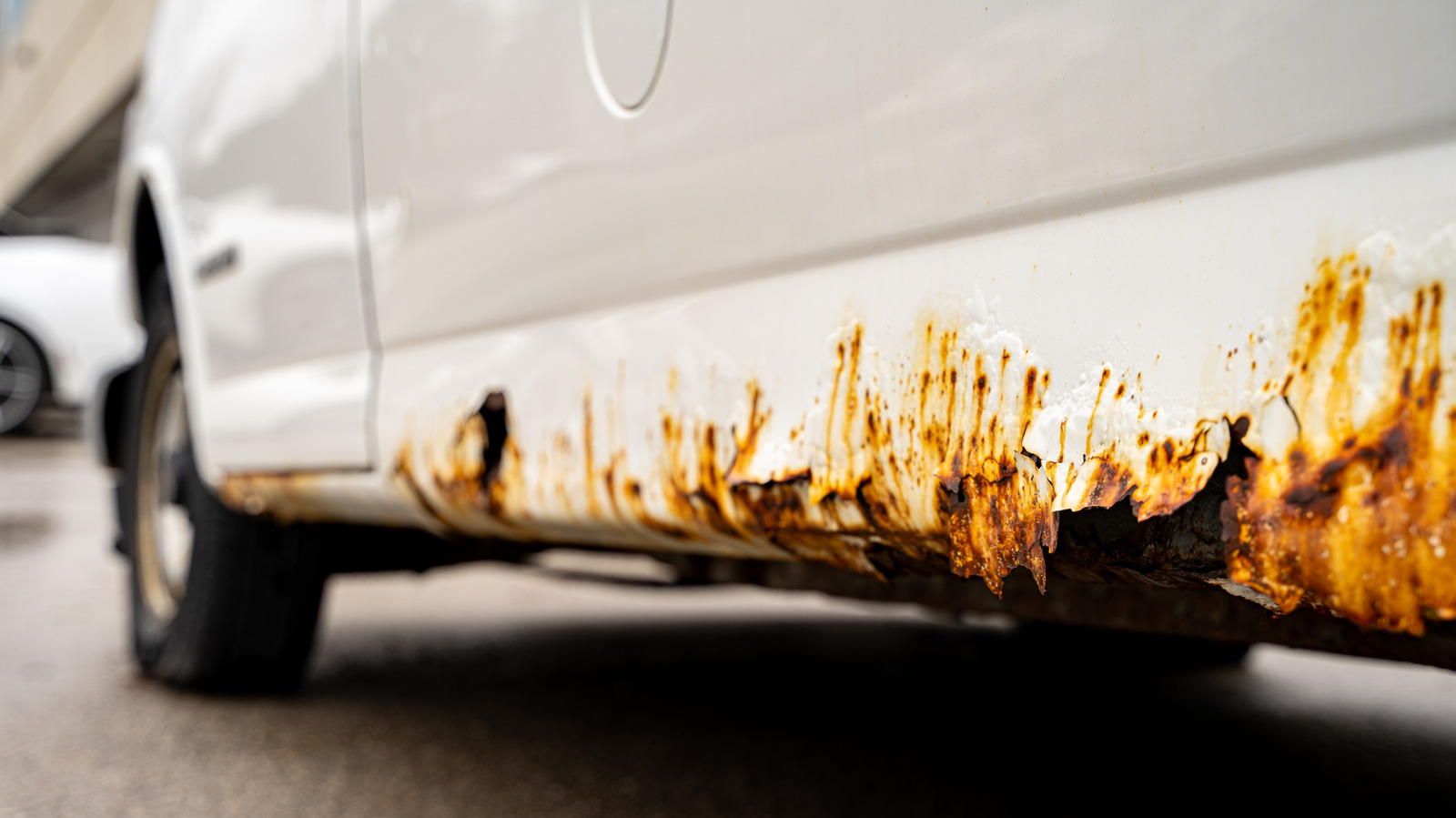
Frame rust represents one of the costliest problems any car owner can face. Unlike surface rust on panels or trim, structural corrosion weakens the actual skeleton holding your vehicle together, compromising safety and resale value simultaneously.
Surface rust removal remains a DIY project for most owners. Steel wool, wire brushes, and rust converters handle light oxidation on bumpers, trim, and underbody components. The job takes patience but demands no special equipment.
Frame rust demands professional intervention. A technician must first assess the extent of damage using visual inspection and sometimes specialized equipment to measure remaining metal thickness. Light surface corrosion on the frame rails requires wire wheels and sandblasting to remove rust, followed by application of rust-inhibiting primers and protective coatings. This process costs between $500 and $2,000 depending on severity.
Severe structural rust presents harder choices. Deep pitting or section loss compromises frame integrity. Welding becomes necessary to reinforce affected areas or patch substantial holes. Professional frame shops may cut out corroded sections and weld in new steel, a labor-intensive process running $2,000 to $8,000 or more. Some damage proves irreparable. Extensive frame rot on vehicles with significant remaining value sometimes justifies frame replacement, a procedure costing $5,000 to $15,000 on average vehicles.
Prevention beats repair economics every time. Regular washing, especially in winter when salt covers roads, slows oxidation progression. Undercoating products create protective barriers. Parking in dry conditions whenever possible extends frame life substantially.
The challenge separates north-snow states from dry climates. Road salt accelerates corrosion dramatically, making frame protection a necessity rather than an option for vehicles spending winters in harsh conditions. Buyers shopping used cars in snow country should always have frames professionally inspected before purchase. A cheap deal becomes