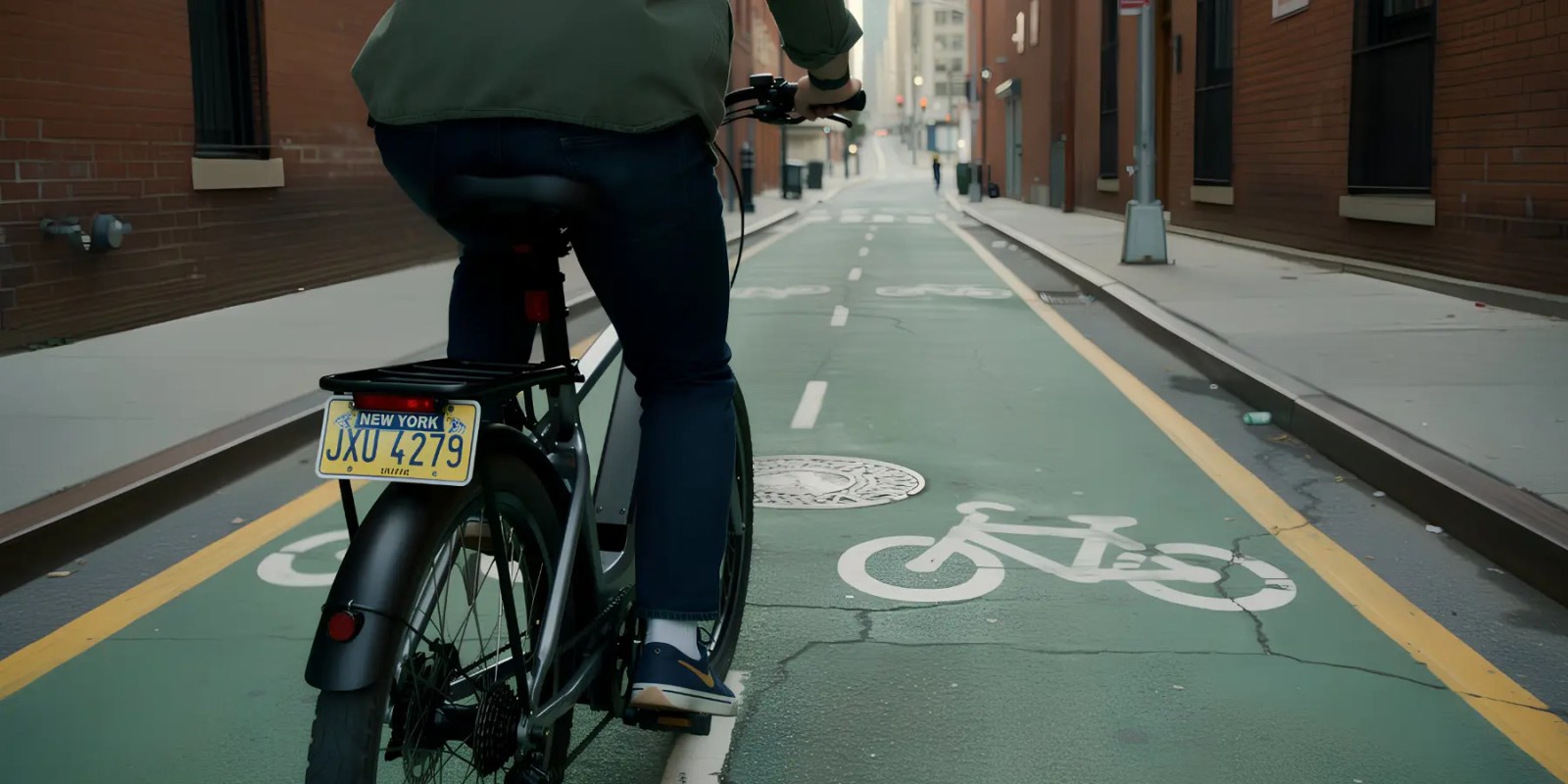
New York's legislative effort to regulate e-bikes through registration and licensing requirements has stalled. Lawmakers had pursued stricter oversight measures for electric bicycles, but momentum behind the regulatory push has dissipated.
The state's e-bike market has grown rapidly, prompting policymakers to consider formal registration systems and potential licensing frameworks similar to those governing motorcycles and scooters. Supporters argued stricter rules would improve safety, enable theft recovery, and create accountability on crowded urban streets where e-bikes now compete with cars, trucks, and pedestrians.
The regulatory push reflects a broader national tension. E-bikes offer zero-emission transportation and address last-mile connectivity in dense urban areas. Yet rapid adoption has created friction. Delivery workers using e-bikes have been involved in accidents. Parking violations and reckless riding have sparked complaints in neighborhoods across Manhattan and Brooklyn. Some proposals attempted to distinguish between Class 1 pedal-assist models, Class 2 throttle-equipped bikes, and Class 3 high-speed variants, each facing different regulatory burdens.
However, the initiative faced pushback from multiple constituencies. Advocacy groups argued registration and licensing would create barriers for lower-income riders and delivery workers who depend on e-bikes economically. Manufacturers worried compliance costs would inflate prices. Consumer groups contended that existing traffic laws adequately address dangerous riding behavior without singling out electric bicycles.
The stalled effort reflects political reality in New York. The state remains deeply dependent on delivery workers using e-bikes, particularly following pandemic-driven growth in last-mile logistics. Aggressive regulation risked destabilizing an entire workforce. Additionally, e-bike advocates have mobilized effectively, framing the regulation as a solution seeking a problem rather than addressing documented safety gaps.
The pause suggests New York may pursue lighter-touch approaches. Potential alternatives include helmet mandates, speed governors on certain models