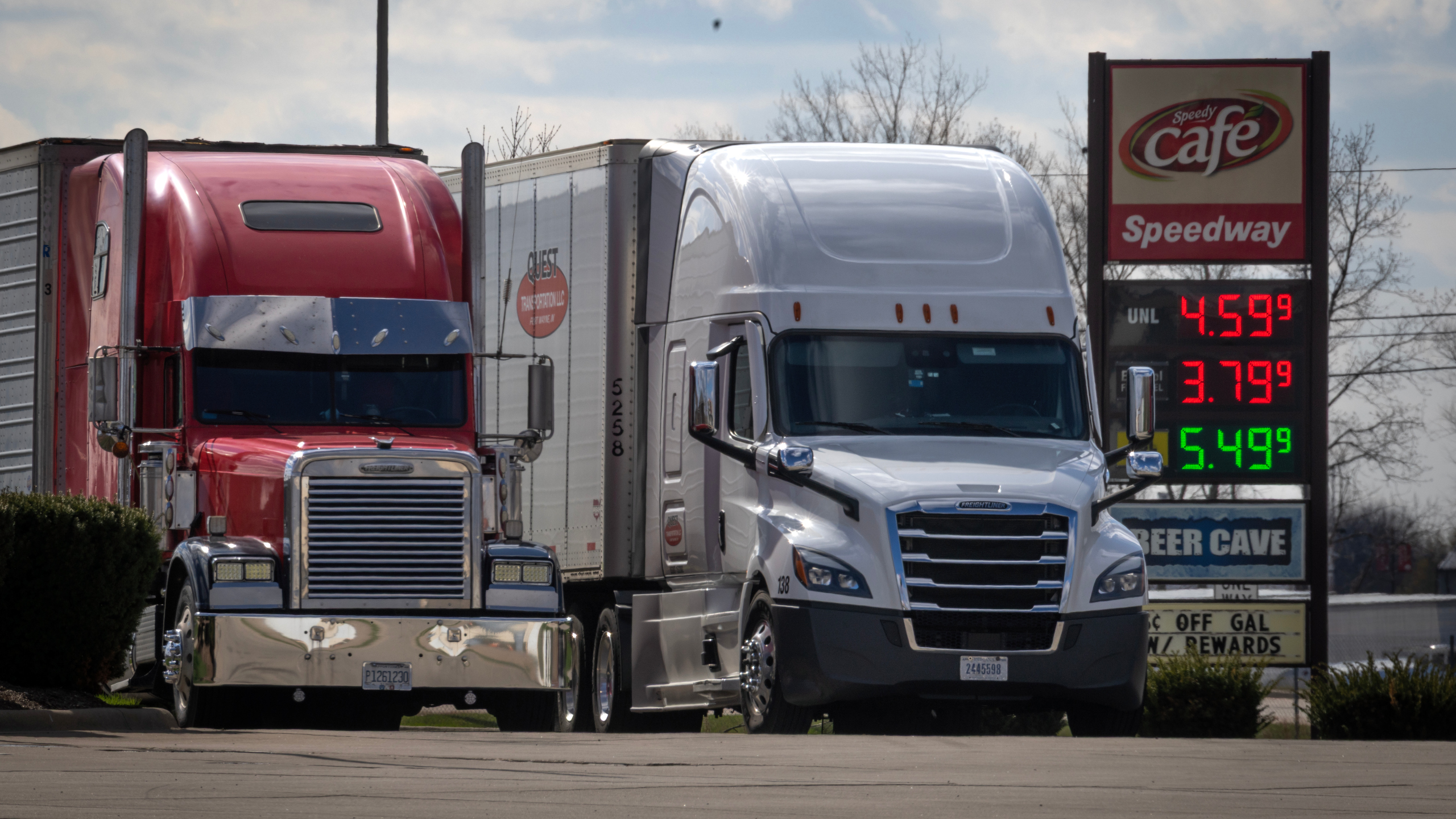
A new bill aimed at improving conditions for America's professional truck drivers has gained attention for addressing long-standing quality-of-life issues in the industry. The legislation focuses on what advocates call "Trucker Dignity," a concept that encompasses basic workplace protections and amenities currently lacking for many commercial drivers.
The trucking industry employs roughly 3.5 million drivers in the United States, yet many operate under conditions that lack fundamental workplace standards. Drivers frequently face insufficient rest areas, limited access to parking facilities that meet safety requirements, and bathroom access problems at truck stops and shippers. These issues extend beyond comfort. Poor rest conditions directly impact highway safety and driver health outcomes.
The proposed bill targets specific pain points. Enhanced parking availability during mandatory rest periods addresses a chronic shortage that forces drivers to park illegally or skip breaks entirely. Improved bathroom and shower facilities at distribution centers and loading docks address dignity concerns that many drivers describe as demeaning. The legislation also seeks better compensation transparency and more control over scheduling decisions that currently rest entirely with carriers and dispatchers.
Truck drivers have become increasingly vocal about working conditions. Driver shortages persist across the industry despite rising wages, suggesting compensation alone does not address the core issues. Young recruits often leave trucking after a few years, citing quality-of-life concerns over pay problems.
The bill reflects a broader shift in how the trucking industry thinks about driver retention. Major carriers and logistics companies now recognize that basic workplace standards produce measurable benefits. Better rest improves safety metrics, reduces accidents, and lowers insurance costs. Happier drivers stay longer, reducing expensive turnover and training expenses.
Industry observers note this legislation faces pushback from some smaller operators concerned about compliance costs. However, larger trucking companies and major shippers increasingly support such measures, viewing them as essential investments in workforce stability. The bill represents recognition that professional drivers deserve the same basic workplace dignity afforded to