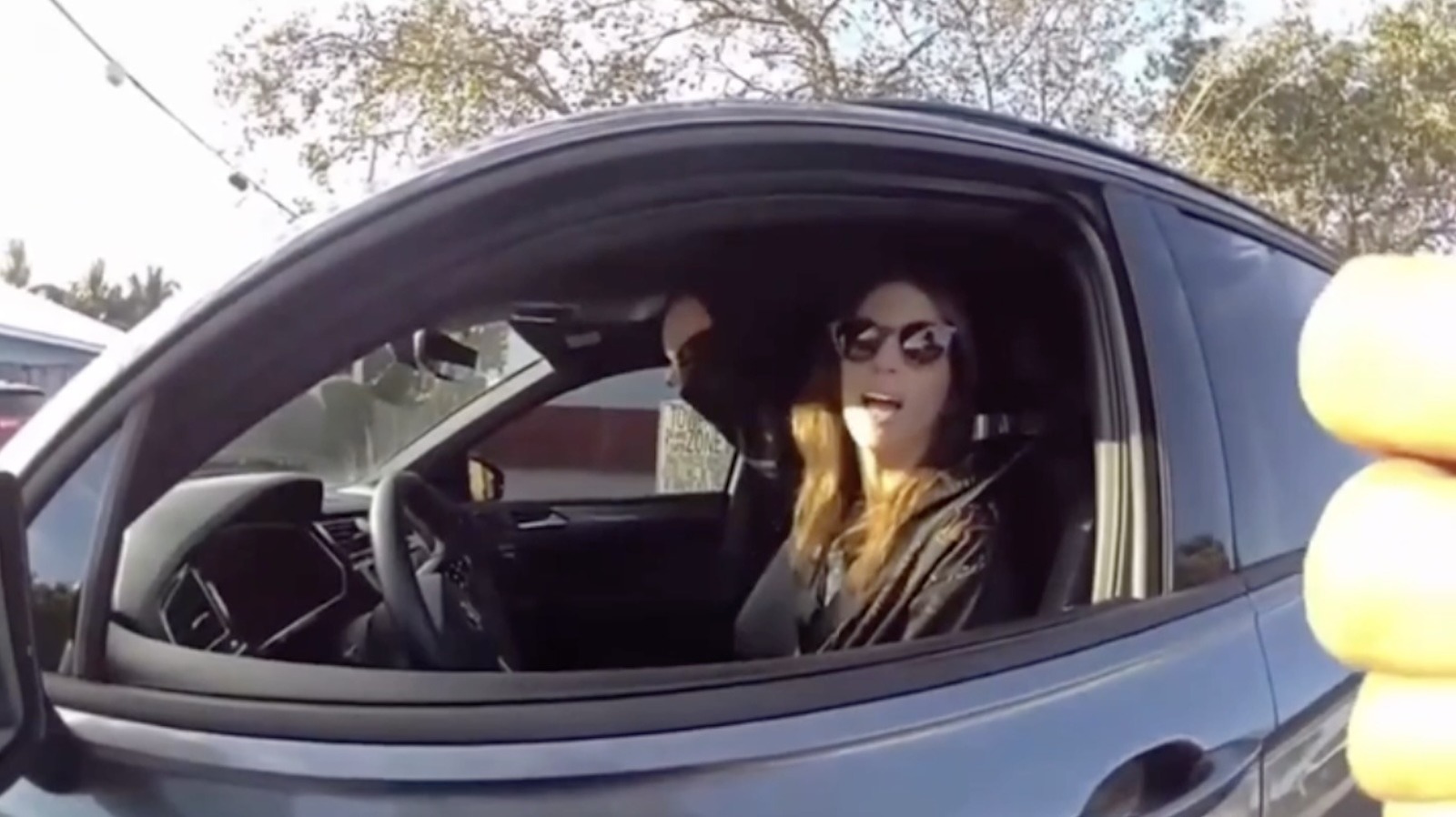
A woman with a prosthetic right arm is fighting a traffic citation issued by a police officer who ticketed her for holding a cell phone in her right hand. The officer apparently did not notice or account for her prosthetic limb when writing the violation.
The woman initially dismissed the ticket as an obvious clerical error. An officer could not have genuinely believed she was holding a phone in a hand that does not exist. She expected the citation to be dropped quickly once the mistake was clarified. Instead, she now faces trial.
This case highlights a serious problem in law enforcement training and awareness. Police officers receive little to no education about disabilities and how they appear in real-world traffic stops. A prosthetic limb functions differently than a biological hand. It cannot grip a phone or perform the fine motor control required to text or talk while driving. The distinction matters legally.
Cell phone violations are among the most common traffic citations issued nationwide. They also generate significant revenue for municipalities. This financial incentive can create pressure on officers to issue citations aggressively, sometimes without careful attention to the actual facts of the violation.
The officer's failure to observe basic details before issuing the ticket raises questions about thoroughness and training. This woman faces the burden of proving a negative. She must convince a court that she physically cannot commit the violation she was cited for. The absurdity of the situation does not seem to matter to prosecutors moving forward with charges.
Her case belongs in traffic court as a humorous anecdote about bureaucratic failure. Instead it represents a real problem for disabled drivers who already face disproportionate scrutiny during traffic stops. Police need training on disability awareness and the basic observation skills required to issue accurate citations. Until that training becomes standard, cases like this will continue wasting court time and putting innocent people through unnecessary legal proceedings.