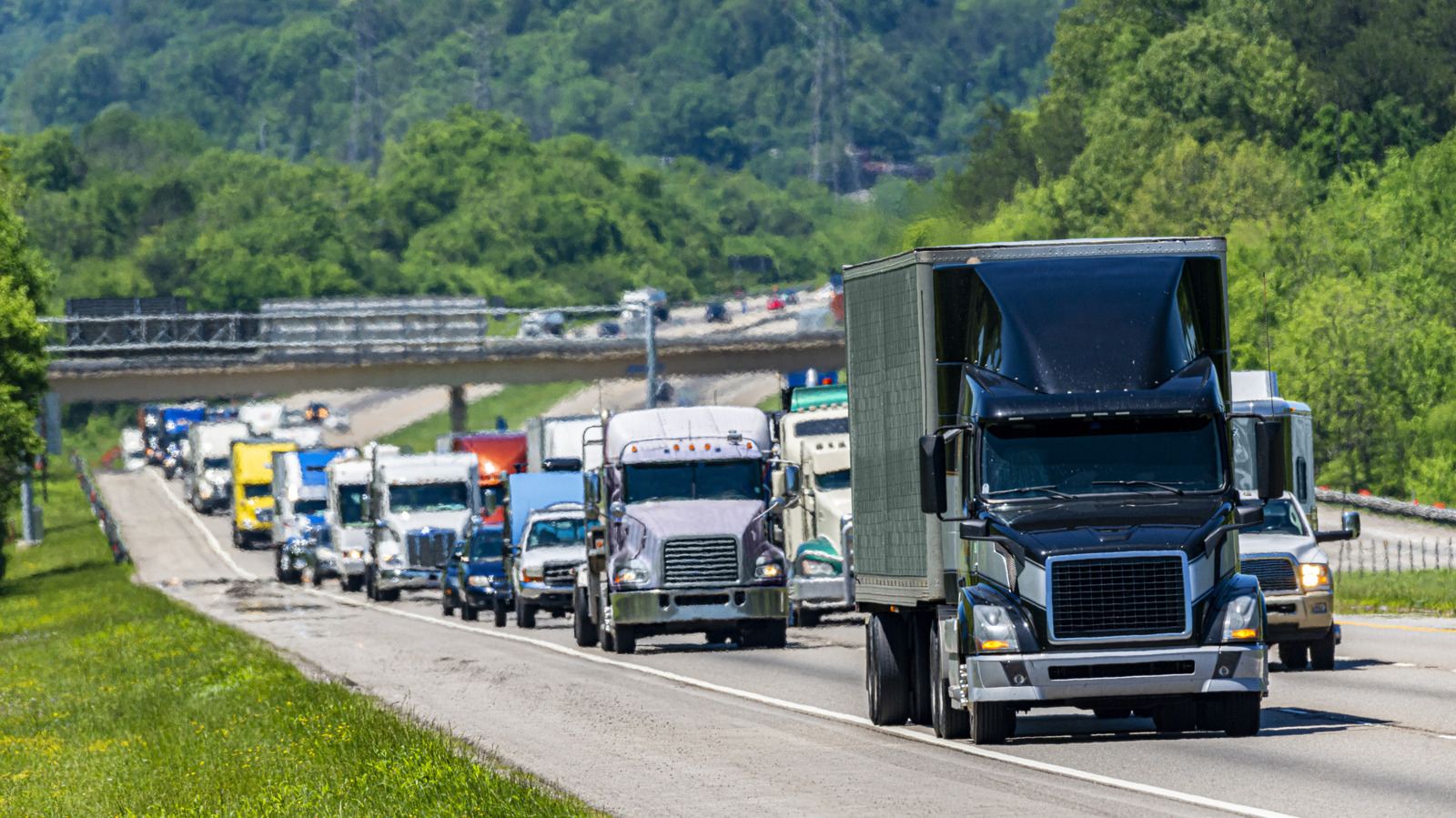
Major U.S. cities face chronic truck congestion that slows both commercial freight and passenger traffic. The problem concentrates in logistics hubs where highway systems struggle to handle the volume of semis moving goods through ports, distribution centers, and intermodal terminals.
Cities like Los Angeles, Atlanta, and Chicago experience the worst bottlenecks. LA's ports funnel massive container traffic through limited highway corridors. Atlanta's position as a Southeast distribution hub creates gridlock on I-75 and I-85. Chicago's rail and truck infrastructure becomes overwhelmed during peak shipping periods.
These bottlenecks affect ordinary drivers in multiple ways. Semis traveling at posted speeds create rolling traffic jams that back up passenger vehicles for miles. Truck drivers seeking alternate routes during peak hours shift congestion to secondary roads and residential areas. The inefficiency increases shipping costs, which eventually reaches consumers through higher prices on goods.
The root causes remain consistent. Aging highway infrastructure cannot accommodate modern freight volumes. Many truck terminals lack adequate space for efficient loading and unloading. Timing restrictions on when trucks can enter certain areas compress traffic into narrow windows. Port operations that run 24/7 in some cases still cannot clear incoming containers fast enough.
Weather events and accidents compound the problem. A single disabled semi on a major corridor can back up traffic for hours since trucks occupy multiple lanes and take longer to clear. Lane closures for road construction eliminate capacity precisely when freight demand peaks.
Some cities experiment with solutions. Off-peak delivery programs incentivize night-time freight movement when passenger traffic drops. Urban consolidation centers let trucks transfer cargo to smaller delivery vehicles suited for congested streets. Technology improvements to truck scheduling could stagger arrivals at distribution centers.
For drivers, knowing when and where these bottlenecks occur helps route planning. Avoiding peak freight hours on major highways saves time. Understanding that trucks move the economy matters when patience