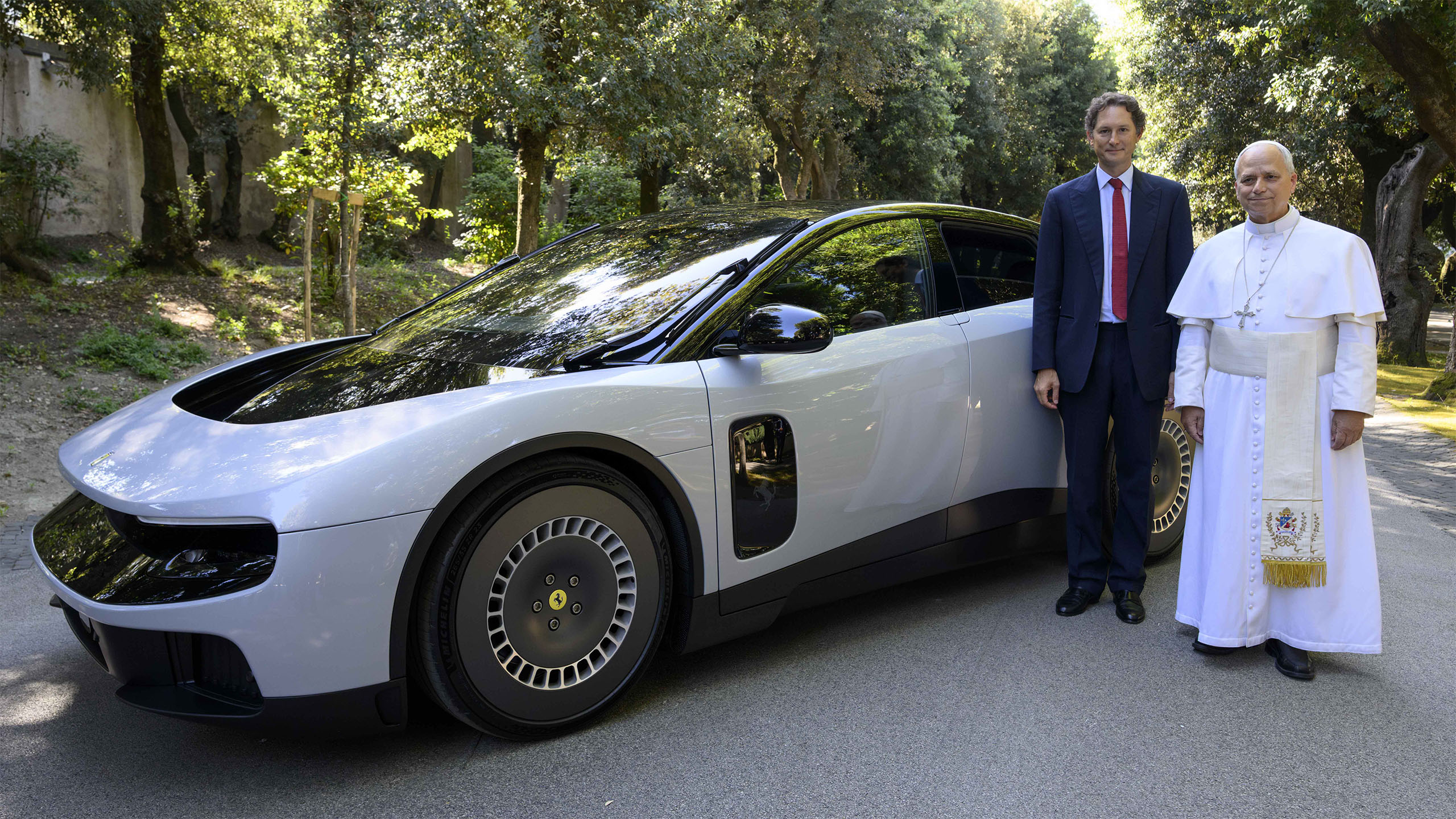
Luca di Montezemolo, Ferrari's legendary former boss, has publicly criticized the automaker's new Luce sedan, stating he would never have approved building it. The Italian icon, who led Ferrari for 24 years and shaped its identity as a maker of exclusive sports cars, wants the vehicle stripped of the Prancing Horse badge entirely.
Di Montezemolo's objection reflects a fundamental clash over Ferrari's strategic direction. The Luce represents the brand's pivot toward practical family transportation, a departure from its core mission of producing limited-production, high-performance machinery. This criticism carries weight given di Montezemolo's track record building Ferrari into a global luxury powerhouse while maintaining strict exclusivity standards.
Italy's transport minister has joined the chorus of dissent, suggesting even Enzo Ferrari himself would object to a four-door sedan bearing his name. Enzo established Ferrari as an uncompromising marque focused on racing heritage and driving purity, not comfort or practicality. A sedan directly contradicts that legacy.
Ferrari faces real pressure here. The brand has built its mystique on scarcity and performance obsession. Introducing a mass-market sedan risks diluting brand equity that took decades to establish. Yet Ferrari also needs to grow revenues and expand its customer base in an era when supercars face regulatory headwinds and shifting consumer preferences.
The Luce decision reveals tension between Ferrari's new ownership structure and its historical identity. Luxury automakers increasingly rely on sedans and SUVs to fund their performance divisions, but Ferrari's heritage makes this transition particularly fraught. Porsche successfully executed a similar strategy with the Panamera and Cayenne, but Porsche never positioned itself as purely exclusive.
Di Montezemolo's public opposition signals that old-guard Ferrari purists view the Luce as a betrayal.