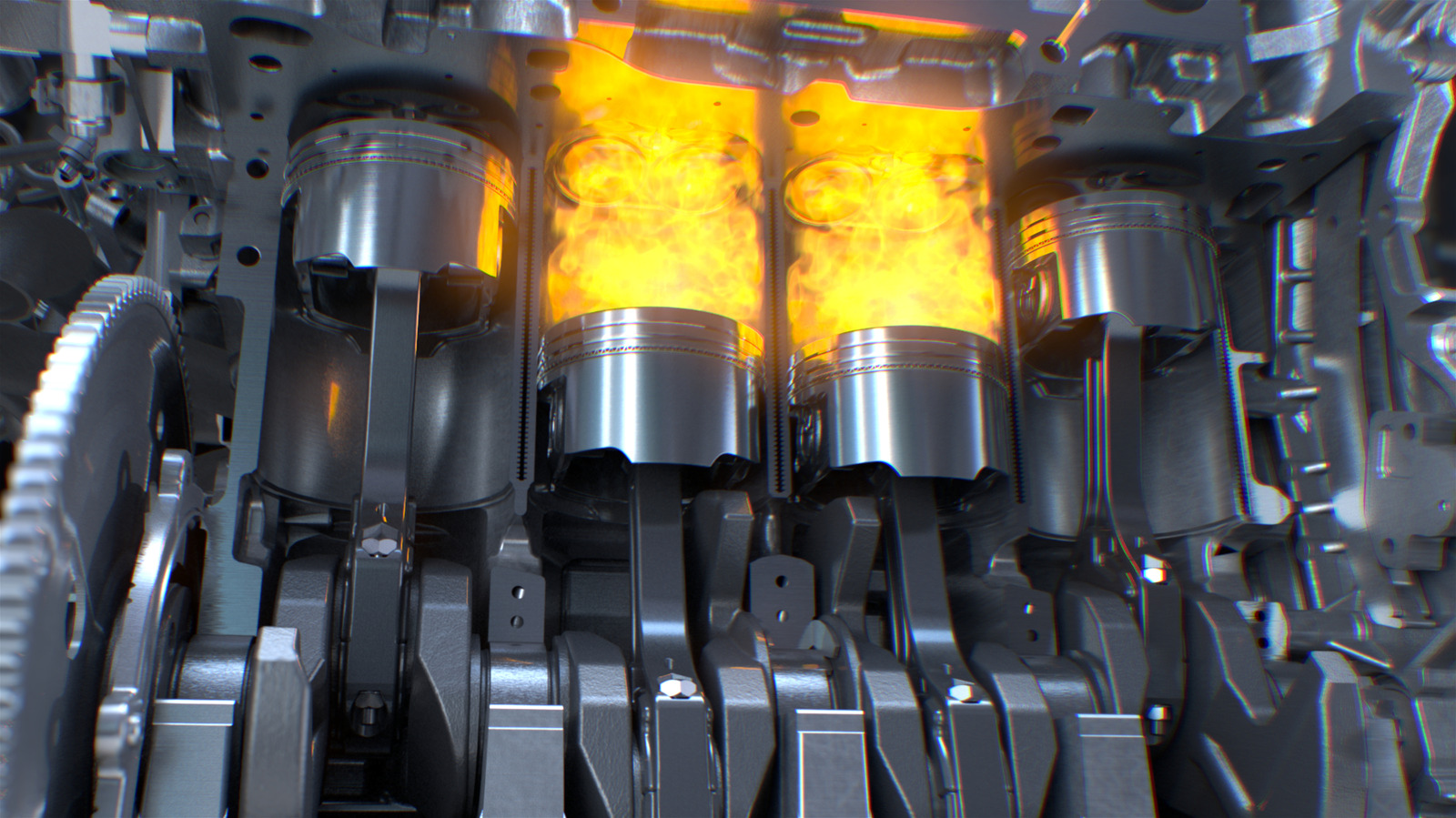
An engine's air-fuel ratio determines how efficiently fuel burns inside the combustion chamber. The stoichiometric ratio for gasoline engines sits at 14.7 parts air to 1 part fuel by mass. Deviate from this number in either direction, and performance suffers dramatically.
Run too lean, meaning excess air and insufficient fuel, and combustion temperatures spike. This causes detonation, where fuel ignites prematurely and unevenly. Pistons experience violent shock loads that crack rings and damage bearing surfaces. Cylinder head warping follows. Fuel economy improves temporarily, but engine longevity tanks. Modern knock sensors detect this and retard timing, but chronic lean conditions destroy motors.
Run too rich, with excess fuel and insufficient air, and incomplete combustion floods the engine with raw fuel. Unburned hydrocarbons clog the catalytic converter and coat cylinder walls with carbon deposits. Spark plugs foul, fuel economy plummets, and exhaust emissions spike. Black smoke pours from the tailpipe. Oil dilution becomes a real risk as fuel contaminates the crankcase, thinning lubricant and accelerating wear.
Modern fuel injection systems maintain the ideal ratio through oxygen sensors positioned in the exhaust manifold. These sensors feed real-time data to the engine control unit, which adjusts fuel pulse width constantly. Older carbureted engines lack this precision, making them more susceptible to ratio drift from worn needles or contaminated jets.
Driving habits matter. Cold starts demand richer mixtures for ignition. Extended highway cruising at steady throttle runs leaner. Aggressive acceleration requires richer fueling for power delivery. Heavy carbon buildup, vacuum leaks, faulty MAF sensors, or failing fuel injectors push ratios off target.
Symptoms of incorrect ratios include rough idle, hes