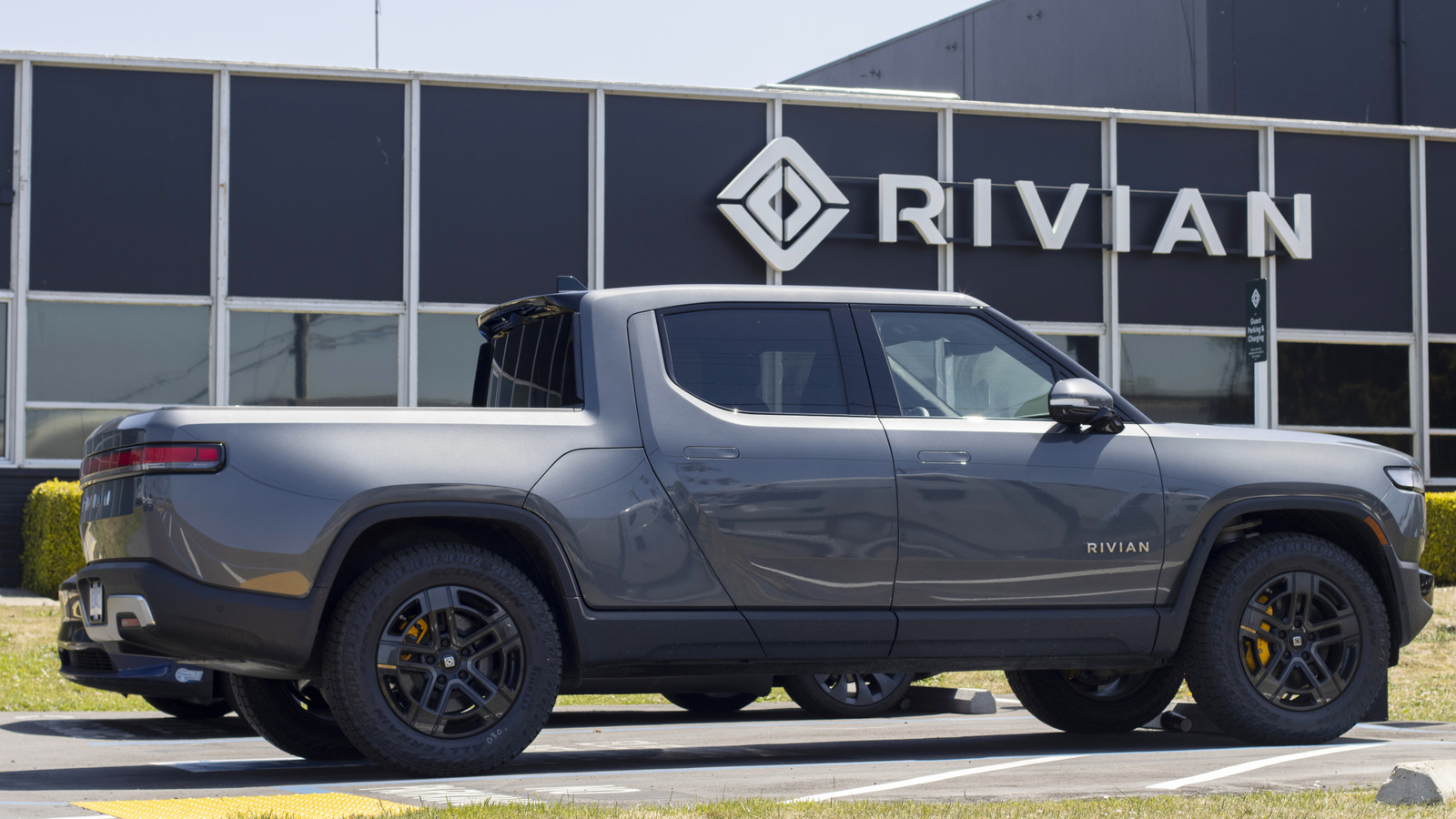
Rivian founder RJ Scaringe chose his company's name as a last resort after facing legal pressure from Hyundai, according to reporting from Jalopnik. The electric vehicle startup had to abandon its original naming choice due to a lawsuit threat from the South Korean automaker, forcing Scaringe to cobble together "Rivian" as a portmanteau alternative.
The story reveals how startup naming often comes down to trademark clearance and legal obstacles rather than grand vision. Scaringe landed on Rivian after his preferred name became legally untenable. Despite these unglamorous origins, the name has proven effective in the market. It sounds premium, carries a hint of the avant-garde, and rolls off the tongue without awkward connotations.
Rivian has used this identity to build a distinctive brand presence in the crowded EV space. The company launched its R1T electric pickup truck and R1S three-row SUV to critical acclaim, positioning itself as a credible alternative to Tesla and legacy automakers entering the EV market. The brand recognition Rivian has achieved suggests Scaringe's compromised name choice hasn't hindered the company's ambitions.
This backstory illustrates how trademark battles shape the automotive industry even before a company launches its first vehicle. Hyundai's aggressive protection of its naming space forced a startup founder to pivot, yet Rivian emerged with a name that ultimately served its purpose. Many successful companies have origin stories involving legal compromises and backup plans. What matters is execution, and Rivian's electric trucks and SUVs have delivered on the brand promise that the name alone couldn't guarantee.