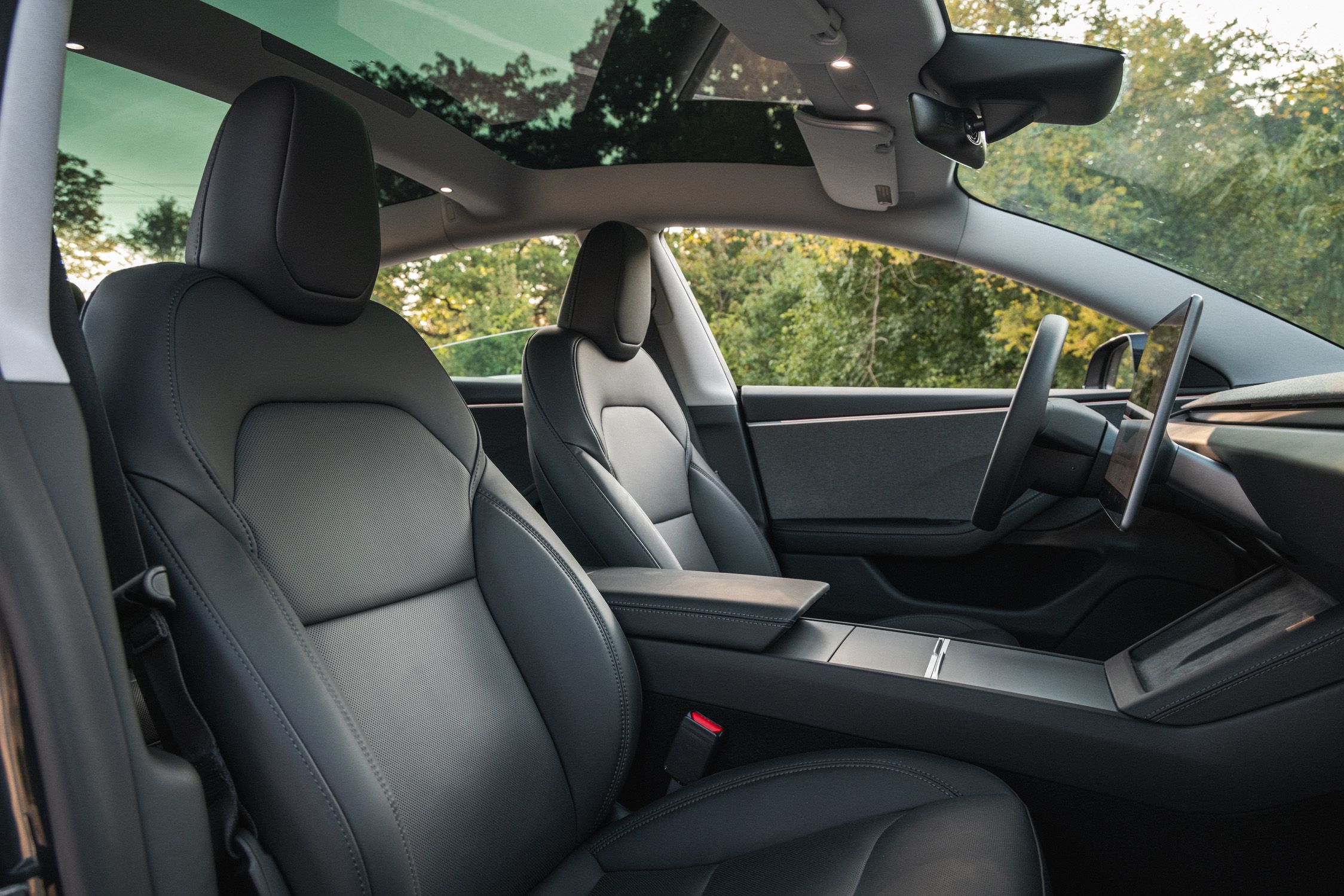
Tesla has patented technology that integrates a vehicle's panoramic glass roof into the air-conditioning system, offering an innovative thermal management solution for electric vehicles. The patent describes using the roof panel as a heat dissipation surface, potentially reducing strain on traditional cooling systems and improving efficiency.
This approach addresses a persistent challenge in EV design. Electric vehicles generate substantial heat during charging and operation, and managing cabin temperature without draining battery capacity remains critical to range and performance. Traditional air-conditioning systems consume considerable energy in EVs, directly reducing driving distance. Tesla's solution leverages existing vehicle surfaces to passively cool the cabin or battery pack.
The technology works by circulating coolant through channels integrated into the glass roof structure. The large surface area allows heat to radiate more effectively than conventional methods. During hot weather, this passive cooling could reduce reliance on active air-conditioning compressors, preserving battery energy for propulsion. The system might also work during parked situations, keeping interiors cooler when the car sits in direct sunlight.
Tesla hasn't announced plans to implement this patent in production vehicles, but the company regularly converts innovations into real-world features. Previous patents have previewed technologies that later appeared in Model 3, Model Y, and other lineup vehicles. The glass roof itself appears on multiple Tesla models, making this integration technically feasible.
This patent reflects broader EV industry trends. Manufacturers constantly chase efficiency gains since every watt-hour saved extends range, a primary driver of purchase decisions. Hyundai, BMW, and others have pursued similar thermal management innovations. Tesla's approach stands out for its simplicity and use of existing components rather than requiring entirely new hardware.
For consumers, effective thermal management translates to tangible benefits. Less cooling system energy consumption means longer driving range per charge, faster real-world acceleration, and reduced charging frequency. In summer climates, these gains become substantial. The technology