The LS engine platform dominates the engine swap market for reasons that extend well beyond cheap parts. Chevrolet's LS family, which debuted in 1997 and powered everything from the Corvette to pickup trucks, created a massive aftermarket ecosystem that competitors simply cannot match.
Availability drives the swap culture. Used LS engines flood the market from wrecked vehicles, corporate fleets, and enthusiasts upgrading to newer powerplants. This volume keeps prices low. A 5.3L LS can sell for $800 to $1,500 complete. Compare that to importing a JDM 2JZ or chasing down a crate small-block Chevy.
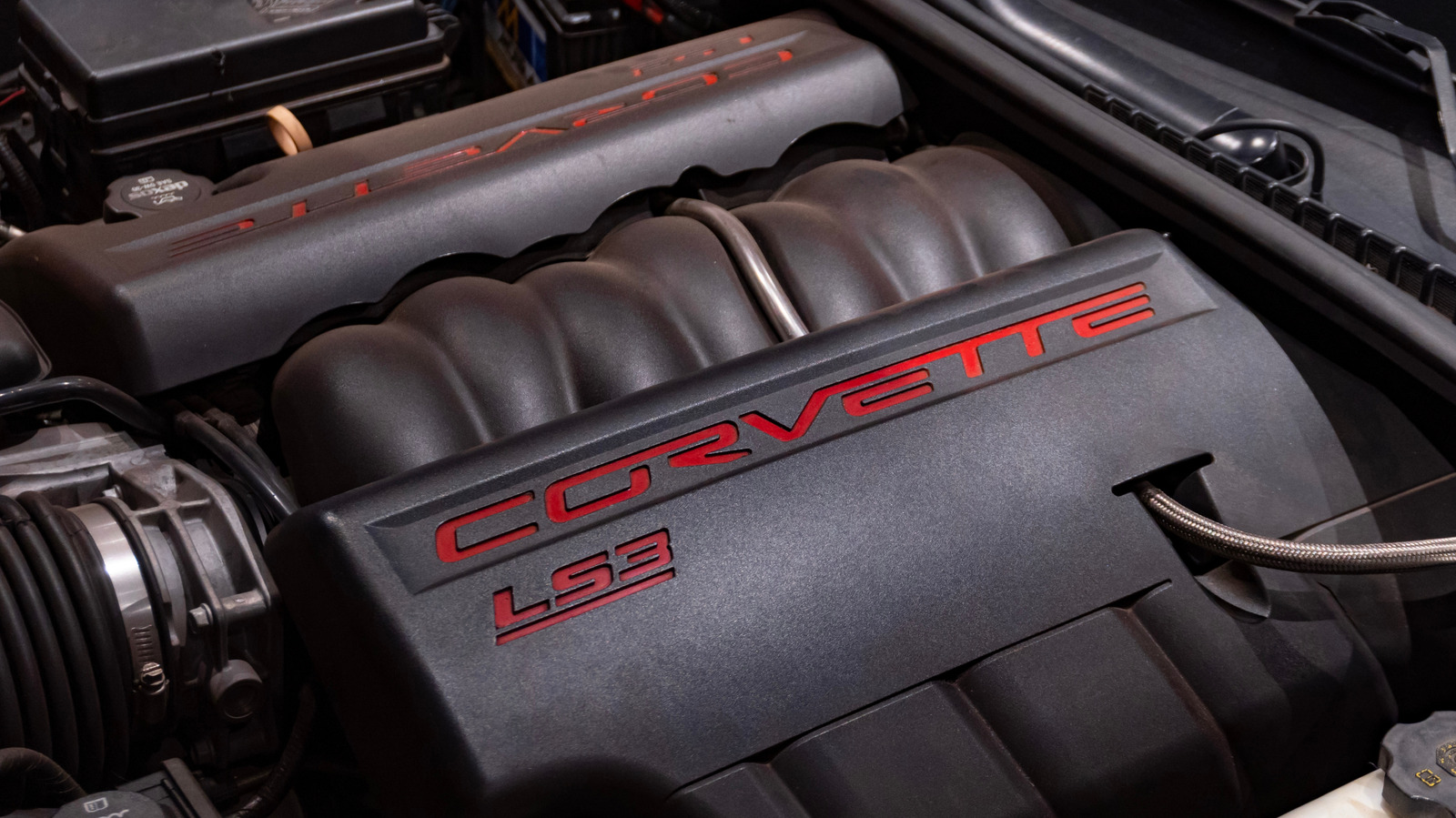
But affordability tells only half the story. The LS family offers genuine engineering advantages. These engines produce strong torque across a wide RPM band. A stock LS3 makes 430 horsepower and 424 lb-ft of torque. Turbocharging and supercharging bolt directly onto existing manifolds. Tuning software exists off the shelf. You buy a chip, upload it, and gain 50 additional horsepower with no fabrication.
Packaging matters too. The LS platform measures shorter and narrower than traditional big-blocks. Builders can fit LS motors into classic Chevelles, Camaros, and Broncos without extensive frame modifications. The engine's height stays manageable under stock hood lines.
The swap community itself perpetuates the LS dominance. Experienced builders offer documented methods. YouTube channels walk through wiring harnesses. Engine mounts fit proven applications. First-time swappers face less risk attempting an LS conversion than experimenting with unfamiliar platforms.
Japanese manufacturers never captured this niche despite the 2JZ's legendary strength and the RB26's tuning potential