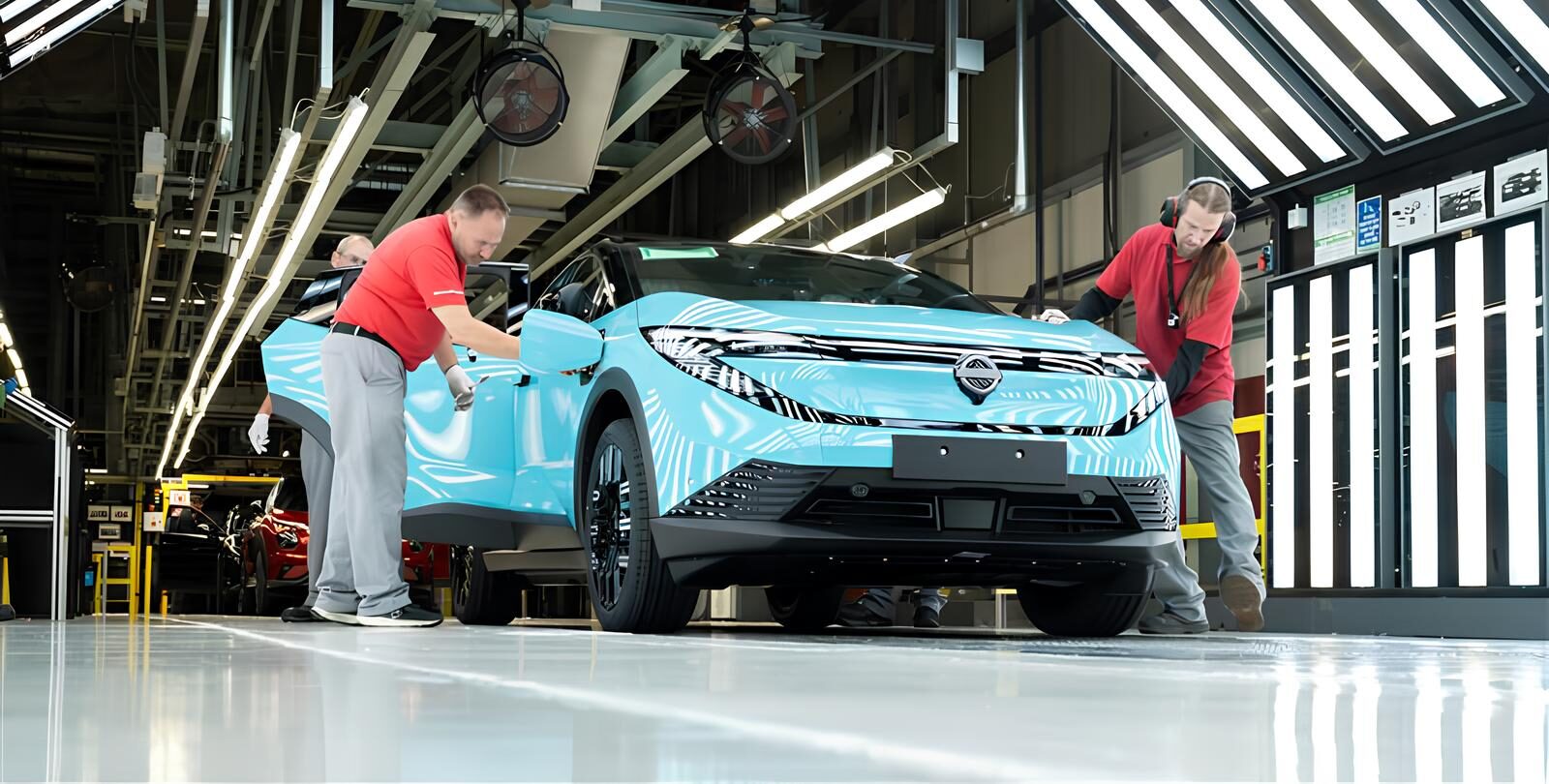
Battery electric vehicles captured 21 percent of Europe's new car market during the first four months of 2026, cementing their position as the fastest-growing powertrain despite ongoing market volatility. This milestone reflects continued consumer adoption across the continent, even as traditional automakers navigate shifting demand and profitability pressures.
The surge in BEV penetration underscores a fundamental shift in European buyer behavior. Tighter emissions regulations, expanding charging infrastructure, and improving battery economics have made electrified vehicles increasingly competitive against combustion engines. Yet the headline number masks fragmentation across regional markets, where BEV adoption varies dramatically based on incentive structures and local economic conditions.
Nissan's recent decision to reduce investment in EV manufacturing contradicts the broader market trajectory. The Japanese manufacturer, once positioned as an EV pioneer with models like the Leaf, appears to be retreating from the segment despite its demonstrated growth potential. This move signals either a strategic pivot toward hybrid powertrains or a reassessment of Nissan's competitive standing in the EV space. The company's shift reflects real competitive pressures from Tesla, BYD, and legacy European manufacturers ramping up EV production.
The 21 percent figure matters because it validates the EU's regulatory direction, but it also raises questions about profitability. Margin compression in battery production remains an industry-wide problem. Automakers struggle to price EVs profitably against established competitors while managing the transition away from conventional powertrants.
BEV market share growth continues unabated, but the conversation has shifted from "will EVs take over" to "can automakers make money on them." Nissan's pullback underscores that market share and manufacturer confidence are not synchronized. Several legacy producers betting heavily on electrification face margin pressure that may force similar strategic recalibrations.