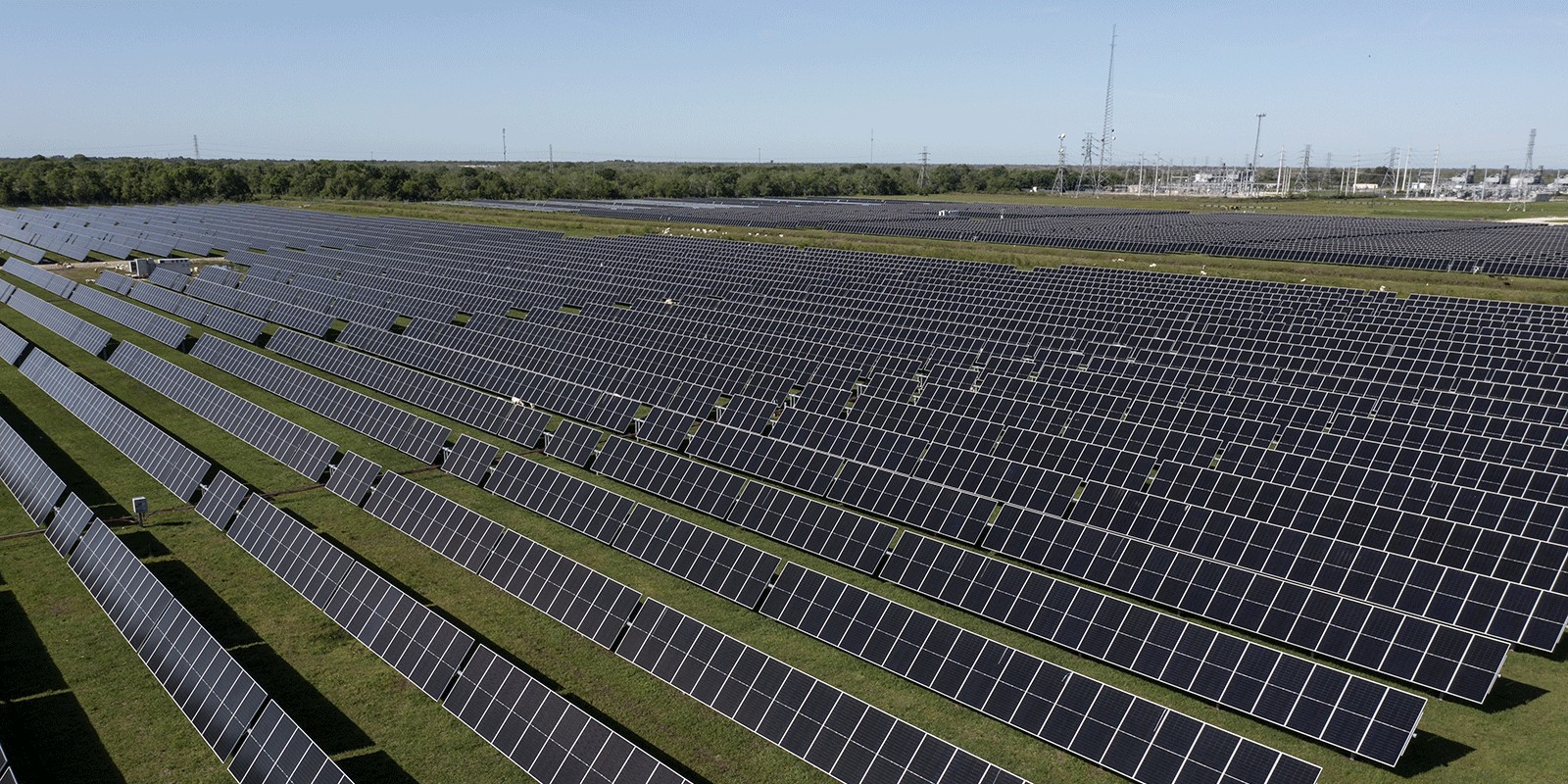
University of Massachusetts Amherst researchers have challenged the narrative that large solar farms face widespread public resistance across America. Their study reveals that most utility-scale solar projects proceed without significant local backlash, contradicting the impression created by high-profile opposition cases that dominate headlines.
The research examined deployment patterns for major solar installations nationwide. While certain projects do encounter organized community pushback, they represent exceptions rather than the rule. Local opposition tends to concentrate in specific regions and demographics, but the majority of large solar farms move through permitting and construction phases with minimal public friction.
This finding carries weight for the renewable energy industry as it scales toward decarbonization targets. Developers and policymakers have increasingly cited community resistance as a barrier to accelerating solar deployment. The UMass Amherst data suggests that operational and regulatory obstacles may present greater challenges than public opinion.
The study arrives as utility-scale solar capacity continues climbing in Texas, California, and other high-resource states. TotalEnergies, NextEra Energy, and other major developers have ramped investment in farms spanning thousands of acres. Geographic factors, land-use patterns, and existing community relationships appear to shape whether projects encounter resistance more than the mere presence of a solar farm.
Notable opposition campaigns have emerged in regions where solar development conflicts with agricultural heritage, tourism economies, or viewshed concerns. Rural communities in some Mid-Atlantic states and parts of the Midwest have organized against utility-scale projects. Yet these cases receive disproportionate media attention relative to the volume of projects advancing without controversy.
The research suggests developers and utilities may over-estimate community opposition risk when planning timelines and engagement strategies. Most American voters support solar expansion in polling, though attitudes shift when projects arrive in specific neighborhoods. The UMass findings indicate that careful site selection and early stakeholder communication can mitigate backlash effectively.
For the solar industry racing to add capacity