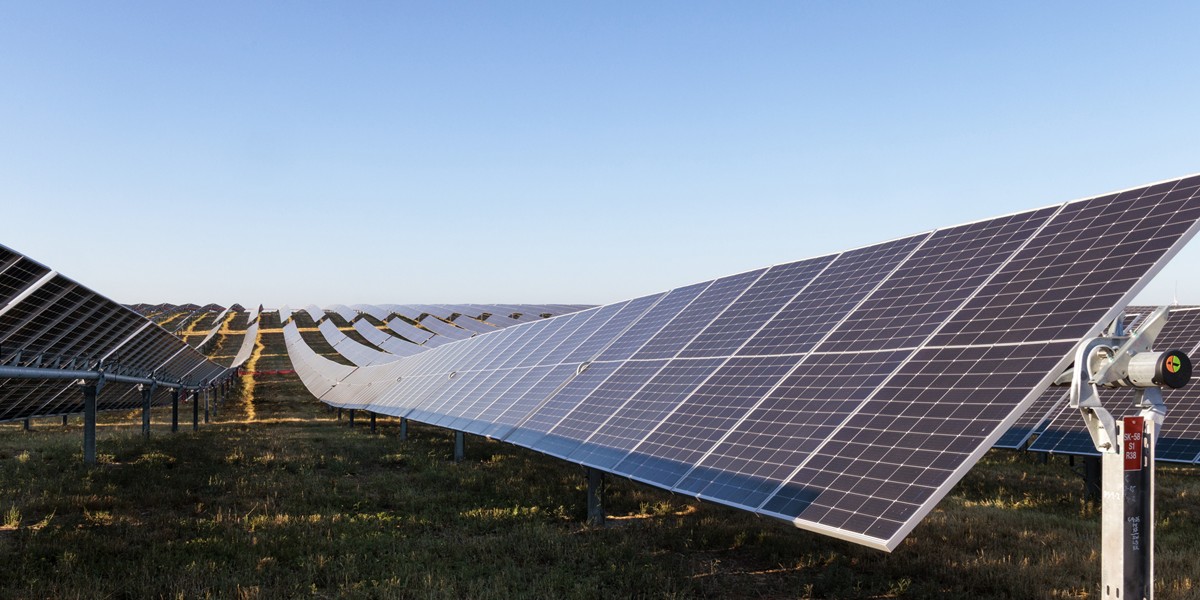
Enbridge, the Canadian energy giant, has activated the first phase of its Sequoia Solar project in Texas, marking a major expansion of utility-scale solar capacity in North America. The $1.1 billion facility represents one of the region's largest solar installations, reflecting the accelerating shift toward renewable energy infrastructure across the continent.
The project's scale underscores how aggressively major energy companies are pivoting away from fossil fuels. Enbridge, historically known for oil and gas pipelines, demonstrates the industry-wide recognition that renewable generation now makes financial sense. Texas has emerged as the dominant hub for U.S. solar development, driven by abundant land, favorable economics, and supportive state policy. The Lone Star State now leads the nation in solar capacity additions annually.
Sequoia represents a calculated bet on long-term energy markets. Utility-scale solar farms of this magnitude operate on 20 to 25-year power purchase agreements, providing stable revenue streams. Enbridge's commitment of $1.1 billion signals confidence in the project's viability and reflects the declining cost curve of solar technology. Panel prices have dropped roughly 90 percent over the past decade, making large installations increasingly economical without subsidies.
The facility's phased approach allows Enbridge to manage construction risk while generating revenue from operational sections. This strategy reduces capital intensity and provides faster returns on investment during development.
For automakers and charging networks, projects like Sequoia matter directly. Expanded solar generation means cleaner grid electricity for EV charging infrastructure. As utilities add more renewable capacity, every charging session produces lower emissions, improving the environmental case for vehicle electrification.
Texas remains critical to North American automotive electrification. Tesla's Gigafactory outside Austin depends on reliable, affordable power. Competing EV manufacturers planning production in the state benefit from increasingly renewable-heavy grids. Sequ