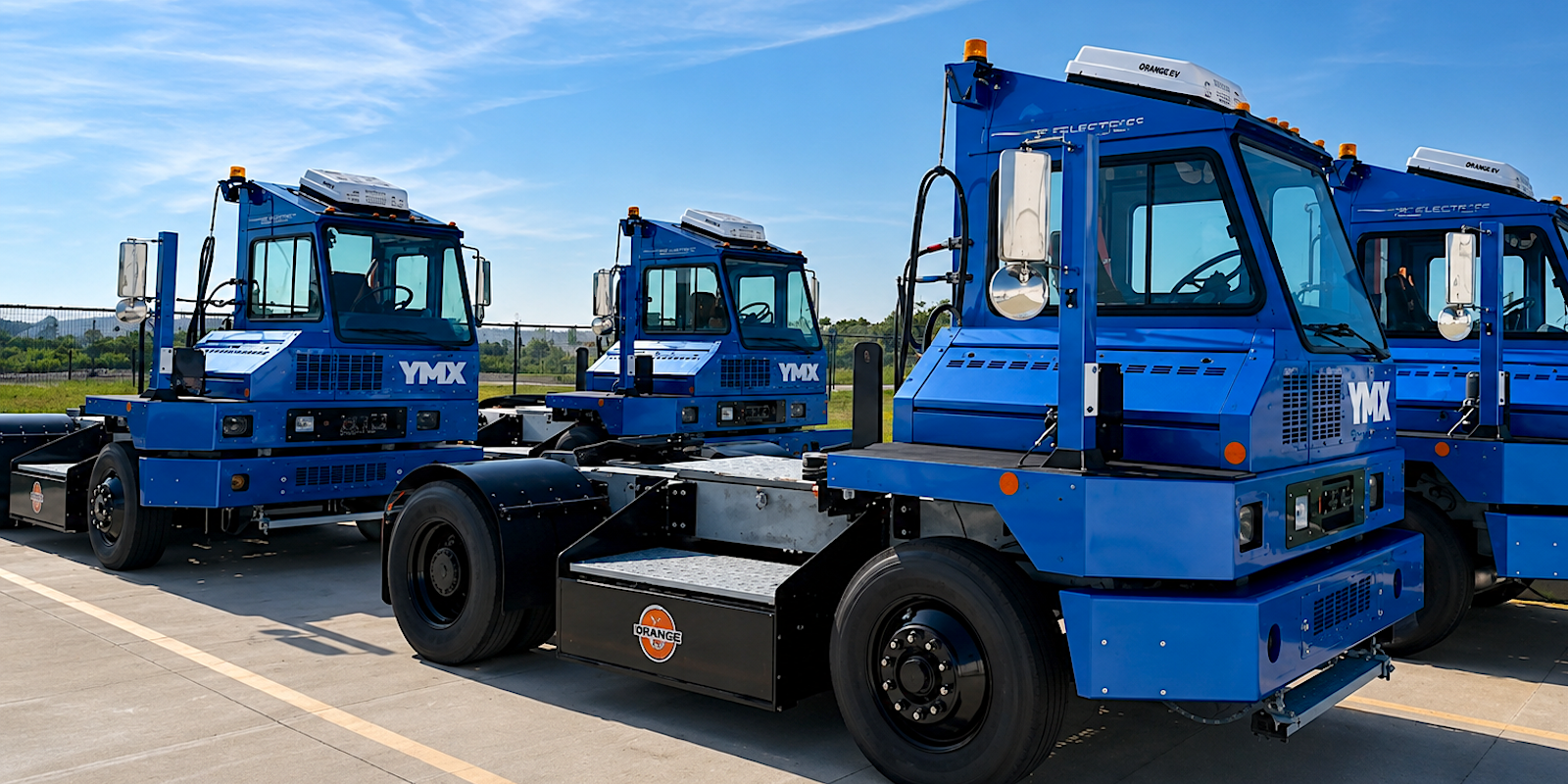
Fleet operators increasingly focus on electrification strategies that balance environmental sustainability with operational risk reduction. The shift reflects growing pressure to lower emissions while managing the financial uncertainties that accompany large-scale EV adoption.
Fleet electrification presents multiple sustainability pathways. Direct EV deployment reduces tailpipe emissions. Pairing EVs with renewable energy sources like solar and wind installations amplifies environmental benefits. Vehicle-to-home (V2H) technology allows fleet vehicles to function as mobile power sources during off-hours, creating grid stability benefits while lowering electricity costs.
Risk mitigation matters as much as environmental credentials for fleet managers. Battery supply chain volatility, charging infrastructure gaps, and upfront capital requirements shape purchasing decisions. Companies that commit to EVs while simultaneously investing in on-site solar or wind generation reduce exposure to volatile energy prices. They also gain operational flexibility and potential revenue streams through grid services.
Recent renewable energy wins demonstrate the infrastructure trend accelerating. Large solar installations and wind farms now supply corporate charging networks. This pairing addresses the chicken-and-egg problem that has plagued EV adoption. Fleet operators no longer depend exclusively on public charging networks or conventional grid electricity. They control their energy sources.
The economics shift when a fleet operator owns both the vehicles and the power generation. Maintenance costs become predictable. Fuel price volatility evaporates. Grid demand charges decline. These factors combine to improve total cost of ownership calculations that still determine fleet purchasing decisions.
Schadenfreude enters the conversation when traditional automakers struggle with EV transition while nimble competitors capture fleet contracts. Legacy manufacturers invested heavily in internal combustion platforms. Their EV lineups arrive late or lack the per-mile economics that fleet operators demand.
For fleet operators, the calculus is straightforward. Electrification reduces emissions and operating costs. Renewable energy integration reduces both environmental impact and financial risk. The sustainability story and the