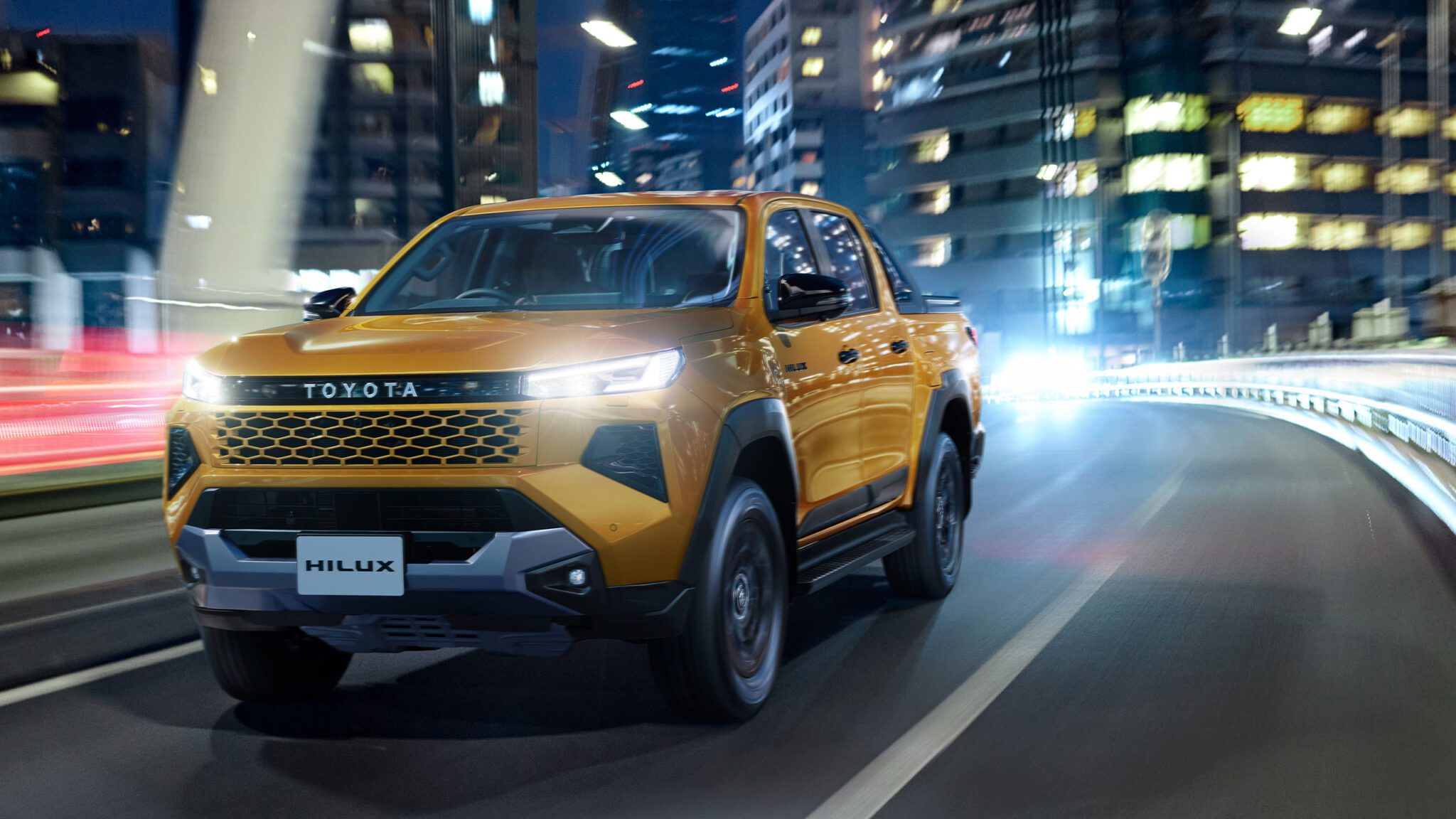
Toyota introduced a redesigned Hilux pickup truck in Japan, maintaining the proven IMV platform architecture and 2.8-litre 1GD-FTV turbodiesel engine. The Japanese automaker opted for evolutionary refinement rather than revolutionary change with the latest iteration of its workhorse truck.
The decision to retain the IMV ladder-frame platform reflects Toyota's confidence in the architecture's durability and cost efficiency. This chassis underpins multiple truck models across Toyota's global lineup and has earned a reputation for toughness in demanding markets. The 1GD-FTV diesel engine, a stalwart in the Hilux lineup, continues to deliver the torque and efficiency that buyers expect from a commercial-duty pickup.
Retaining these core components allows Toyota to focus resources on exterior styling updates, interior refinements, and feature additions that appeal to modern buyers without abandoning the mechanical fundamentals that define the Hilux's market position. The Japanese pickup market values reliability and workability over cutting-edge innovation, making this conservative approach sound strategy for domestic sales.
The Hilux competes against rivals like the Isuzu D-Max and Mitsubishi Triton in Japan. Toyota's incremental approach differs sharply from manufacturers pursuing electrification or radical redesigns. The Japanese market still embraces diesel powertrains in commercial vehicles, where fuel economy and towing capacity trump emissions concerns.
Toyota's Hilux remains the bestselling pickup globally, with strong demand in Southeast Asia, Africa, and the Middle East. The Japanese market represents a smaller slice of total Hilux sales, but the nameplate carries symbolic weight as Toyota's domestic flagship truck. By preserving the IMV platform and diesel engine while updating aesthetics and technology, Toyota ensures continuity for fleet operators and individual buyers who depend on predictable performance and parts availability.
This generational refresh positions the