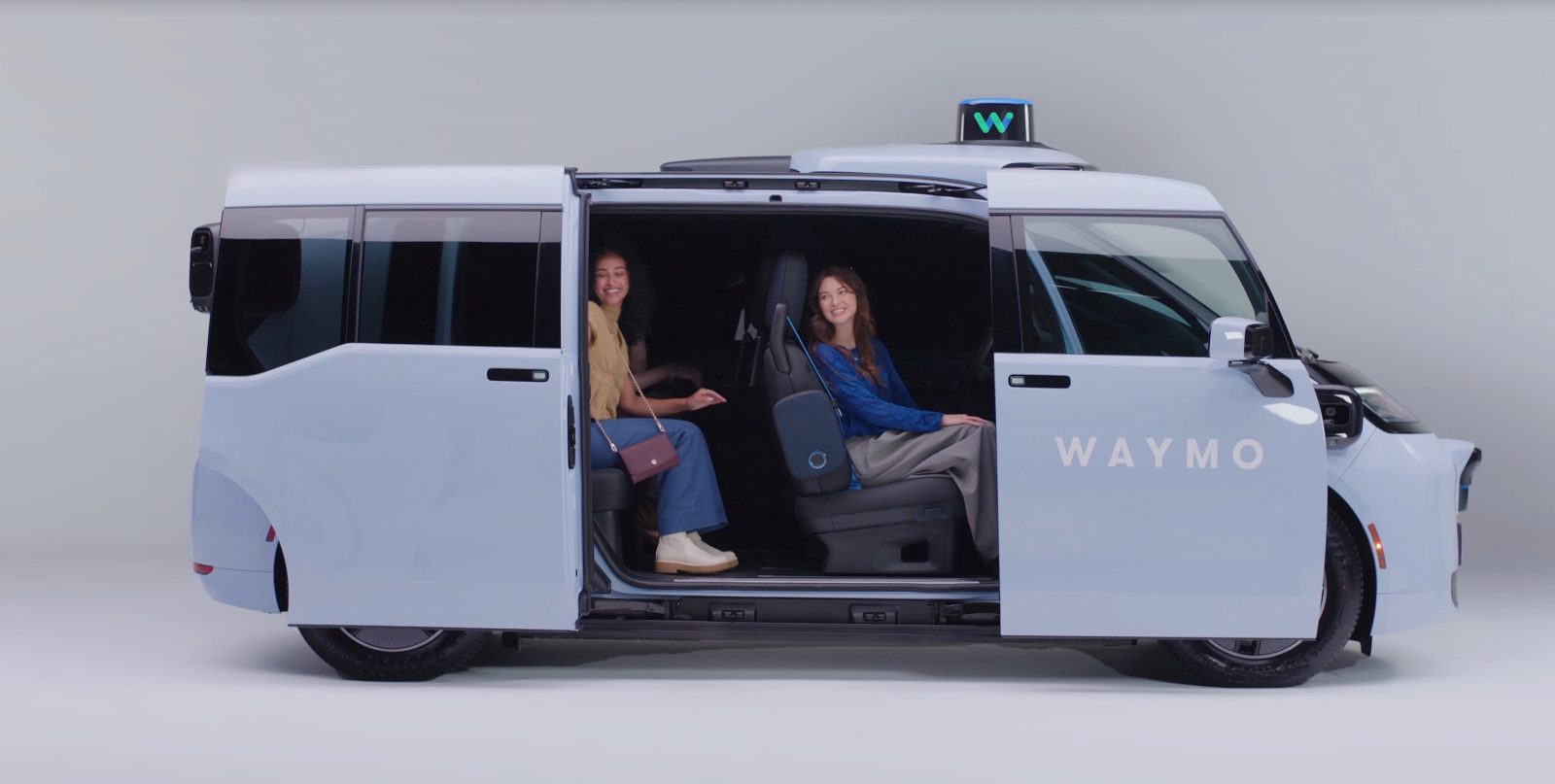
Waymo is rolling out its purpose-built Ojai robotaxi with sixth-generation autonomous driving hardware across San Francisco, Los Angeles, and Phoenix. Select riders can book free trips on a limited-time basis.
The Ojai marks Waymo's most ambitious vehicle yet. Built from the ground up for driverless operation rather than adapted from existing platforms, the robotaxi integrates the company's latest sensor and computing systems. The 6th-gen Driver hardware represents iterative refinement on Waymo's proven autonomous stack, which already powers operations across 11 cities.
The deployment comes as Waymo has logged over 20 million fully autonomous miles. That scale puts competitors like Cruise and Aurora far behind. Tesla's actual fully autonomous capabilities remain undefined despite years of FSD promises.
Ojai's launch is significant for several reasons. First, a purpose-built robotaxi simplifies manufacturing and optimizes design specifically for driverless constraints. Passengers face no steering wheel or pedals, freeing interior space for comfort and storage. Second, the expanded geographic rollout tests Waymo's ability to scale rapidly. San Francisco, Los Angeles, and Phoenix represent three distinct markets with different road conditions, traffic patterns, and regulatory environments.
The free-ride offer targets early adoption and builds data on real-world performance. Waymo benefits from edge-case scenarios and customer feedback that even millions of miles can miss. These rides also generate word-of-mouth marketing in a market where consumer trust remains fragile.
Waymo's hardware advancement matters because autonomous systems depend on sensor redundancy and processing speed. The 6th-gen upgrade likely improves detection range, weather resilience, and decision-making latency. These incremental gains compound across millions of trips.
Competition intensifies as Tesla prepares its Cybercab launch and Uber explores autonomous delivery. But