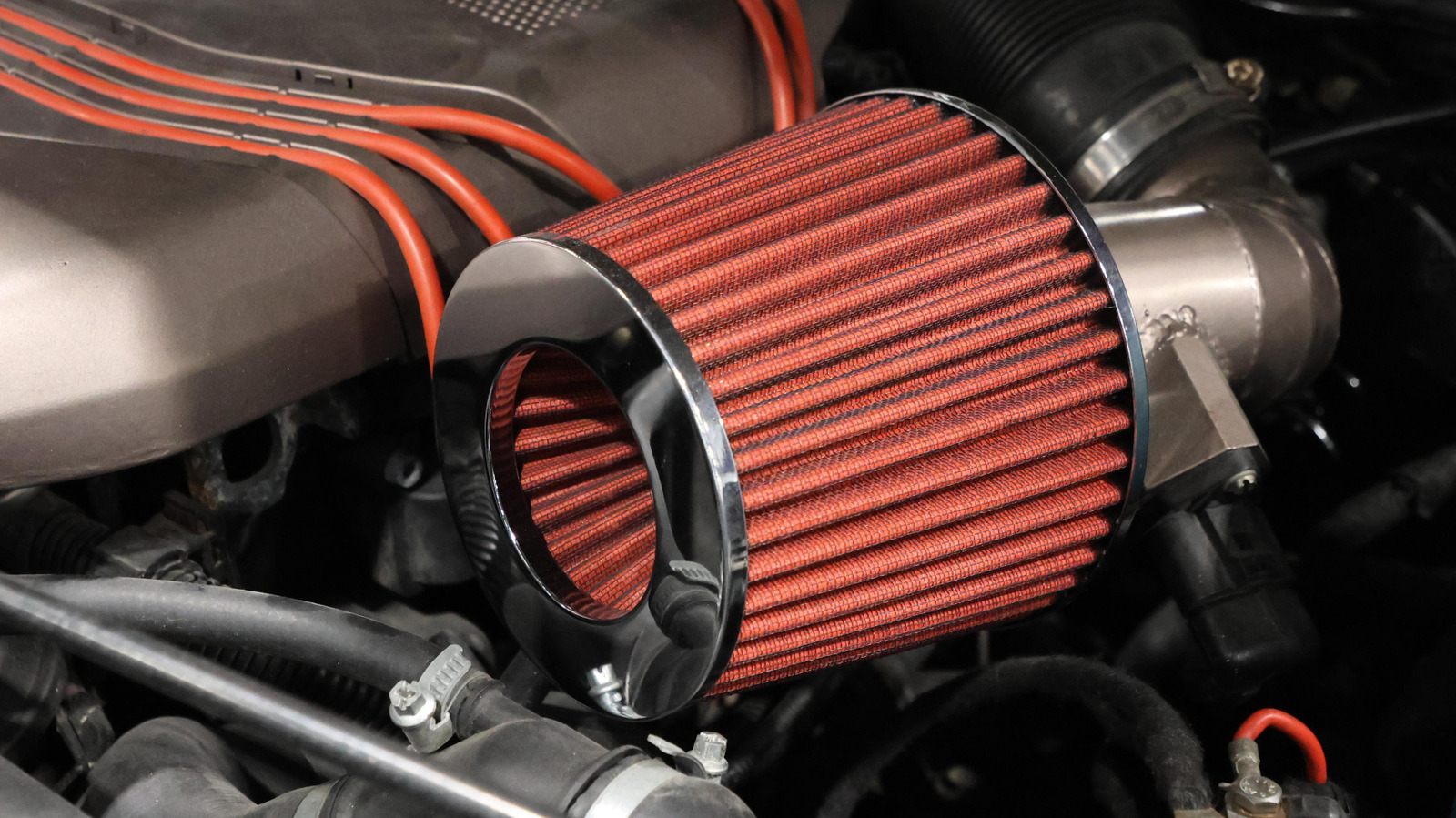
Cold air intakes and short ram intakes represent two distinct approaches to engine breathing, each with real tradeoffs that matter for performance.
Cold air intakes draw air from outside the engine bay, pulling cooler ambient air through extended ducting. This lower intake temperature translates to denser air charge, which means more oxygen molecules entering the combustion chamber per cycle. Denser air burns more efficiently and produces more power. The downside: cold air intakes cost more, require complex installation, and may not deliver consistent performance gains in real-world driving, especially in city conditions where the engine warms quickly.
Short ram intakes sit directly atop the engine, pulling air from inside the engine bay. Installation proves simpler and cheaper. The tradeoff is that under-hood air grows hot fast, especially during acceleration. Hot air is less dense, reducing oxygen content and blunting any power gains. Short ram intakes shine in sustained high-RPM driving where continuous cooling airflow keeps temperatures manageable, but they underperform in stop-and-go traffic.
Dyno testing reveals the math. Cold air intakes typically net 5-10 horsepower gains on naturally aspirated engines, though real-world street gains often disappoint. Short ram intakes offer 2-5 horsepower, again subject to driving conditions. Turbocharged and supercharged engines see minimal benefit from either, since forced induction already delivers compressed, oxygen-rich charge.
The choice depends on use case. Weekend track drivers and highway enthusiasts benefit from cold air intakes. Budget-conscious owners or those prioritizing easy maintenance gravitate toward short ram intakes. Most drivers should understand that intake upgrades alone deliver modest returns. Pairing either intake with a tune, exhaust, and fuel management nets more substantial gains than intake-only modifications.