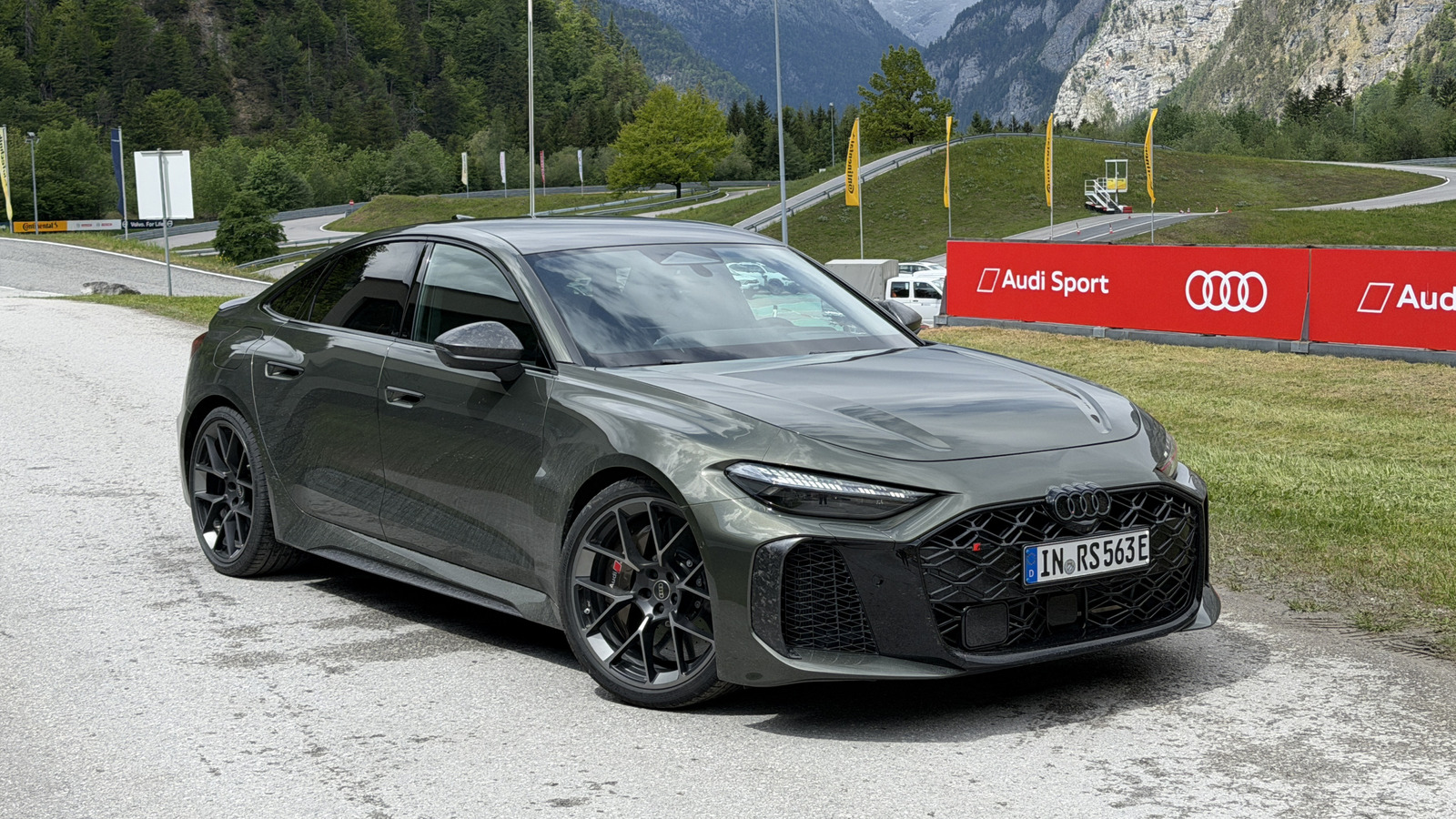
Audi's redesigned 2027 RS5 arrives with serious performance upgrades aimed at keeping the high-performance sedan relevant in a rapidly evolving market. The new model ditches the previous generation's 2.9-liter twin-turbo V6 in favor of a plug-in hybrid system that delivers 630 horsepower, a 40-horsepower bump over the outgoing car.
The real engineering story sits at the rear axle. An electromechanical torque-vectoring differential replaces the traditional setup, allowing Audi to send power independently to each rear wheel. This technology sharpens corner response and improves traction in ways mechanical differentials cannot match. The system works in concert with the PHEV powertrain to deliver what Audi engineers call superior handling character compared to the previous RS5.
The shift to hybrid power reflects industry-wide trends toward electrification even in performance cars. Porsche pioneered this approach with the Cayenne Turbo S E-Hybrid, proving that electric motors paired with combustion engines can enhance rather than dilute driver engagement. For the RS5, the electric motor fills torque gaps and enables torque vectoring features that wouldn't exist in a traditional ICE setup.
Audi's "Vorsprung Durch Technik" tagline, meaning "progress through technology," lives up to its name here. The torque-vectoring differential actively reduces understeer and can shuffle power distribution mid-corner, giving drivers more control over the sedan's line through technical sections. Combined with the PHEV's 630-hp output, the 2027 RS5 positions itself against BMW's M550i xDrive and Mercedes-AMG C63, both of which also employ hybrid powertrains for their latest generations.
Weight will be a consideration.