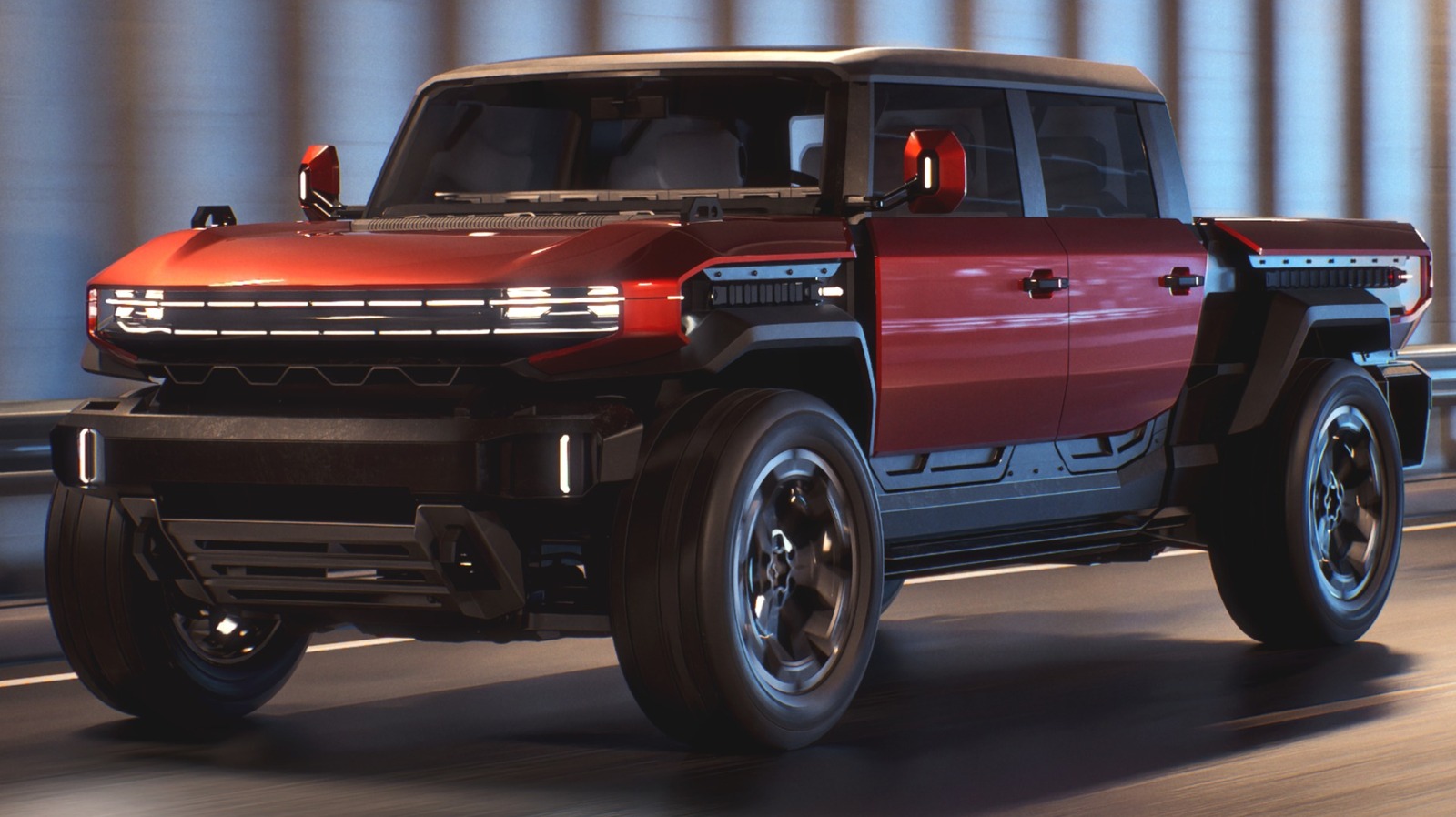
GMC rolled out two new Hummer concepts at a recent auto show, a smaller truck and SUV positioned in the mid-size EV segment. The automaker insists these vehicles exist purely as design exercises with zero production plans. Industry observers remain skeptical of that claim.
The concepts aim to "redefine what a mid-size EV can do off-road," according to GMC's positioning. The designs don't push extreme futurism. Instead, both vehicles look production-ready relative to typical concept cars. The proportions, details, and overall execution suggest GMC has invested serious engineering resources rather than simply building blue-sky fantasies.
This timing matters. GMC's current Hummer lineup consists only of the massive H2 SUV and the electrified Hummer EV pickup, both large and expensive. The mid-size EV truck and SUV market has exploded with competition from Rivian, Ford's upcoming electric Rangers and Broncos, and Chevrolet's Silverado EV and Blazer EV platforms. GMC parent General Motors clearly sees opportunity to capture more buyers who want off-road capability without full-size pricing and dimensions.
Automakers routinely use the "concept vehicle" label to test market reaction while preserving legal flexibility. When a design generates strong public interest and dealer feedback supports production feasibility, a concept frequently transitions to reality under different branding or timing. GMC's track record shows the brand launches vehicles relatively quickly after consumer response validates demand.
The skepticism toward GMC's "no production intent" statement reflects industry reality. The Hummer name carries prestige in the EV off-road space thanks to the successful H2 EV launch. Launching mid-size variants wearing the Hummer badge would slot logically into GMC's portfolio gaps. The concepts feature finished proportions and credible