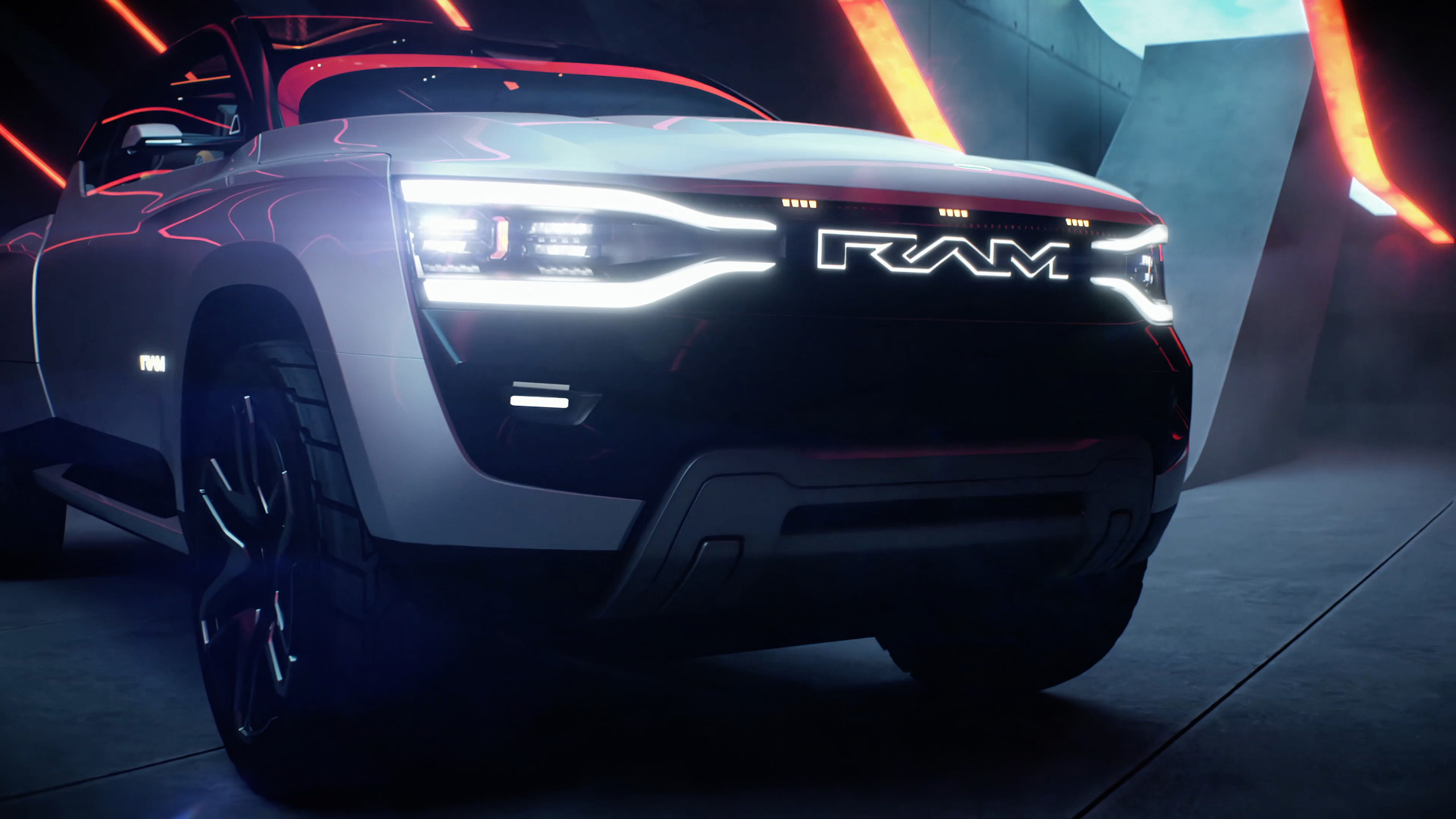
Ram's product strategy for its luxury SUV lineup deliberately separates the incoming Ramcharger and existing Grand Wagoneer to prevent internal cannibalization, according to CEO Tim Kuniskis in an exclusive interview.
The Ramcharger launches with V8 engines as its primary powertrain focus. Ram positions this full-size, three-row SUV as a performance and capability-first vehicle that attracts buyers seeking serious power and towing capacity. The V8-centric approach targets truck buyers upgrading to a premium SUV experience.
The Grand Wagoneer takes the opposite approach, centering on a turbocharged six-cylinder engine. This strategy positions the Grand Wagoneer as a more refined, luxury-focused alternative emphasizing driving dynamics and efficiency over outright performance. The turbo-six delivers adequate power for the upscale demographic while maintaining better fuel economy and reducing emissions.
Kuniskis explained that this powertrain split serves as a deliberate product segmentation tool. Buyers shopping between both vehicles will self-select based on their priorities. V8 buyers gravitate toward Ramcharger's muscular positioning. Luxury-minded buyers preferring sophistication and efficiency choose the Grand Wagoneer's turbo powerplant.
This strategy reflects broader industry trends where manufacturers carefully manage model overlap to maximize profit margins and prevent dealership conflict. Ram faces intense competition from Ford's Expedition and Chevrolet's Tahoe in the full-size SUV segment. Ensuring clear product differentiation prevents discounting wars that erode profits.
The Ramcharger's V8-first approach also addresses market demand. Consumers trading up from traditional Ram trucks expect traditional powertrains. A gasoline V8 signals continuity with the brand's heritage while the Grand Wagoneer's turbo-six targets a distinctly different buyer profile