Clean energy developers announced more than 50 new utility-scale solar, wind, and battery storage projects in the first quarter of 2026, driven by companies racing to meet federal deadlines tied to tax incentives from last year's legislation. The rush reflects both strength and fragility in America's renewable energy sector.
Project announcements spiked as developers worked against the clock on expiring tax credits and investment incentives. Solar, wind, and battery storage projects all benefited from accelerated timelines, with companies prioritizing permits and construction starts before deadlines closed. The surge reveals genuine market momentum in clean energy deployment.
However, the announcement spike masks underlying instability. When federal incentives expire or tighten, project pipelines typically contract. Developers pulled forward work that might have happened naturally over multiple years, concentrating investment into a narrower window. That creates boom-and-bust cycles rather than sustained growth.
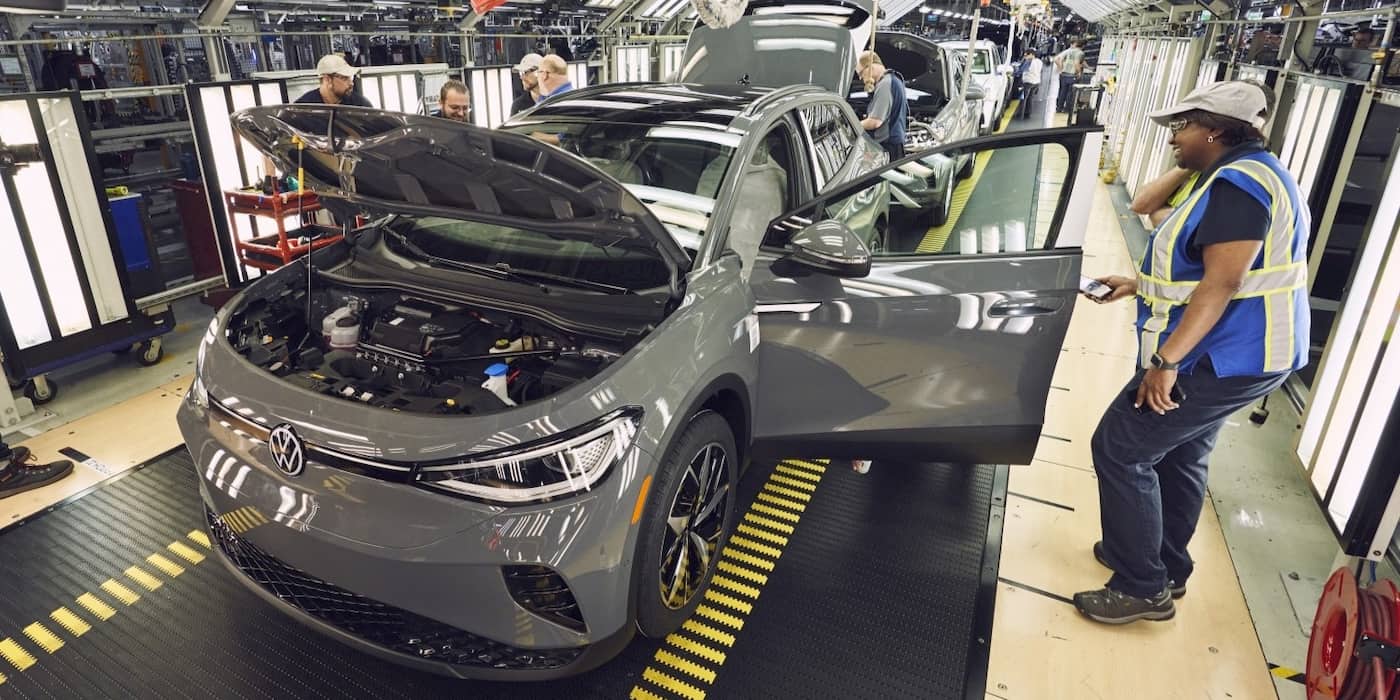
The automotive sector mirrors this pattern. Volkswagen and other legacy automakers committed heavily to EV production under incentive programs, only to pull back as market conditions shifted and subsidies faced uncertainty. ID.4 production halts and similar moves across the industry show how dependent newer technologies remain on government support structures.
For utilities and grid operators, this feast-or-famine cycle presents real challenges. Connecting dozens of battery storage and renewable projects simultaneously strains interconnection queues and supply chains. Once the deadline passes, projects slow dramatically, leaving grid operators with uneven investment patterns that complicate long-term planning.
The clean energy boom is real but conditional. It depends on policy continuity and sustained incentives rather than market fundamentals alone. Developers bet on federal support, accelerated project timelines accordingly, and now face potential slowdowns when that support recalibrates. Until clean energy projects become cost-competitive without subsidies across the full project lifecycle, these cycles will persist.