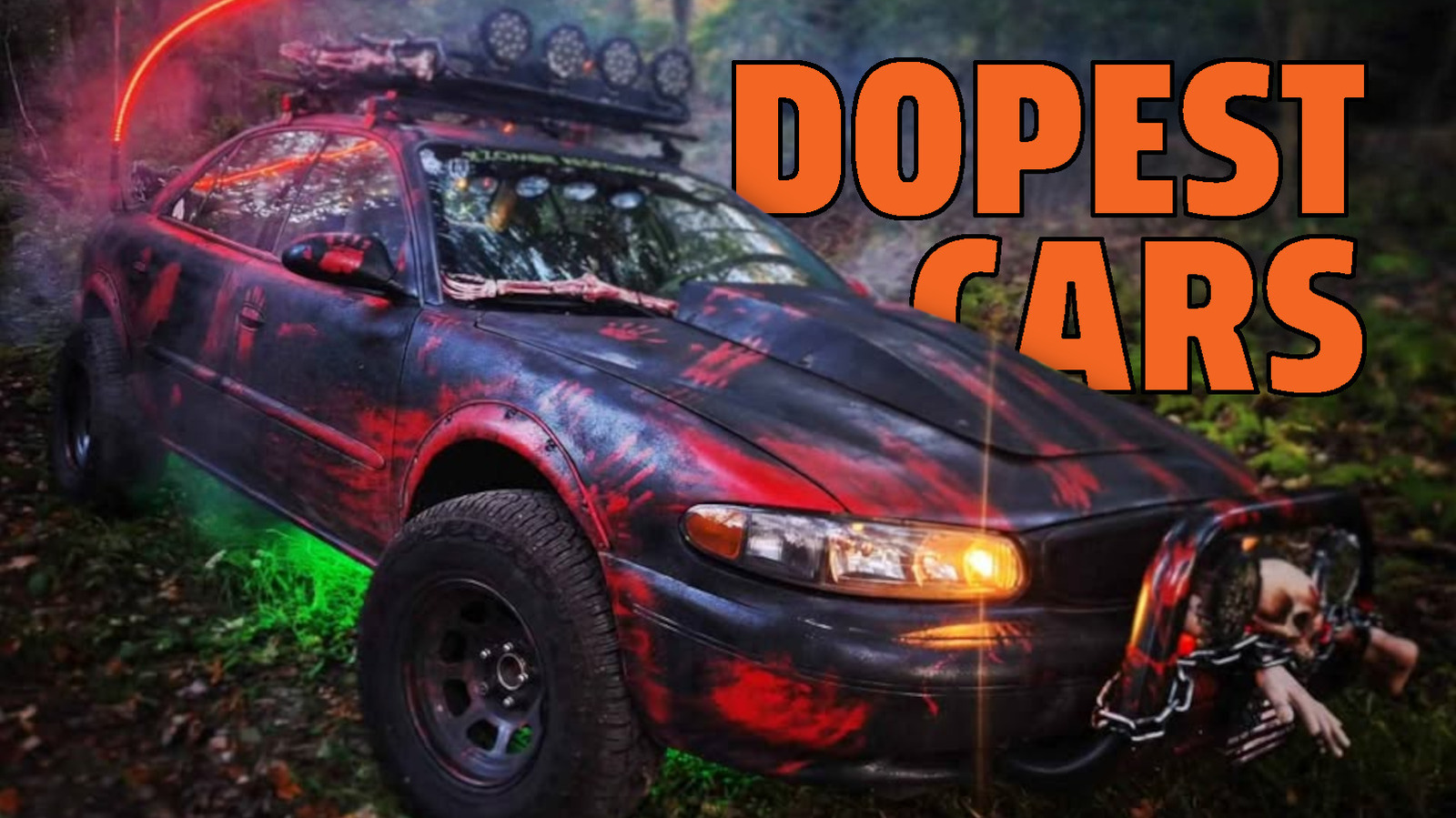
This roundup highlights three classic American vehicles spotlighting the breadth of collector car markets online. The Ford Thunderbird represents American luxury and style from the 1950s, the era when personal luxury coupes defined prestige motoring. Studebaker's Champion, a compact sedan produced from 1939 through 1958, embodied efficient, practical transportation for middle-class buyers. The Buick Century bridges both segments, offering mid-size performance and Dynaflow automatic transmission smoothness that made it a desirable daily driver across decades.
Each car reflects distinct market positioning. The Thunderbird competes in high-dollar nostalgia territory where condition and originality command premium prices. The Champion appeals to enthusiasts seeking underrated, overlooked designs with character absent from mainstream revival narratives. The Century occupies middle ground, affordable enough for hobbyists yet substantial enough to justify restoration investment.
Online marketplaces have democratized classic car shopping, moving inventory from locked dealerships into transparent digital catalogs where buyers compare specifications, pricing, and condition photos instantly. This shift benefits both sellers seeking broader audiences and buyers able to research thoroughly before committing. Jalopnik's curation celebrates the peculiar appeal of vehicles that failed to enter mainstream collector consciousness, yet possess genuine mechanical merit and aesthetic quirk.
These finds underscore a persistent truth in automotive collecting. Mainstream marques dominate auctions, but character vehicles—models that blended purpose with personality—often deliver better ownership experiences and financial value. The Thunderbird's design influence remains visible in modern personal luxury vehicles. The Studebaker's efficient packaging influenced subsequent compact designs. The Century's solid construction promises reliability that justifies restoration costs.
Finding these cars online requires patience and knowledge, but the reward transcends simple transportation. Ownership connects drivers to specific historical moments when these companies gambled on distinctive designs. Whether pursuing investment potential or simply