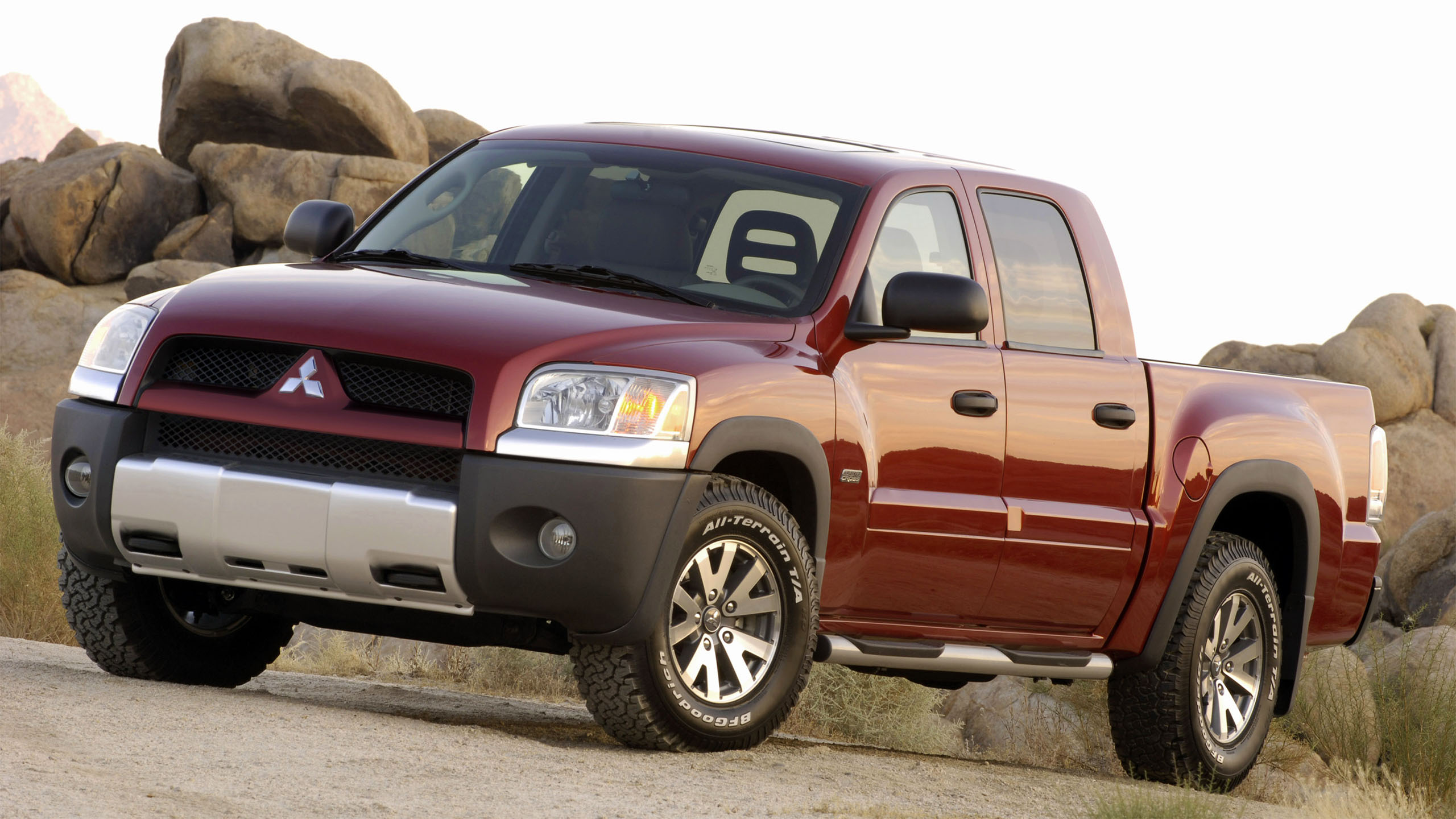
Mitsubishi is re-entering the North American truck market with a Nissan-derived midsize pickup truck, marking a significant pivot for the Japanese automaker. The company plans to compete directly in a segment where it has been absent for years, leveraging platform and powertrain technology from its Nissan partnership to accelerate development and reduce costs.
The midsize truck segment remains one of North America's most profitable categories. Ford Ranger, Chevrolet Colorado, and GMC Canyon dominate sales, but demand continues strong enough to attract new competitors. Mitsubishi's entry targets buyers seeking alternatives to established players, particularly those valuing the brand's reliability reputation and potential pricing advantages.
A new Montero SUV launch could follow the truck introduction. The legendary nameplate has been dormant in North America since 2006, though Mitsubishi has continued selling updated versions globally. Reintroducing the Montero addresses a market gap between midsize and full-size three-row SUVs where competitor options have proliferated.
This strategy reflects Mitsubishi's broader restructuring under Nissan's alliance oversight. The automaker has struggled with declining sales and market share in North America over the past decade. Rather than developing vehicles independently, Mitsubishi increasingly shares platforms and components with Nissan and Renault, improving efficiency without sacrificing product competitiveness.
The truck market remains attractive despite electrification pressures. Traditional internal combustion engines dominate truck sales, and consumer preference for new pickups shows no signs of weakening. Mitsubishi's Nissan-derived approach means the new truck likely uses proven architecture already adapted for North American regulations and consumer preferences.
Timing matters here. Mitsubishi moves as truck sales plateau after years of growth, but before the market potentially shifts toward electrified options. Establishing presence now positions the