Republicans are proposing new inspection fees targeting renewable energy projects, a move that would increase electricity costs for consumers while protecting fossil fuel interests. The fees would apply to solar, wind, and other clean energy infrastructure, adding regulatory expenses that developers would pass along to utilities and ultimately ratepayers.
The proposal reflects ongoing legislative efforts to slow renewable energy adoption despite falling costs. Wind and solar now undercut natural gas on price in most markets, making direct cost competition difficult for fossil fuel advocates. New fees represent an indirect approach to tilting economics back toward conventional power generation.
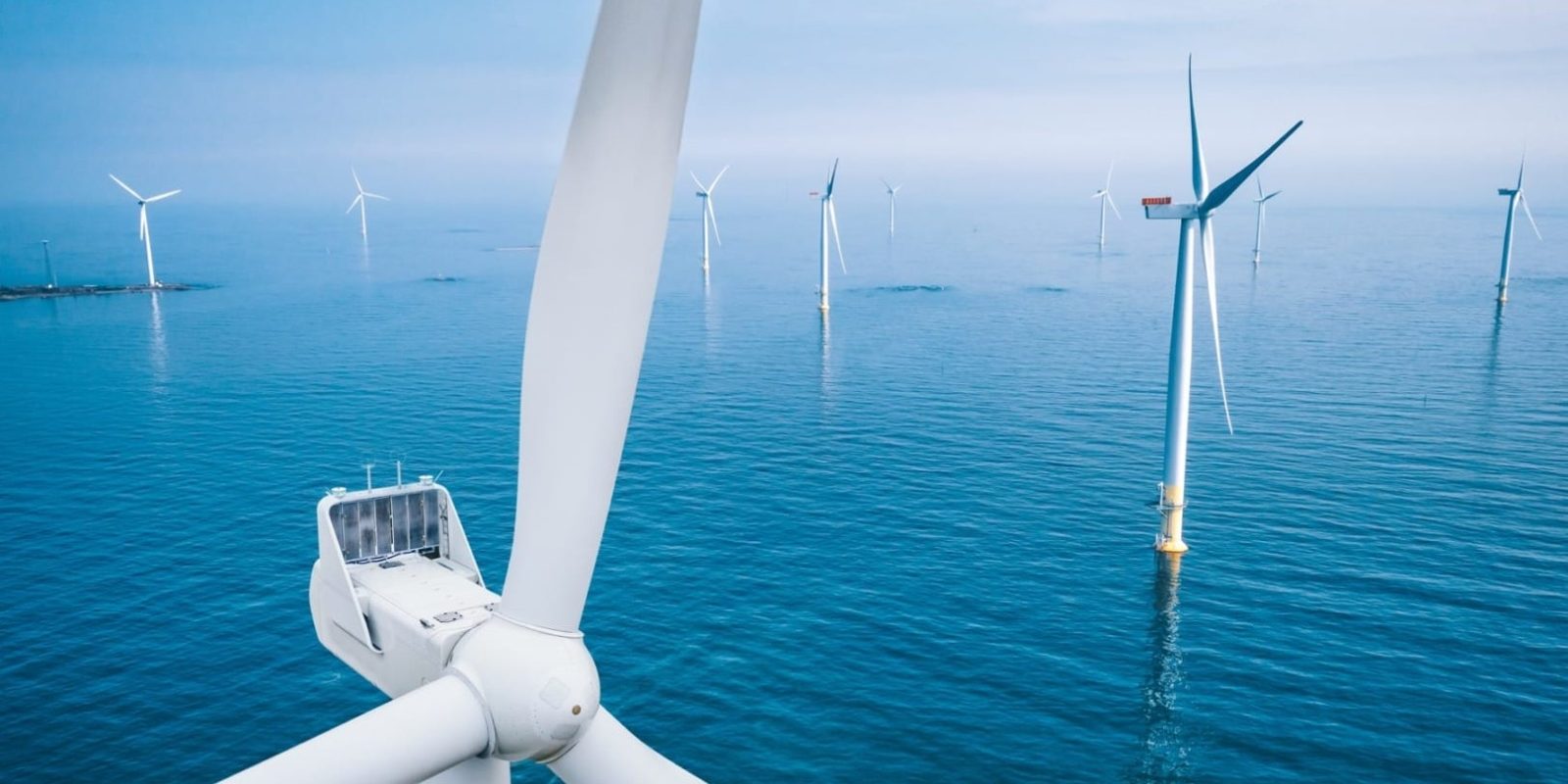
Offshore wind projects like Vineyard Wind face particular scrutiny under expanded inspection regimes. These projects already navigate complex permitting processes through the Department of Interior and Army Corps of Engineers. Additional inspection requirements would extend timelines and budgets, deterring future development even as offshore wind capacity remains underdeveloped compared to European deployments.
The timing compounds consumer pain. Electricity affordability already ranks among top household concerns. Rate increases from grid modernization, storm recovery, and fuel costs strain household budgets. New renewable inspection fees add another upward pressure on bills, contradicting claims that renewable opponents care about affordability.
From a competitive standpoint, the fees handicap American renewable manufacturers and installers against international competitors. Solar and wind companies operate on thin margins in competitive markets. Regulatory cost increases reduce their ability to bid competitively for large utility contracts, allowing imported equipment to gain market share.
Automotive manufacturers care about this directly. Automakers rely on increasingly renewable-powered grids to support EV charging networks and manufacturing facilities. Higher electricity costs raise vehicle production expenses and charging costs for buyers, both obstacles to EV adoption targets that manufacturers have publicly committed to meeting.
The proposal underscores that fossil fuel industry influence remains significant in energy policy despite renewable economics improving annually. Rather than competing on cost and performance, opponents use legislative mechanisms to artificially inflate clean energy expenses