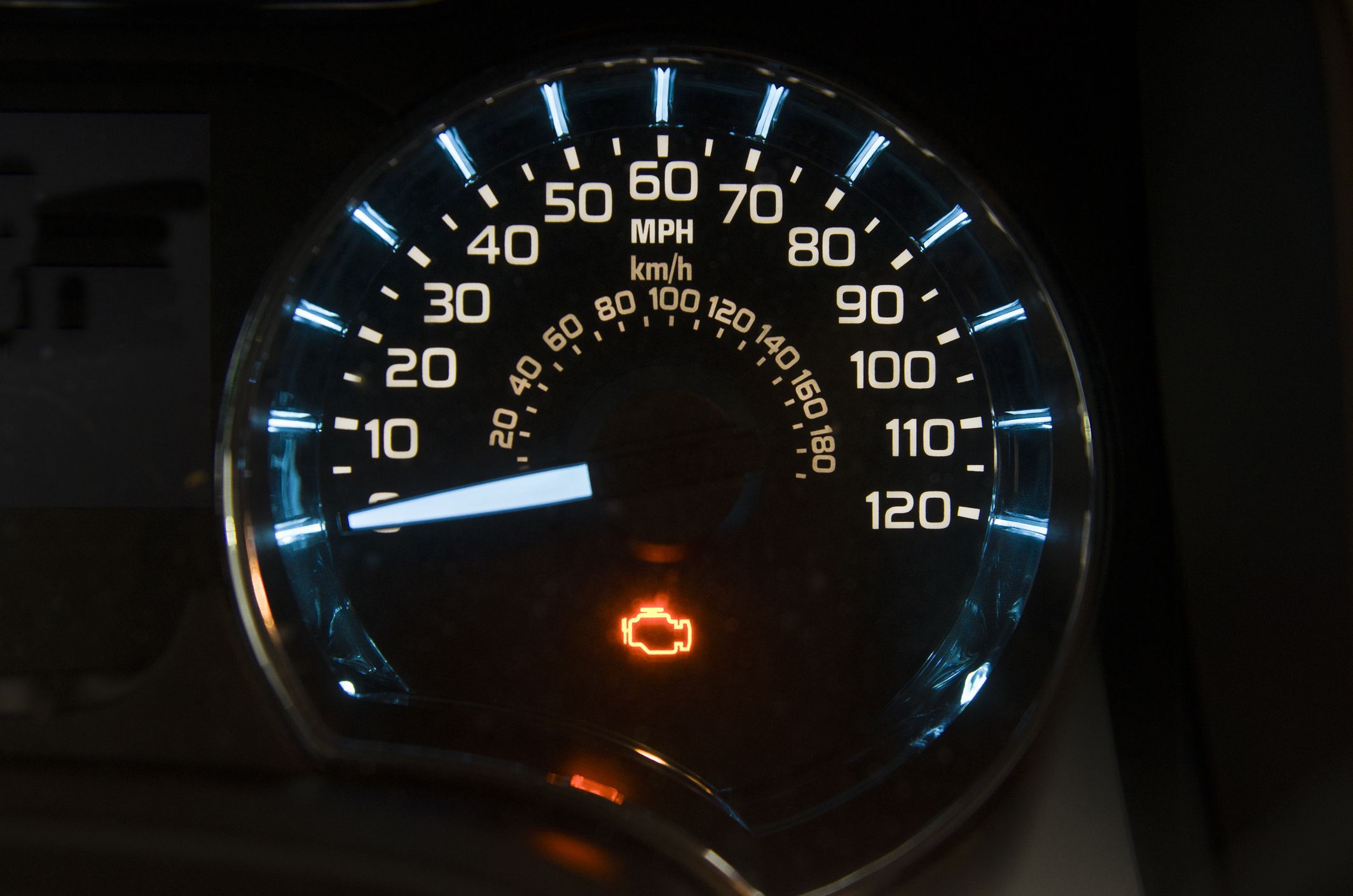
Resetting a check engine light without addressing the underlying problem ranks among the most counterproductive moves a car owner can make. The light illuminates because your vehicle's onboard diagnostic system detected a fault. Clearing it without fixing the issue means the problem persists, potentially worsening and causing costlier repairs down the road.
The check engine light connects to your car's OBD-II (onboard diagnostic) system, a standardized interface that monitors emissions, engine performance, and transmission function. When sensors detect trouble, they store a diagnostic trouble code. Simply erasing that code does nothing to solve what triggered it.
You can reset the light yourself in several ways. Disconnecting the negative battery terminal for 15 minutes drains the system's memory, though many modern vehicles reactivate the light within a few driving cycles if the problem remains. Removing the OBD-II fuse works similarly. Some auto parts stores offer free code readers that identify the specific fault, allowing you to decide whether the issue demands immediate attention or can wait.
The real move involves reading the code first. A P0171 code, for example, signals a lean fuel mixture, suggesting problems with oxygen sensors, fuel injectors, or the fuel pump. A P0300 code indicates random misfires, pointing toward spark plugs, coils, or fuel delivery issues. Knowing what the code means lets you assess severity and plan repairs.
Ignoring check engine lights invites disaster. Continuing to drive on a bad catalytic converter, failing transmission sensor, or degraded oxygen sensor turns a manageable repair into thousands of dollars in damage. Emission test failures also become likely, preventing vehicle registration renewal in many states.
The safest approach involves using an inexpensive OBD-II scanner to read the code, researching what it means, and determining whether to address it immediately or monitor the situation