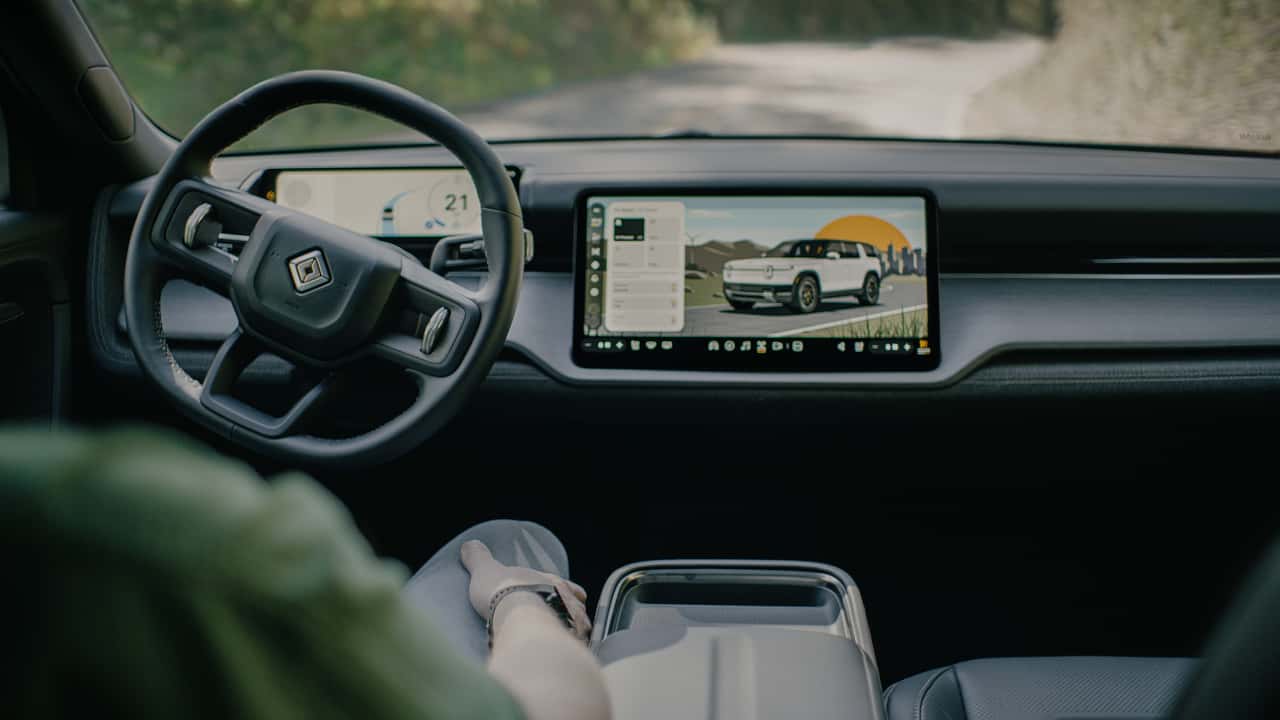
Rivian is dismissing the ongoing CarPlay integration debate by arguing that AI-powered voice assistants will render the technology obsolete. The electric vehicle maker contends that advanced voice control systems eliminate the need for smartphone mirroring solutions like Apple's CarPlay.
This stance reflects a broader industry shift toward AI-centric in-vehicle experiences. Rather than relying on smartphone integration, Rivian envisions vehicles with sophisticated voice assistants that handle navigation, entertainment, climate control, and communications without requiring driver input through traditional touchscreen interfaces.
The argument carries weight in the EV sector, where manufacturers increasingly differentiate themselves through software capabilities. Tesla pioneered this approach with its Autopilot and voice command systems, creating a template that competitors now follow. Rivian's R1T and R1S electric trucks and SUVs already feature advanced infotainment systems designed to minimize smartphone dependency.
However, Rivian's dismissal ignores current market realities. Millions of existing vehicles lack the AI sophistication needed to eliminate CarPlay utility. Consumers today expect seamless smartphone integration across all vehicle platforms. Apple and Google continue expanding their automotive partnerships because drivers actively want them.
The claim also underestimates consumer attachment to familiar ecosystems. iPhone users value CarPlay because it maintains continuity with devices they already trust. A transition to purely in-vehicle AI would require vehicles to match the reliability and responsiveness of mature smartphone platforms, a goal still years away for most manufacturers.
Rivian's position reflects confidence in its technology roadmap but potentially overestimates how quickly the industry will abandon proven integration standards. Voice assistants will undoubtedly become more capable, yet CarPlay likely persists as a fallback option for years. The company's approach works for early adopters willing to embrace new paradigms, but mainstream acceptance requires proven performance across diverse user needs and driving conditions.