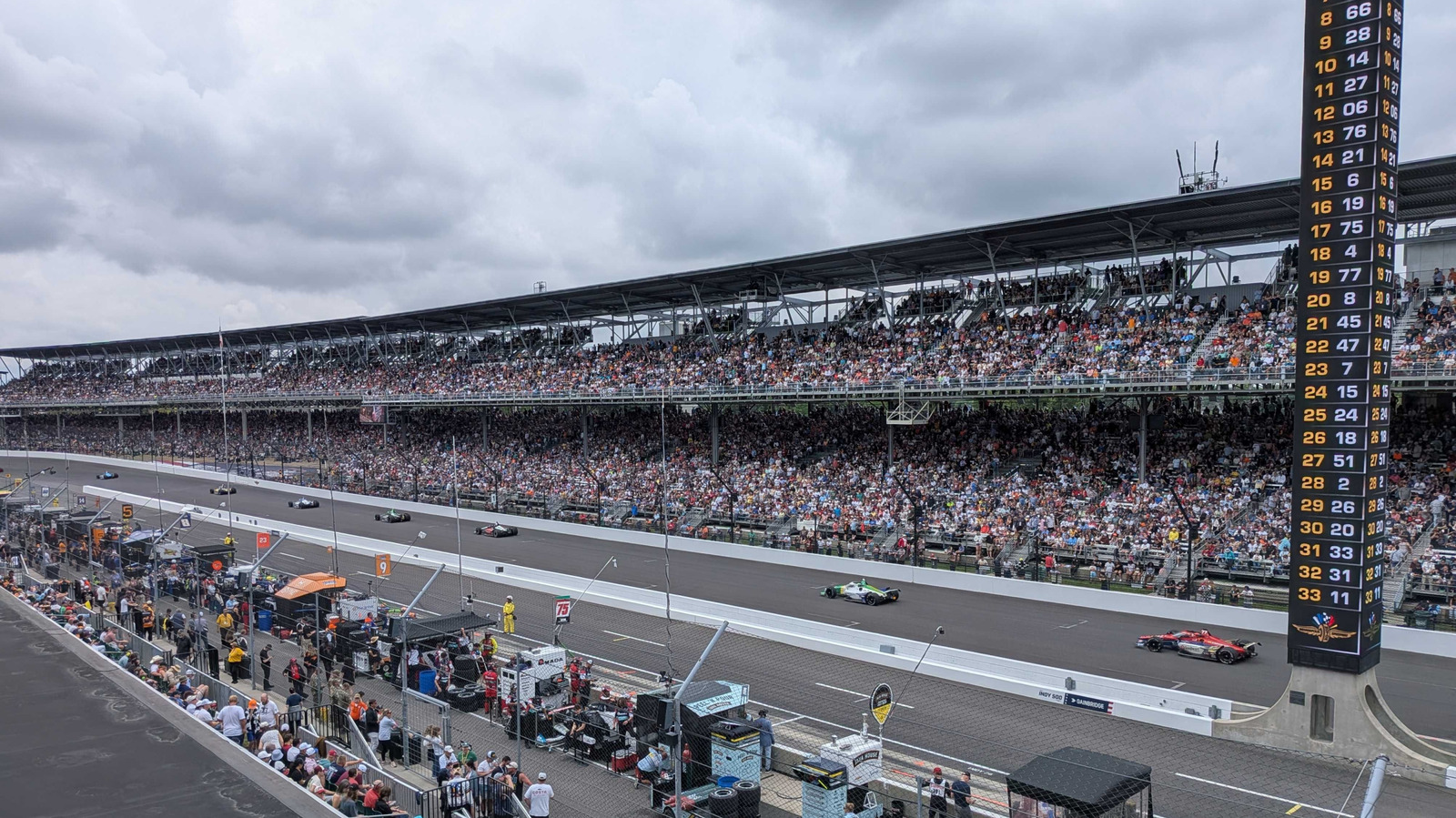
# The Indy 500 Remains a Family-Friendly Spectacle Despite Its Wild Reputation
The Indianapolis 500 draws more than 350,000 spectators annually, but the event's actual character differs sharply from its rowdy reputation. Jalopnik's reporting cuts through the mythology surrounding racing's most iconic event.
The Indy 500 functions as a legitimate family attraction. Attendees arrive with children, pack picnic baskets, and camp in the infield without incident. The racing itself—competitive, technically demanding, and historically significant—anchors the weekend experience. Drivers push open-wheel machines to the edge at speeds exceeding 230 mph on a 2.5-mile oval. The competition matters. Passing happens. Strategy plays out in real time.
Yes, some spectators drink heavily. Yes, the infield hosts rowdy crowds. But the broadcast-friendly narrative of unbridled chaos obscures what the majority of 350,000 attendees actually experience. Families claim seats in the grandstands. Casual fans watch from turn two. Many people attend for the history and the racing, not the party atmosphere.
The perception problem stems partly from selective storytelling. Media coverage amplifies the most colorful moments and most intoxicated fans. Social media concentrates the wildest behavior. The result: potential attendees assume the entire event mirrors the infield's most chaotic corners.
Reality proves more nuanced. The Indy 500 remains America's most-attended single-day sporting event by design—it accommodates diverse spectator profiles. You can watch some of the world's best racing drivers compete on equal terms. You can bring your family. You can enjoy the tradition stretching back to 1911. You can also, if that interests you, participate in the infield's looser atmosphere.
The track