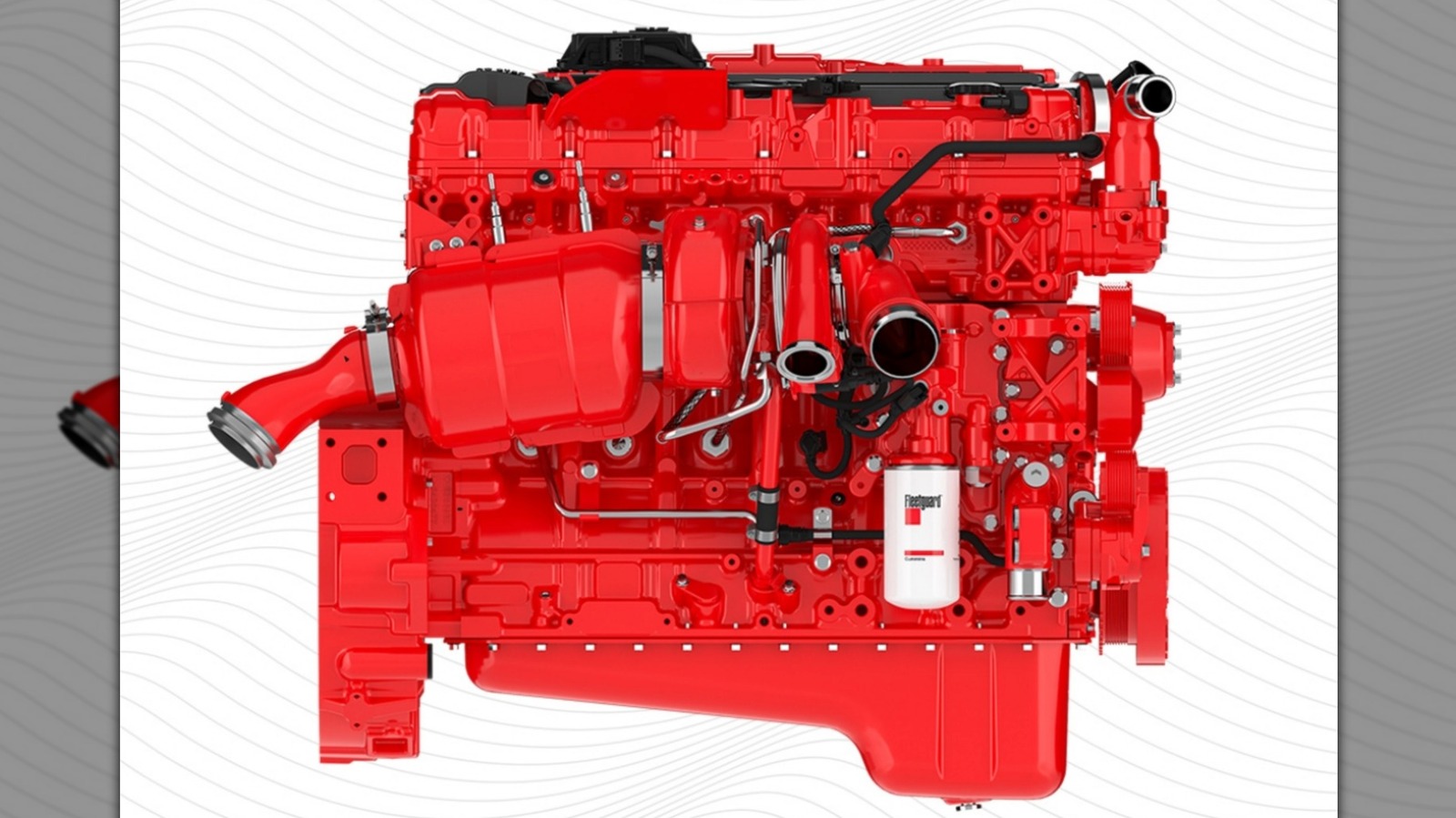
Cummins has engineered a gasoline engine that operates using diesel-style combustion principles, delivering the torque characteristics buyers expect from the brand's diesel lineup while running on regular gasoline. The company designed this unconventional powertrain to retain the high-torque output associated with compression-ignition engines.
The gas-burning Cummins addresses a fundamental industry shift. Diesel engines face increasing regulatory pressure and shrinking consumer demand in light-duty segments, yet manufacturers need to preserve the hauling and towing performance diesel buyers demand. Rather than downsizing and turbocharging conventional gasoline engines, Cummins chose to adapt its proven diesel architecture to spark ignition.
The benefits extend beyond raw torque. The engine promises reduced maintenance intervals compared to traditional diesels, eliminating the need for costly diesel-specific servicing like fuel system conditioning and exhaust fluid (DEF) top-ups. Owners avoid the premium fuel surcharge that diesel commands at the pump. Gasoline also provides better cold-start reliability in northern climates.
This engine represents Cummins' answer to a market reality. Ford, General Motors, and Stellantis all offer smaller, more efficient gas engines in their trucks and SUVs, trading some torque for improved fuel economy and lower emissions. Cummins has historically dominated the heavy-duty diesel segment and maintains strong brand loyalty among truck buyers who value towing capacity. A gas-powered Cummins engine preserves that brand equity while meeting regulatory requirements.
The technology carries risk. Gasoline engines operating under compression-ignition conditions require precise fuel injection timing and high-pressure systems. Any production-line inconsistency could trigger knock or detonation. Durability data from extended real-world use remains pending.
This engine likely targets mid-range trucks and full-size SUVs where buyers want