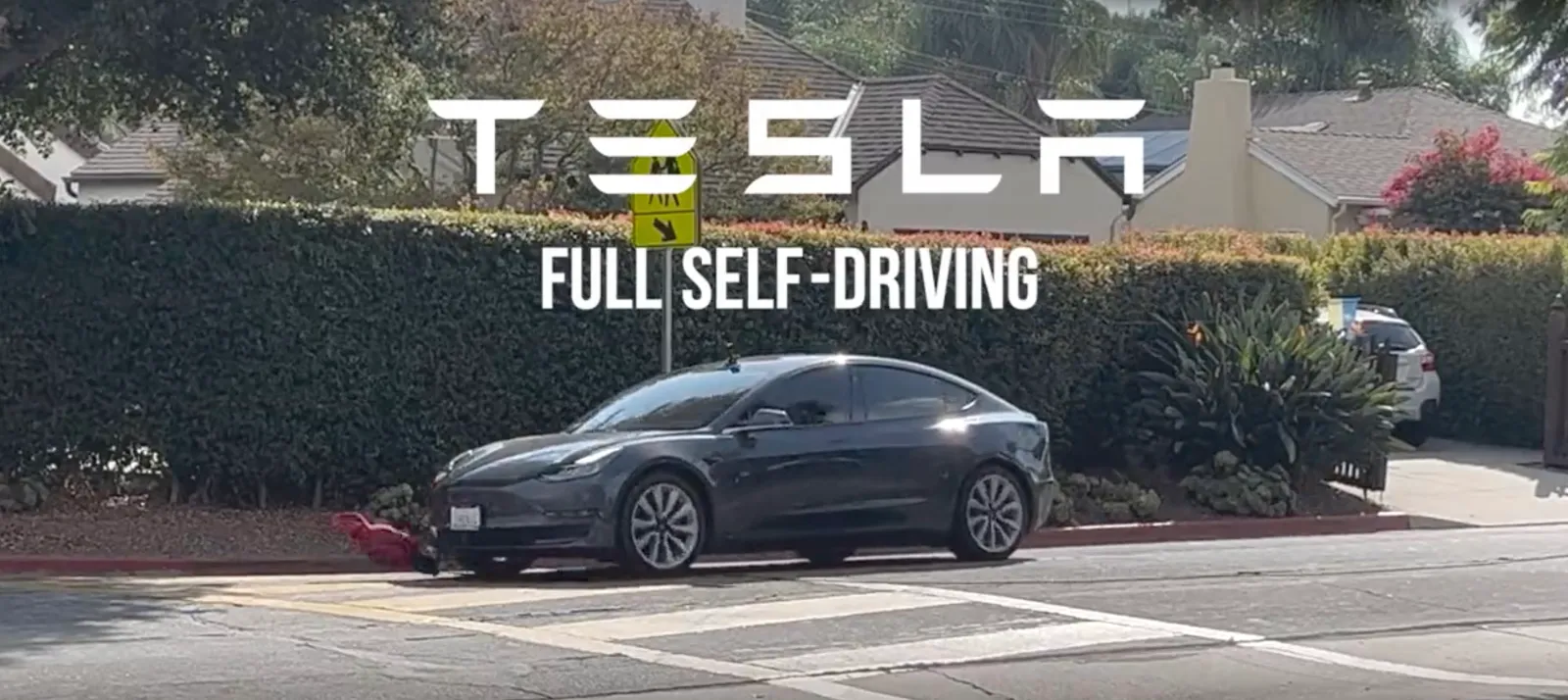
Tesla faces its first collective legal action in China over "Full Self-Driving" misrepresentation. A Beijing court heard arguments from 10 owners seeking 3.95 million yuan (roughly $583,000) in combined damages for fraudulent marketing claims. The case has expanded since its September filing, growing from seven to ten plaintiffs and represents the first coordinated consumer fraud lawsuit targeting Tesla's FSD promises in China.
The owners allege Tesla made false or misleading statements about autonomous driving capabilities when marketing vehicles equipped with the software. The lawsuit centers on whether Tesla's FSD branding and promotional messaging constituted deceptive practices under Chinese consumer protection law. This legal challenge emerges as Tesla's Full Self-Driving feature remains under regulatory scrutiny globally, with the company's own disclosures noting the technology does not make vehicles fully autonomous.
Tesla has positioned FSD as an advanced driver assistance system requiring active monitoring, yet the naming and marketing have drawn repeated criticism for overstating capabilities. In China, where Tesla generates significant revenue and operates a major manufacturing facility, regulators have grown increasingly skeptical of autonomous driving claims from foreign automakers. The company has faced similar criticism in North America and Europe regarding FSD nomenclature and actual functionality gaps.
The Beijing court's willingness to hear this case signals growing Chinese consumer protection momentum against tech-driven automotive marketing claims. Chinese regulators and courts have shown willingness to pursue aggressive enforcement against companies seen as misleading consumers on safety-related features. A ruling against Tesla could set precedent for additional claims and potentially trigger investigations by Chinese automotive regulators.
Tesla declined immediate comment on the proceeding. The next hearing date has not been announced. This case demonstrates how aggressive marketing of autonomous features continues generating legal liability across major markets, particularly when actual capability significantly lags promotional messaging.