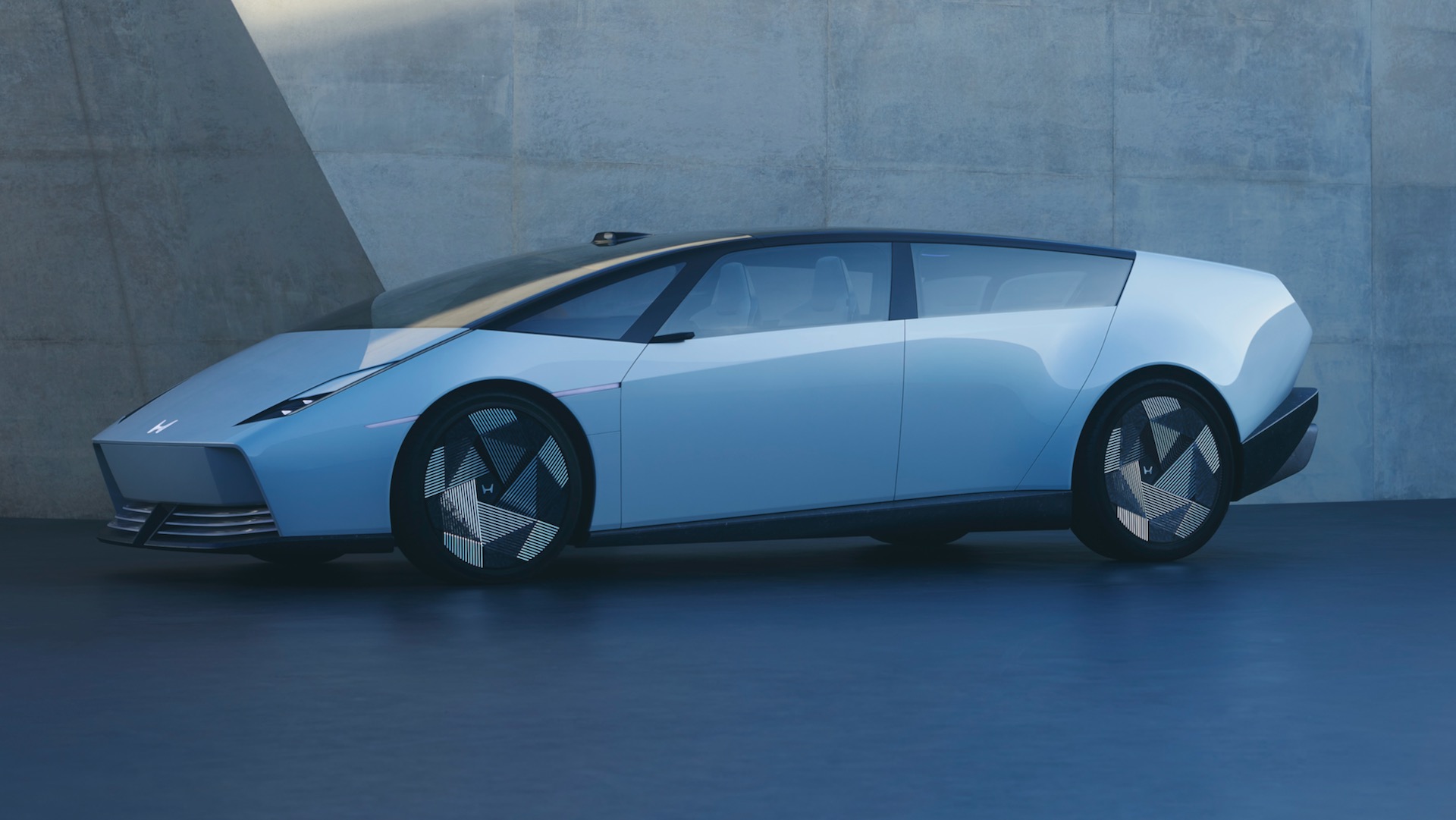
Honda's 0 Series Saloon concept demonstrates design principles that Ferrari arguably should have adopted for its Luce model, according to automotive design analysis. The Honda concept prioritizes immediate emotional impact through clean, purposeful styling that commands attention without requiring extended study.
The Ferrari Luce, by contrast, relies on subtle details and refined proportions that demand closer inspection to reveal its design merit. While this approach reflects Ferrari's heritage of nuanced craftsmanship, it represents a departure from the brand's historical formula of visceral, instantly recognizable aesthetics.
The Honda 0 Series Saloon delivers raw visual impact from every angle. Its proportions and surface language read clearly at speed or standing still. This directness mirrors what made classic Ferraris memorable. The Prancing Horse brand built its reputation on cars that generated emotional response before owners even sat inside.
Ferrari's contemporary design language has grown increasingly restrained. The Luce exemplifies this trend toward minimalism and subtlety. While such restraint shows design maturity, it risks diluting the brand's emotional core. Buyers choose Ferrari for passion and presence, not for details that reveal themselves over time.
The comparison raises broader questions about automotive design philosophy. Does luxury demand complexity and acquired taste, or should a car's greatness announce itself immediately? Honda's 0 Series concept suggests the latter approach still holds power.
Ferrari hasn't deviated from its formula through carelessness. Design director Flavio Manzoni and his team craft intentional, thoughtful shapes. The Luce's subtlety reflects deliberate choice, not limitation. Yet that choice distances the car from Ferrari's DNA of uninhibited expression.
The 0 Series Saloon may never reach production, but its design language offers Ferrari a useful lesson. Refinement need not mean restraint. Bold surfaces and confident proportions can coex