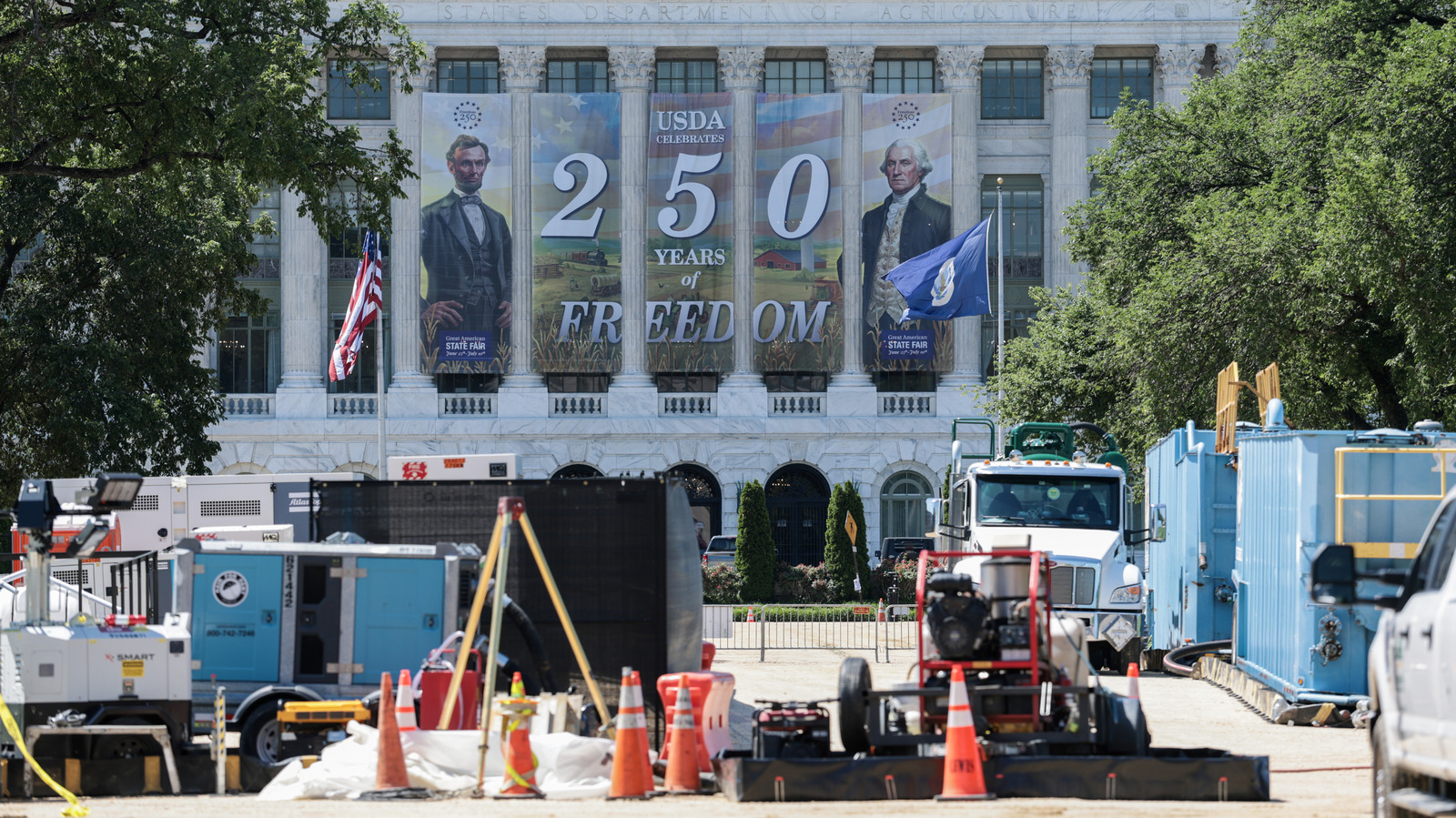
A 30-gallon diesel fuel spill contaminated irrigation water supplying the National Mall's grass during the Freedom 250 motorsport event in Washington, D.C. Event organizers attributed the incident to vandalism rather than operational negligence.
The spill entered the irrigation system that maintains the turf surrounding America's most prominent civic space, raising immediate environmental and public health concerns. The National Mall hosts millions of visitors annually and serves as the setting for major national events, making any contamination serious.
Organizers' vandalism claim requires scrutiny. Motorsport events generate significant fuel handling and storage, creating multiple spill vectors. Whether the diesel entered the irrigation supply through sabotage or inadequate containment protocols remains unclear from available details. Either scenario reflects operational risk at high-profile events held in sensitive locations.
The incident highlights the tension between hosting large automotive events and protecting critical public infrastructure. The Freedom 250, tied to July 4th celebrations, draws major manufacturers and enthusiast participation. Running such events on or near the National Mall compounds logistical complexity and environmental liability.
Environmental recovery depends on diesel concentration and treatment intervention speed. Diesel in irrigation systems poses risks to soil microbiota and groundwater. Cleanup costs and liability allocation typically fall to event organizers, sponsors, or the vandal if identified.
This spill underscores why motorsport events require rigorous environmental controls and monitoring. Fuel containment, secondary barriers, and real-time spill detection systems are standard practice at responsible venues. The National Mall's iconic status demands the highest safety and environmental standards from any event operator using its infrastructure.