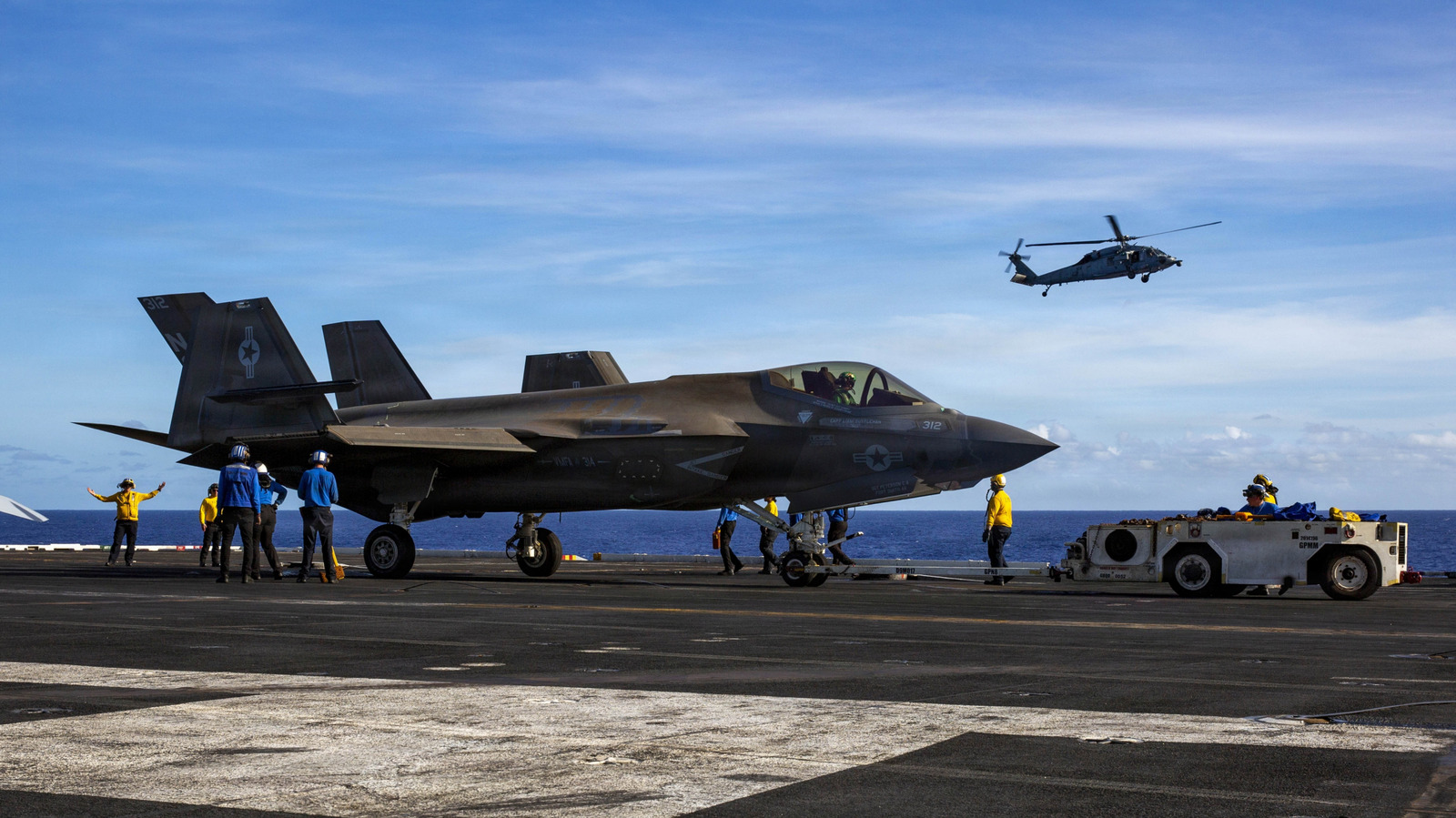
The U.S. Department of Defense faces budget constraints tied to rising fuel costs, forcing military branches to reduce operational spending on vehicle travel and training exercises. Personnel across all service branches report cutbacks in routine driving missions and cross-base transportation that traditionally sustained readiness levels.
The squeeze affects training most visibly. Combat units conduct fewer tank and vehicle maneuvers. Aviation squadrons log fewer flight hours. Support logistics operations reduce their mileage and deployment frequency. These aren't theoretical concerns. Training degradation directly impacts soldier preparedness, vehicle maintenance schedules, and crew proficiency with equipment like the M1 Abrams tank and various tactical trucks.
The Pentagon consumes roughly 325,000 barrels of oil daily across its fleet of helicopters, jets, ships, and ground vehicles. Fuel expenses rank among the military's largest operational costs. When petroleum prices spike, budgets get squeezed hard. Fuel spending crowds out maintenance allocations, parts inventory, and yes, training opportunities that keep personnel sharp.
This mirrors broader civilian challenges. Fleet operators across construction, transportation, and agriculture face identical pressures. High diesel prices force difficult trade-offs between keeping equipment running and keeping crews trained.
For the military specifically, the consequences ripple beyond simple budget math. Fewer training hours mean less experience for pilots and drivers. Mechanics get less hands-on time maintaining complex systems. Unit cohesion suffers when teams train together less frequently. These gaps accumulate over quarters and fiscal years.
The Pentagon leadership faces an uncomfortable reality shared with every large fleet operator. Fuel represents an uncontrollable variable that consumes budget dollars regardless of strategic priorities. Unlike personnel costs or equipment procurement that leaders can plan and adjust, fuel prices respond to global market forces, geopolitics, and refinery capacity.
Meanwhile, vehicle electrification offers no quick fix. The military operates specialized equipment that requires specific performance characteristics.