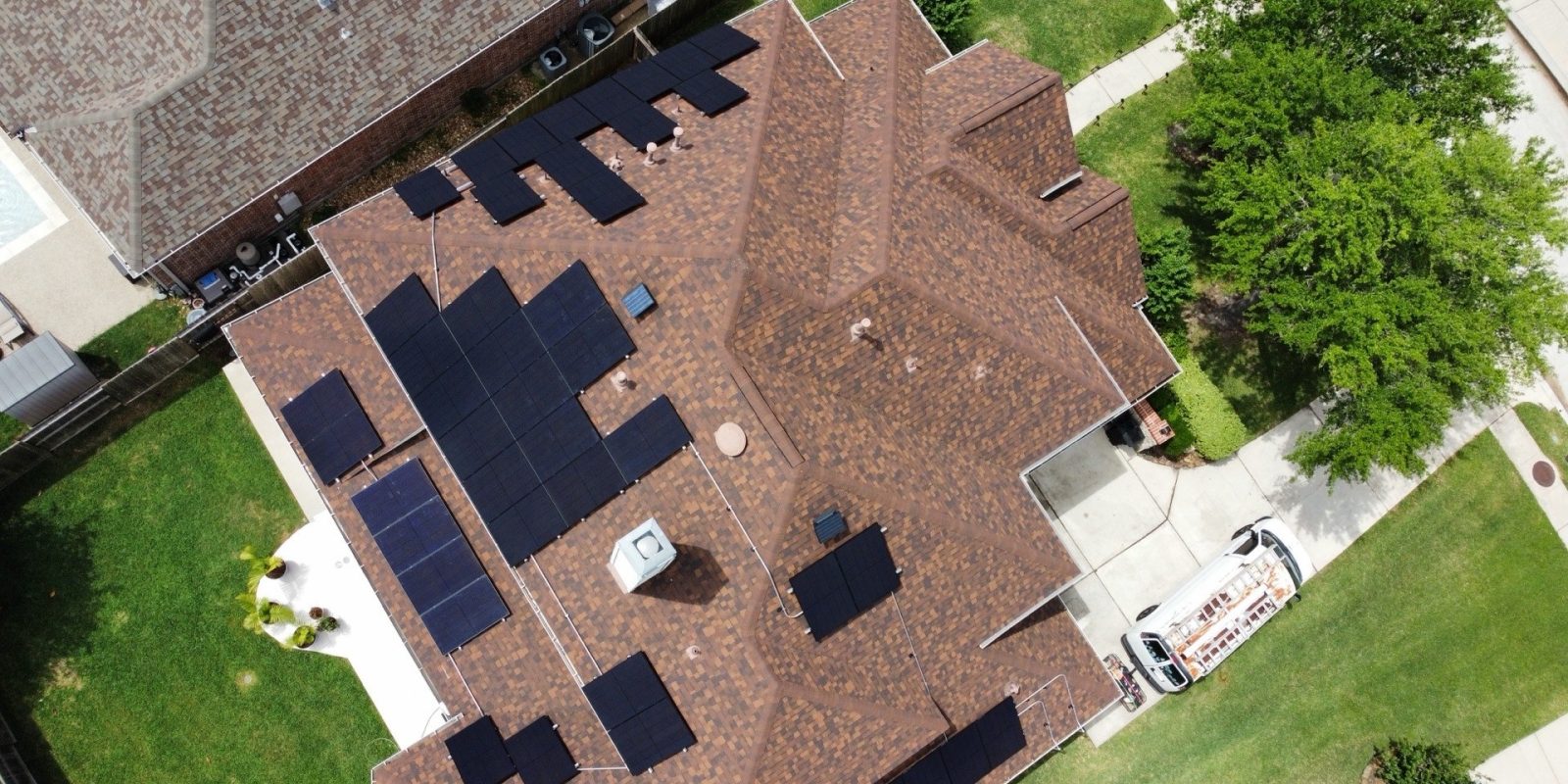
Houston homeowners now have access to a solar and battery storage bundle priced at 6 cents per kilowatt-hour, eliminating the need for traditional long-term financing agreements. The offering combines rooftop solar panels with energy storage without locking customers into decades-long loans.
This pricing undercuts conventional utility rates in Texas and represents a shift in how solar companies approach customer acquisition. Rather than requiring 20 or 25-year purchase agreements, the bundle model offers flexibility. Homeowners avoid upfront installation costs and the commitment burden that has historically deterred solar adoption despite Texas's abundant sunlight.
The 6 cents per kWh figure positions solar-plus-storage as cost-competitive against grid electricity for many Houston consumers, where average residential rates hover higher. Battery storage adds particular value in Texas, where summer peak demand and grid stress events create pricing volatility. Pairing panels with batteries lets homeowners store midday solar generation and deploy it during peak evening hours when rates spike.
This approach directly challenges the solar finance model that dominated the industry for two decades. Companies like Sunrun and Vivint have built trillion-dollar valuations on customer acquisition loans. Offering shorter-term or subscription-style arrangements threatens that model but opens markets to consumers uncomfortable with 25-year commitments.
The Texas market specifically has seen rapid residential solar growth, with Houston leading state installations. Utilities have responded by raising grid connection fees and reducing net metering credits, making behind-the-meter batteries increasingly attractive. Energy storage turns solar from a generation asset into a complete energy management solution.
This bundle model likely signals how the residential solar industry will evolve as battery costs continue declining and grid economics shift. Customers gain flexibility. Installers reduce financing risk. The math works at 6 cents per kWh in a state where summer afternoon solar production aligns with high-value electricity hours. Houston