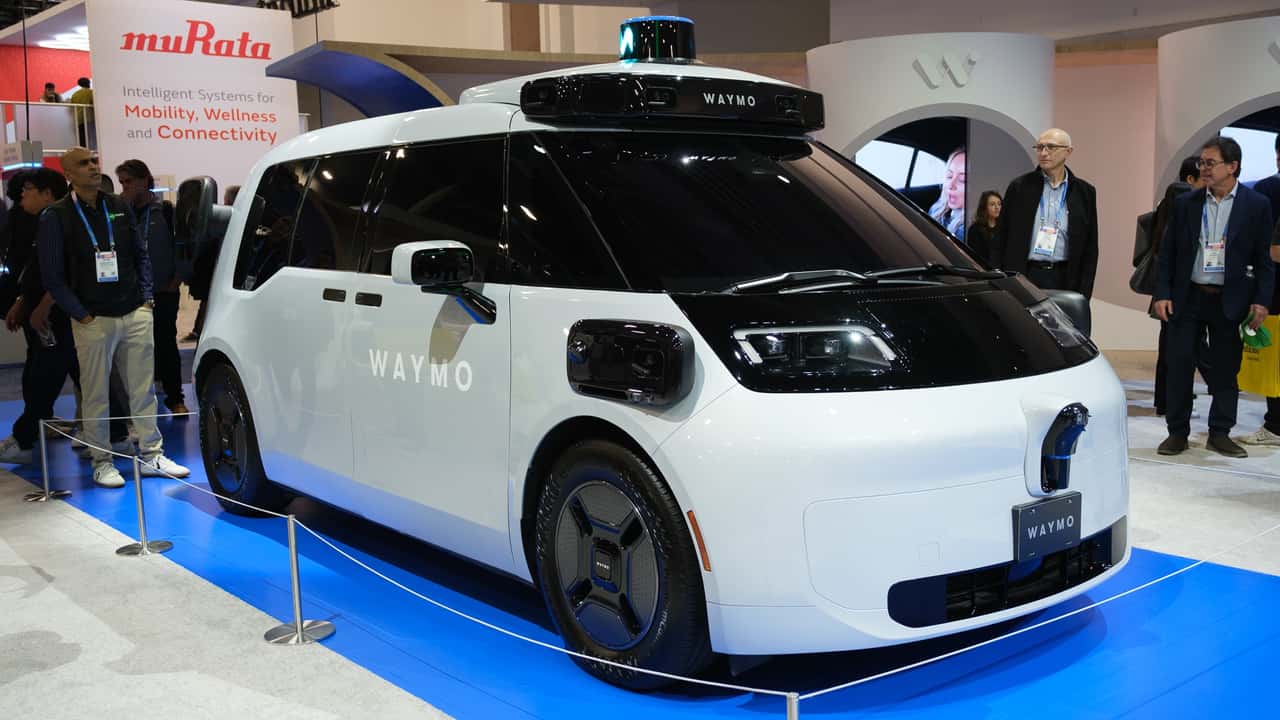
Waymo has partnered with B2U Storage Solutions to recycle batteries from its autonomous vehicle fleet into stationary energy storage systems. The agreement addresses a growing challenge in the EV industry: managing worn-out battery packs after their automotive lifespan ends.
Waymo's robotaxis accumulate considerable mileage, gradually degrading battery capacity. Rather than scrapping these packs, the partnership redirects them to second-life applications where slightly reduced energy density remains perfectly acceptable. B2U Storage Solutions will refurbish and redeploy these batteries in grid-scale energy storage, backup power systems, and other stationary applications.
This approach extends battery value while reducing waste. A pack that no longer meets an autonomous vehicle's performance requirements often retains 70 to 80 percent capacity, making it viable for stationary storage where consistent output matters more than peak performance.
The deal reflects industry-wide recognition that battery recycling and second-life strategies are economically and environmentally essential. Tesla, GM, and BMW have pursued similar programs. Stationary storage applications face soaring demand as utilities and businesses increasingly deploy battery systems to manage grid stability and support renewable energy integration.
For Waymo, the partnership also improves unit economics on its robotaxi fleet. Battery costs represent a substantial portion of autonomous vehicle expenses. Monetizing retired batteries through resale offsets acquisition costs and strengthens the overall business model.
B2U Storage Solutions specializes in transforming used EV batteries into grid assets. The company aggregates packs from multiple sources, tests performance, and integrates them into systems for commercial customers. This model scales efficiently and helps stabilize battery supply chains for energy storage manufacturers.
The timing matters. Energy storage demand is accelerating faster than new battery production can supply. Recycled and second-life batteries fill gaps in the market while supply chains mature. As EV fleets age