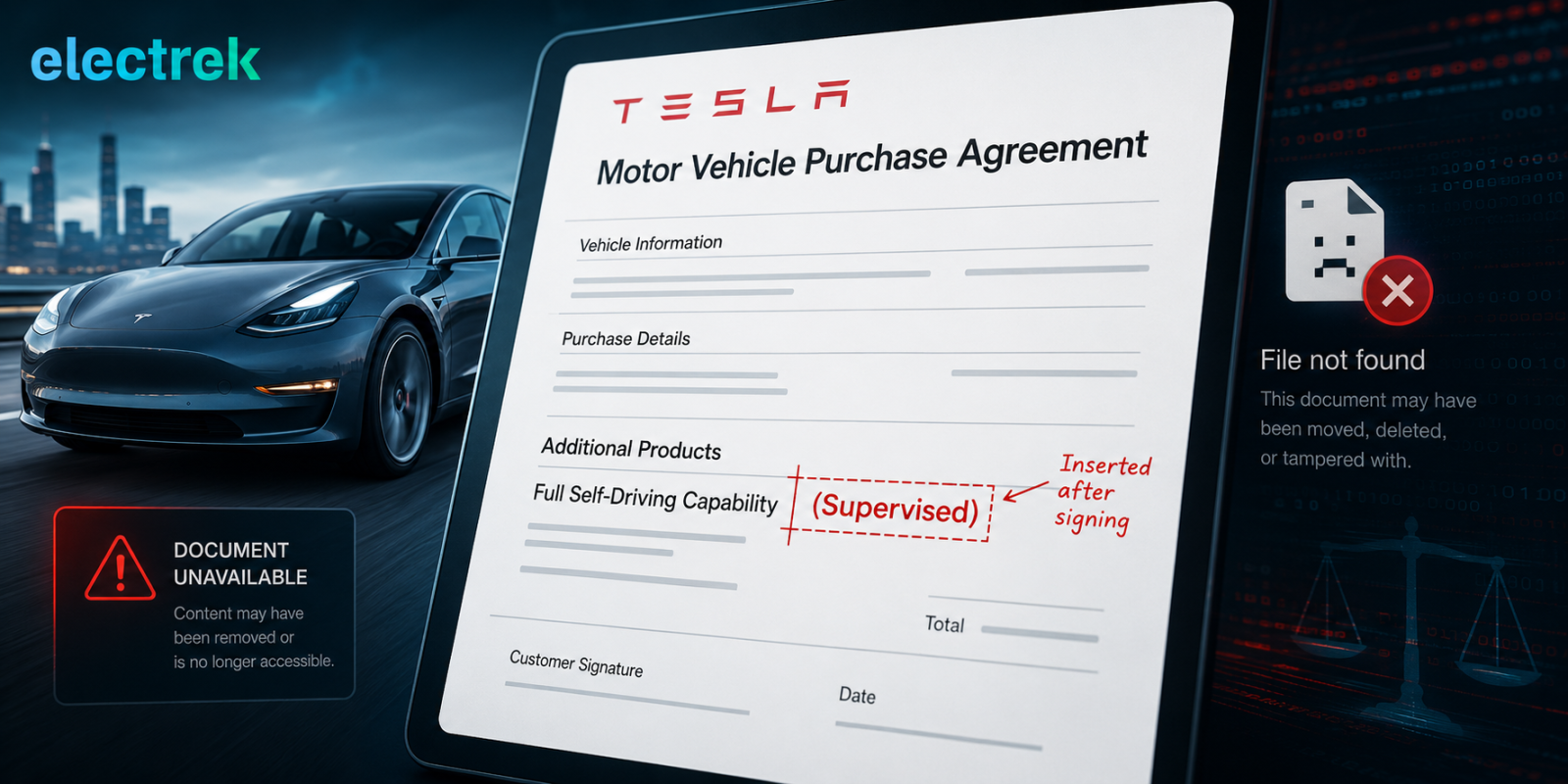
Tesla faces allegations of retroactively altering Full Self-Driving documentation in what critics characterize as an effort to obscure evidence of misleading claims. The automaker has modified historical records related to FSD capabilities, raising questions about transparency in how the company communicates autonomous driving features to customers and regulators.
Meanwhile, Caterpillar continues expanding its electrification push into the construction equipment sector. The heavy machinery manufacturer is developing battery-powered alternatives to traditional diesel-powered dozers, excavators, and haul trucks. CAT recognizes that construction sites increasingly demand zero-emission equipment to meet climate commitments and comply with tightening emissions regulations in major markets. The company's electrified lineup targets both rental fleets and direct buyers looking to reduce operational costs through lower fuel and maintenance expenses.
On the policy front, the residential solar investment tax credit stands at 30 percent but faces a ticking clock. The federal incentive is scheduled to phase down significantly, creating urgency for homeowners considering rooftop installations. The credit window closes faster than many realize, making 2026 potentially the final year to capture the full subsidy before it shrinks.
Tesla's documentation changes reflect broader tensions in the autonomous vehicle industry. Full Self-Driving marketing claims have drawn scrutiny from federal regulators and consumer advocates who question whether the system's actual capabilities match its name and promotional messaging. Retroactively modifying records compounds these concerns by suggesting the company aims to rewrite its own history rather than defend its original statements.
Caterpillar's construction equipment electrification matters because it signals how traditional heavy industries recognize the EV transition isn't limited to passenger vehicles. Construction accounts for substantial emissions globally, and equipment makers face growing pressure from customers, municipalities, and regulations to offer clean alternatives.
The solar tax credit deadline carries real urgency for installers and homeowners planning projects. Once the credit dimin