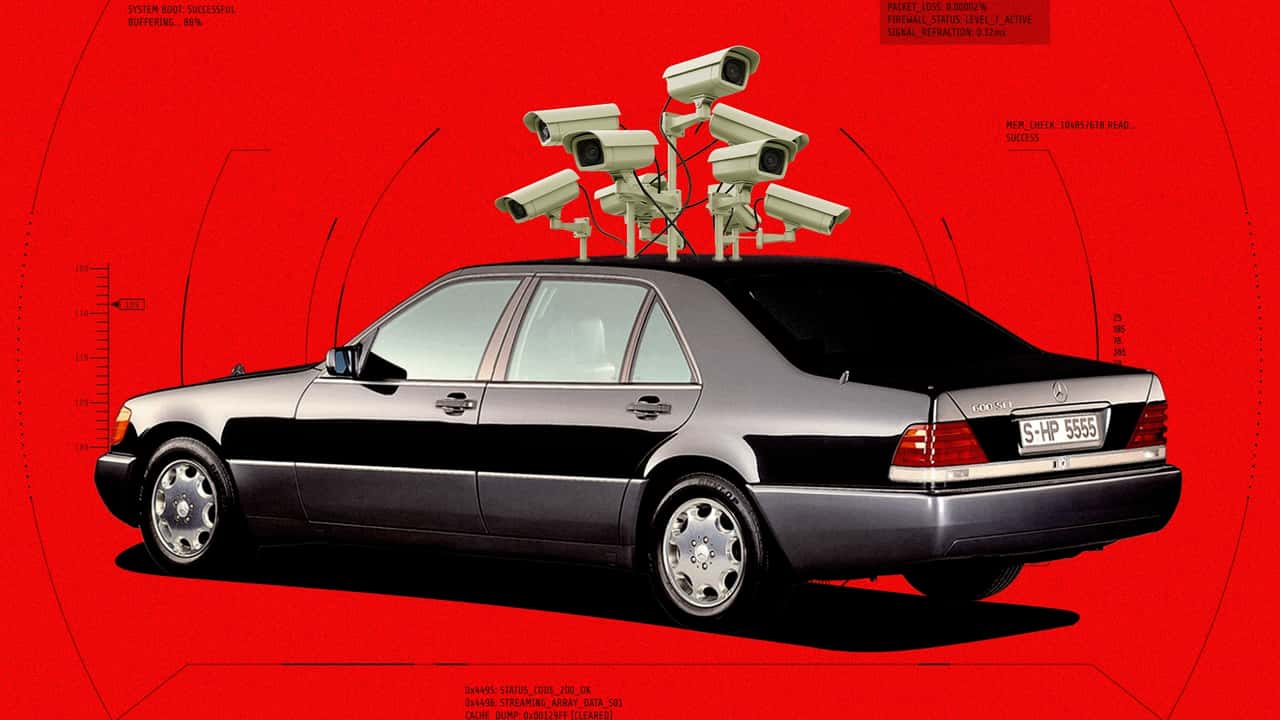
Mercedes-Benz achieved autonomous driving on the Autobahn in 1994, predating Waymo and Tesla's modern efforts by over two decades. The company deployed a specially modified S-Class van equipped with cameras and onboard computers to navigate German highways without human intervention.
This pioneering system relied on machine vision technology and computational processing that was remarkably sophisticated for its era. Mercedes engineers mounted cameras on the vehicle to capture road imagery, then processed that data through computers to make steering and throttle decisions. The van successfully demonstrated hands-off driving at highway speeds, proving the core concept worked long before autonomous vehicles became a consumer conversation.
The 1994 project emerged from Mercedes' research division, not a production program. Engineers treated it as a proof-of-concept that autonomous driving was technically feasible, even with 1990s computing power. The achievement received limited publicity outside automotive circles at the time, overshadowed by concerns about liability, regulation, and whether consumers would ever accept driverless cars.
Fast forward three decades. Waymo spent over a billion dollars developing Level 4 autonomous systems for robotaxi fleets. Tesla championed Full Self-Driving beta features, though the company's claims about autonomy levels remain contentious with regulators. Meanwhile, traditional automakers like BMW, Mercedes, and General Motors invested heavily in self-driving research, sometimes acquiring autonomous tech startups to accelerate development.
The Mercedes 1994 experiment reveals an inconvenient truth: autonomous driving technology itself has existed longer than most people realize. What changed wasn't capability breakthroughs so much as computing power, sensor affordability, real-world data collection at scale, and corporate capital willing to subsidize development losses.
Mercedes' historical accomplishment underscores why today's self-driving race hinges less on whether the technology works in controlled environments and more on whether companies can deploy it safely and