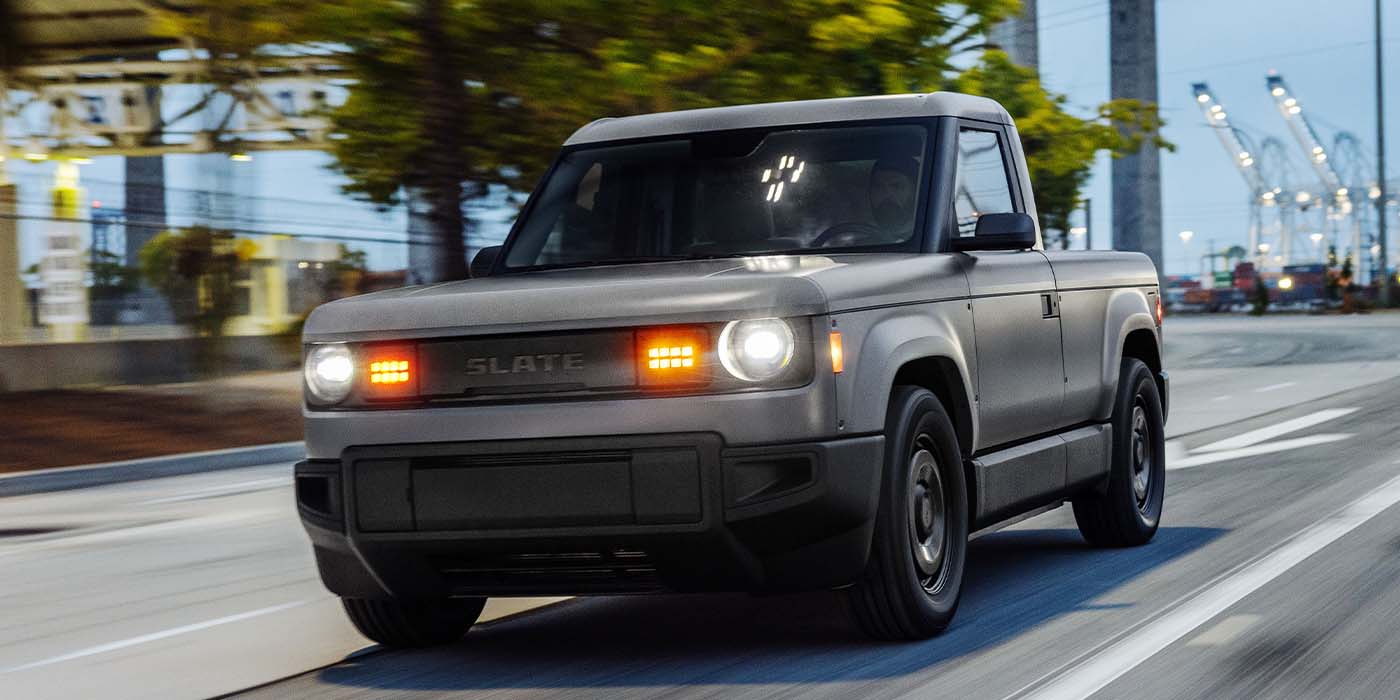
Carvana is positioning itself as the retail backbone for new EV brands seeking to bypass traditional franchise dealer networks. The online auto retailer is backing Slate, an emerging electric vehicle manufacturer, as part of a broader strategy to capture the next generation of automotive sales channels.
Slate joins Scout as an EV startup explicitly rejecting the franchise dealership model. Both brands need distribution infrastructure outside the legacy system. Carvana offers exactly that. The company operates hundreds of vending-machine-style pickup locations and a fully digital sales platform, eliminating the showroom overhead that traditional dealers require.
This partnership reveals Carvana's real play. The company spent years fighting the franchise dealer lobby and state-level dealer protection laws. Direct-to-consumer sales remain legally restricted in many states. By becoming the retail partner for new EV brands, Carvana circumvents these barriers entirely. It's not acting as a manufacturer. It's the fulfillment and delivery arm for brands that lack physical dealership networks.
Slate likely benefits from Carvana's logistics expertise, consumer trust, and existing pickup infrastructure. The EV startup avoids the capital costs of building its own dealership footprint. Carvana gets a steady stream of premium inventory and a strategic alliance with a brand building market awareness.
The arrangement signals a structural shift in how vehicles reach consumers. Traditional franchises won't disappear overnight, but the model is fractured. Tesla proved direct-to-consumer works. Now Scout and Slate are proving it at scale, with third-party retailers like Carvana filling the service gaps.
For Carvana, this is survival strategy dressed as growth opportunity. The company's core used-car business faces Amazon's growing logistics advantage and narrowing dealer-acquisition networks. Partnering with new EV brands gives Carvana relevance in an industry transforming faster than