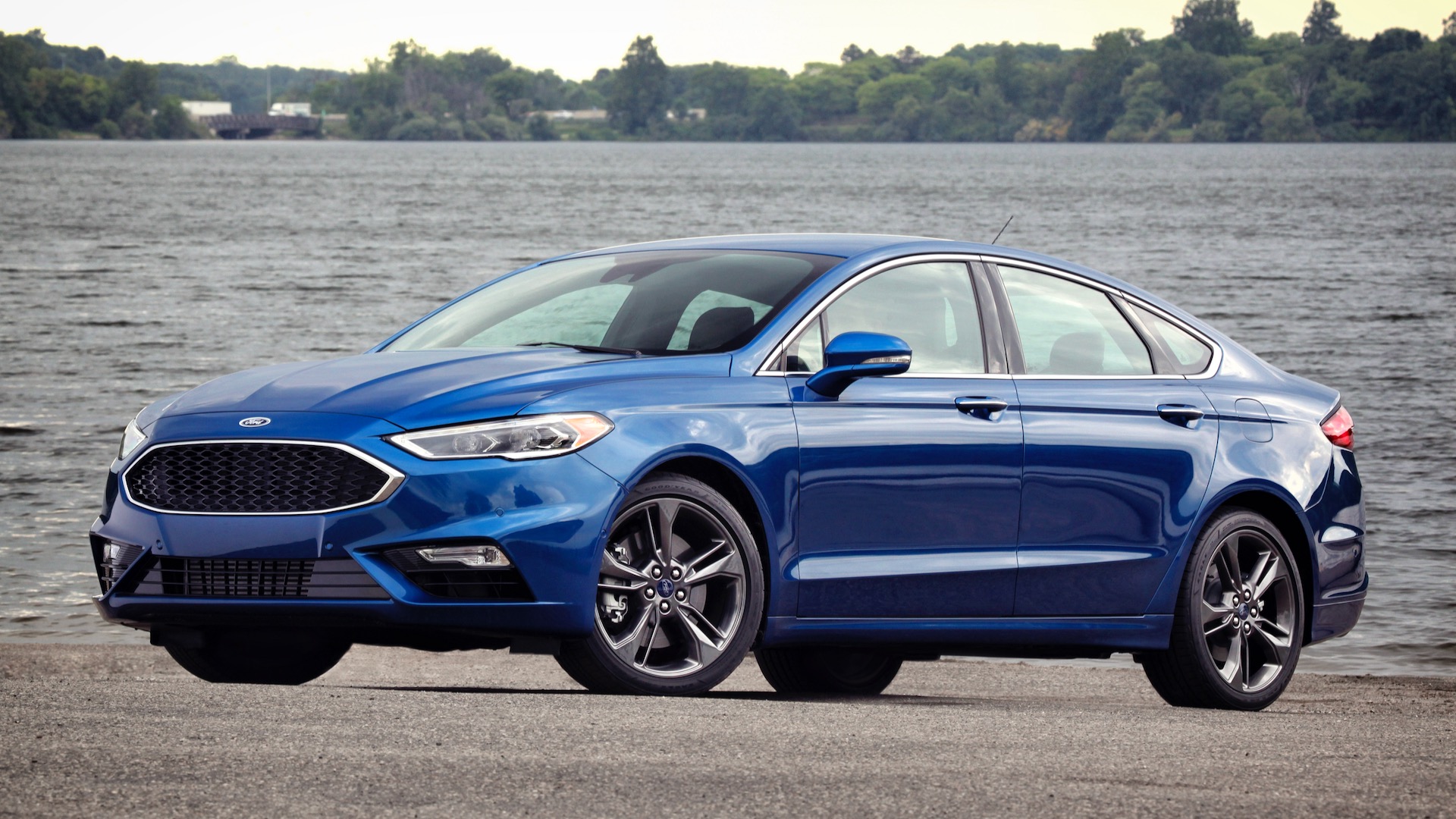
Ford's passenger-car boss confirmed the automaker made the right decision abandoning sedans, but left the door open for their return in the future.
The company needed to kill sedans to fund development of higher-margin vehicles like the Bronco SUV and Maverick pickup truck. Those two models have become critical profit drivers for Ford. The sedan exit freed engineering resources and factory capacity that proved essential for ramping production on trucks and SUVs that customers actually want to buy right now.
Ford's sedan lineup, which once included the Fusion, Taurus, and Focus, generated lower margins than truck and utility vehicle alternatives. The shift reflects broader industry consolidation toward profitable segments. General Motors, Toyota, and Honda all reduced sedan portfolios over the past five years as consumers migrated to crossovers and trucks.
Yet the executive suggested sedans might make a comeback if market conditions shift. Electric vehicle platforms could change the equation. EVs often deliver better interior space and ride quality from lower-slung designs that sedan proportions naturally suit. If EV adoption accelerates and automakers need fresh product to compete, sedans become viable again. A Mustang sedan competitor or sporty EV sedan could differentiate Ford's lineup.
For now, Ford's strategy centers on maximizing truck and SUV volume. The F-150 Lightning electric truck and Mustang Mach-E SUV represent the company's EV bet. New Ranger and Bronco variants keep existing platforms relevant. Sedans simply don't fit this roadmap in the short term.
The calculus could change within three to five years as EV technology matures and battery costs drop. By then, Ford may have the capital to resurrect sedan development. A return wouldn't mean a Fusion successor necessarily. Instead, expect performance-oriented electric sedans or niche products designed to compete with Tesla's Model S and