# Best Electric Bikes at Every Price Point
E-bike buyers now have far more options than ever before, spanning multiple price tiers and use cases. The market has matured significantly, with established brands competing alongside new entrants to capture increasingly savvy consumers.
The electric bike category splits cleanly by intended use and budget. Budget models start under $1,000 and serve commuters seeking basic motor assistance and reliable components. Mid-range e-bikes, typically $1,500 to $3,500, deliver better drivetrains, suspension, and battery capacity for serious recreational riders and urban enthusiasts. Premium models exceed $4,000 and prioritize cutting-edge motors, integrated electronics, and lightweight frames for performance-focused buyers.
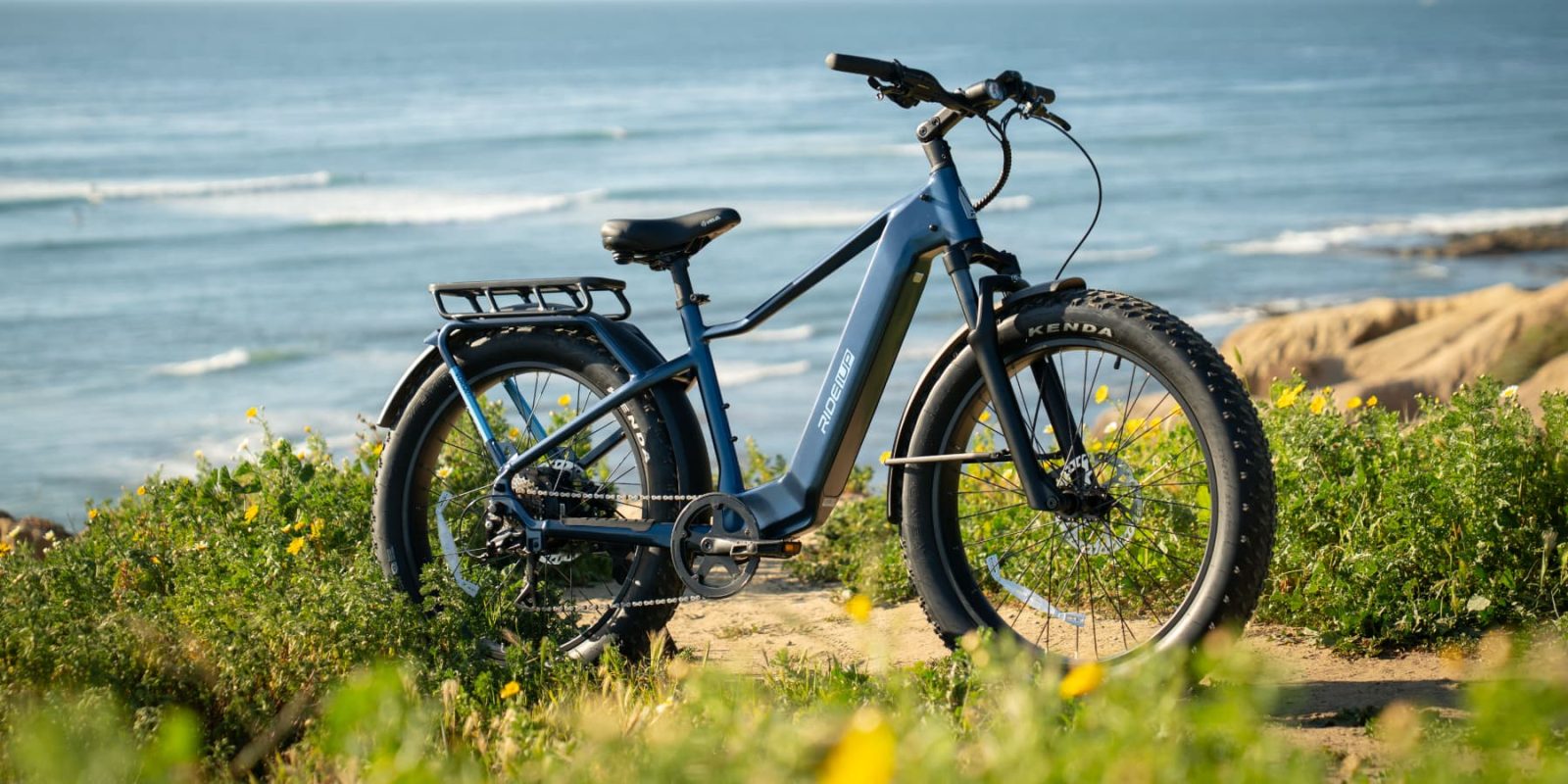
The Ride1Up Vorsa fat tire bike sits among the standout performers in this expanding market. Fat-tire e-bikes have gained traction with consumers wanting stability and all-terrain capability. These models work well for sand, snow, and loose gravel surfaces where conventional tires struggle. The fat-tire segment commands higher prices but delivers genuine utility beyond typical asphalt commuting.
Motor power determines real-world performance more than most specs. Mid-drive systems, mounted at the pedal crank, deliver natural power delivery and efficient hill climbing. Hub motors, integrated into wheel hubs, simplify maintenance and cost less to implement. Both approaches find advocates depending on riding style and terrain.
Battery capacity remains the central concern for e-bike buyers. Larger capacity translates to longer range but adds weight and cost. Modern 500Wh to 750Wh batteries handle most urban commutes and recreational rides on single charges. Buyers frequently underestimate daily mileage requirements, leading to range anxiety after purchase.
Hands-on testing reveals that real-world performance diverges sharply from spec sheets. Build quality, component dur